I end week three with brain and belly full. So much to learn and eat and so little time. Our sessions in the kitchen this term are intense with multiple techniques to master and deliver within ever shortening service windows. In the classroom, new techniques and ideas abound. We end the day at capacity only to come home to prepare for the following day: creating time plans, watching skills videos and revising theory. I couldn’t love it more; I just wish it would all slow down so I could keep up with the pace and revel in my enjoyment.
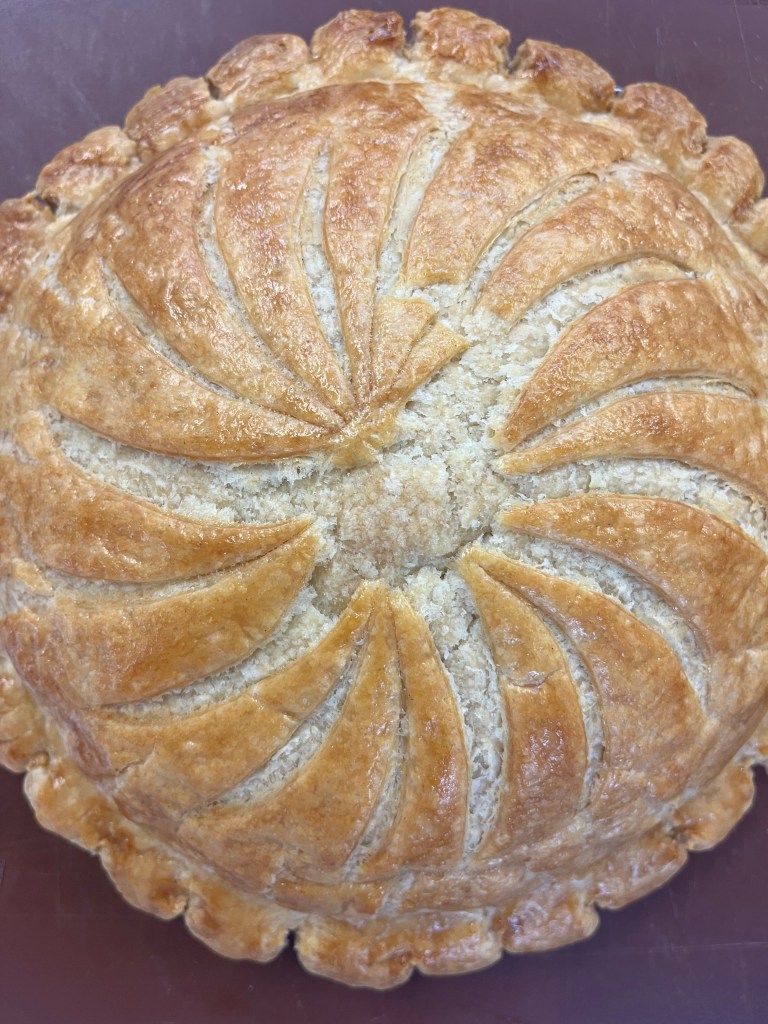
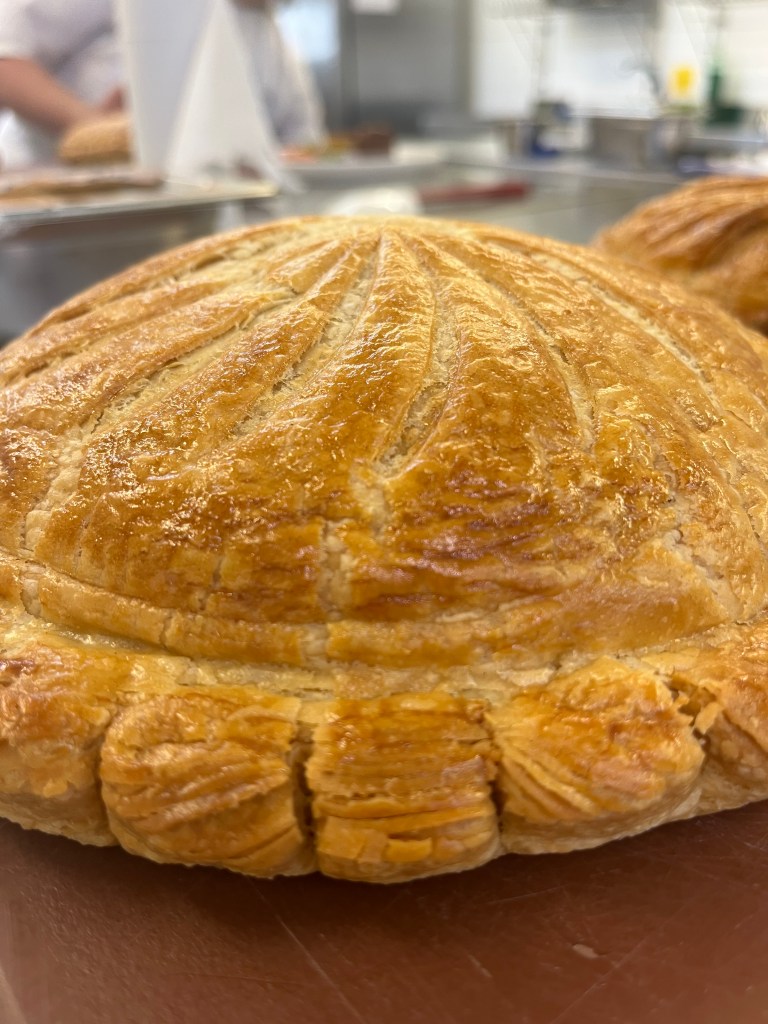
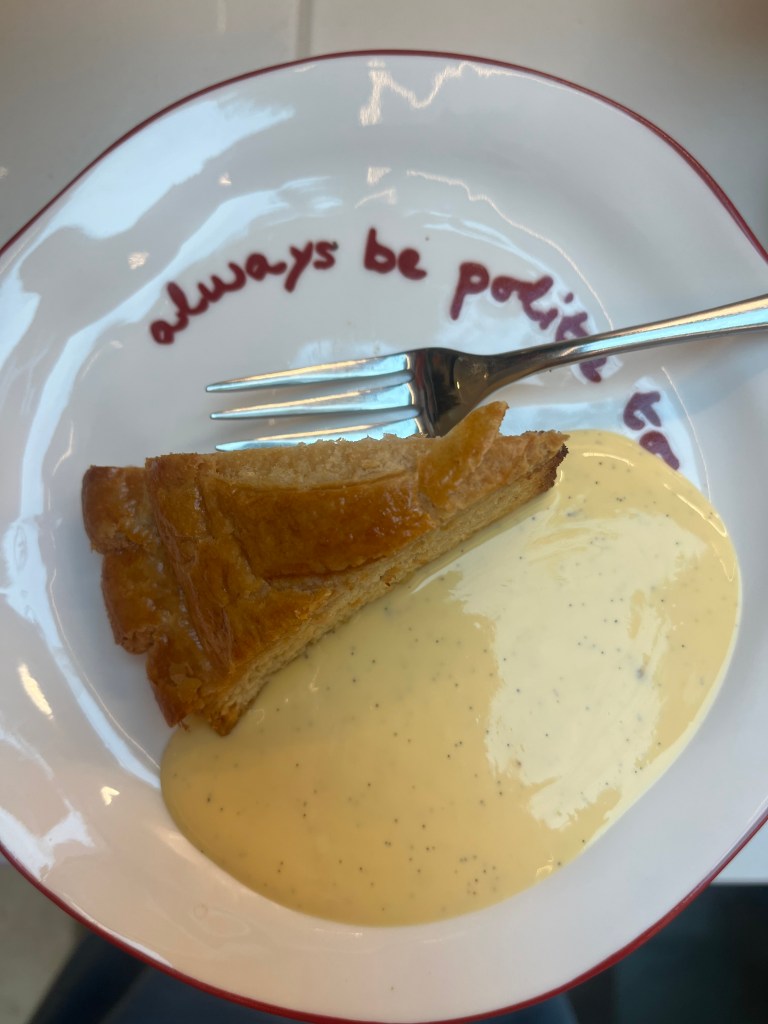
Following a busy Bank holiday weekend, I was grateful for mise en place kitchen sessions on Tuesday and Wednesday. Both of which were building up to what was to be an epic cook on Thursday. But before that, the calm precision and efficiency of making puff pastry, a frangipane ‘puck’ and creme anglais. (You know you’ve been at culinary school too long when your 8 year old daughter calls custard ‘creme anglais’ and comments on its quality.) On Wednesday, we continued with the puff and frangipane, assembling them into a beautifully scored and scalloped gateaux pithivier. Next we carefully mandolined potatoes before coating them in thyme-infused butter and layering them tightly in a loaf tin. After baking, we topped the tin with weights to ensure a perfectly pressed terrine. We also began a Malbec and bone marrow jus. Browning the meat trim and veg to achieve the right level of caramelisation for maximum flavour; then monitoring the bubble in the pan to ensure enough movement so it’s not stagnant but not so much that you risk a cloudy result. Painstaking skimming of fat and impurities is also essential for the three c’s of a jus: clarity, concentration and consistency.
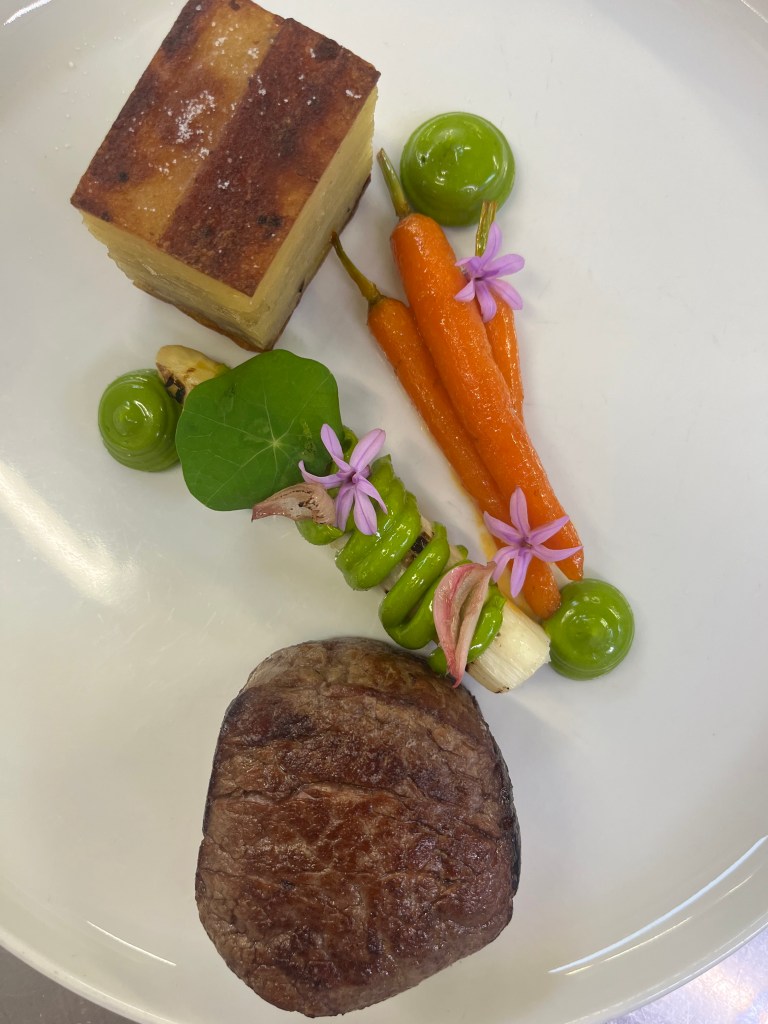
This dedication was all worth it the following day when Ryan (Leith’s master of jus) concluded I had ‘nailed it’. I couldn’t have been more delighted. The feedback followed an incredibly intense kitchen session. We kept being told it was all revision of skills but, more accurately, it was simultaneous revision of about ten skills with even more elements to perfect and plate than last week’s celeriac dish. A beef fillet, cooked anywhere between medium and rare. The catch: we had to serve it whole and state how we had cooked it in advance of the teacher cutting into it. Potato terrine, sectioned into appropriate size portions and pan-fried for caramelisation top and bottom. There’s not much you can do about the seasoning of a terrine once assembled so that was another element we were serving somewhat blind (I hedged my bets with an extra sprinkling of the salt on top). A wild garlic emulsion – the wild garlic oil made first in the Thermomix and then drizzled slowly into the egg yolks in a magi mix before tasting and adjusting the seasoning. Baby vegetables in the form of carrots and white asparagus. Both required refined preparation and presentation and absolutely no over-cooking. Tender but still al dente was the aim. The carrots were sautéed in butter and then blanched in a carrot juice which was then reduced to a viscose shiny glaze. The asparagus, blanched and then chargrilled for service. Shallots, petals separated and doused in pickling liquor before blow-torching. And finally some micro herbs and flowers for attractive plating. All this whilst being reminded to keep on top of the mountains of washing up and the countdown to service time. I was really proud of my plating and feedback, but absolutely shattered!
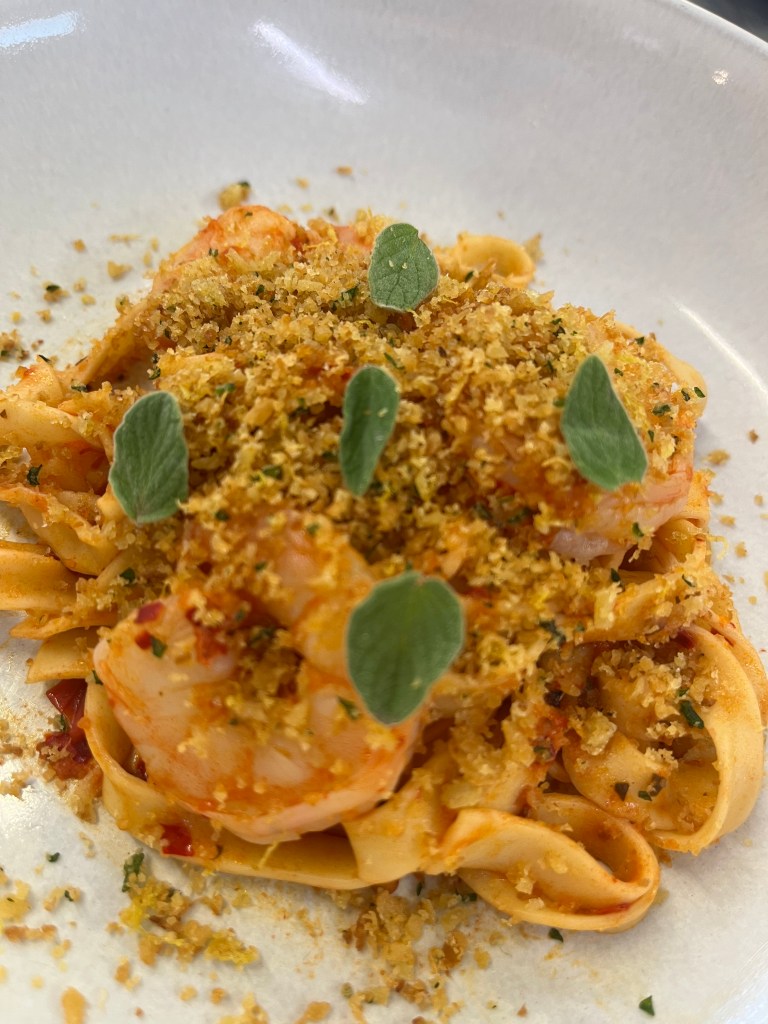
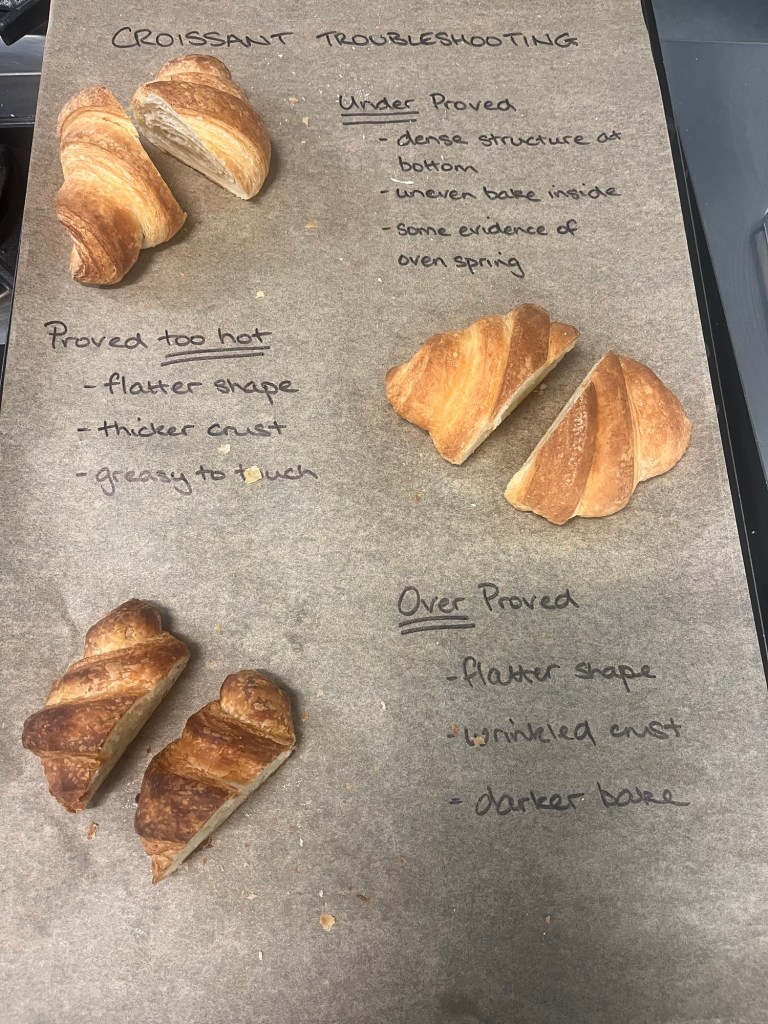
That afternoon we were taught how to make croissants and kouign amann. Having only had 15 minutes for lunch when I woofed half the beef fillet dish, I found all the precise learning points a little overwhelming. Thankfully Caz always keeps things lively and entertaining including a hands-on go at rolling the croissant dough and finishing with tasters fresh from the oven. That evening I could have easily crashed out on the sofa but the following day was ‘creative pasta challenge’ so instead I revised pasta dough making, cutting and shaping and searched for pasta recipe inspiration. It is rare that we are given free rein in the kitchen so we were all a little nervous ahead of the session. In the end it turned out to be great fun and we were all clamouring for more similar opportunities. As we entered the kitchen, we were greeted with one of two trays containing four ingredients. My tray comprised ndjua, raw prawns, vine tomatoes and half a fennel. The other had peas, broad beans, ricotta and half a courgette. There was also a selection of larder ingredients and basics in the fridge. We had ten minutes to do some planning and then 90 minutes to cook, plate and serve. I made a nduja tomato sauce with prawns and oregano and a crumb from sourdough, garlic, lemon zest and oregano. A great end to the week and a delicious lunch for one.
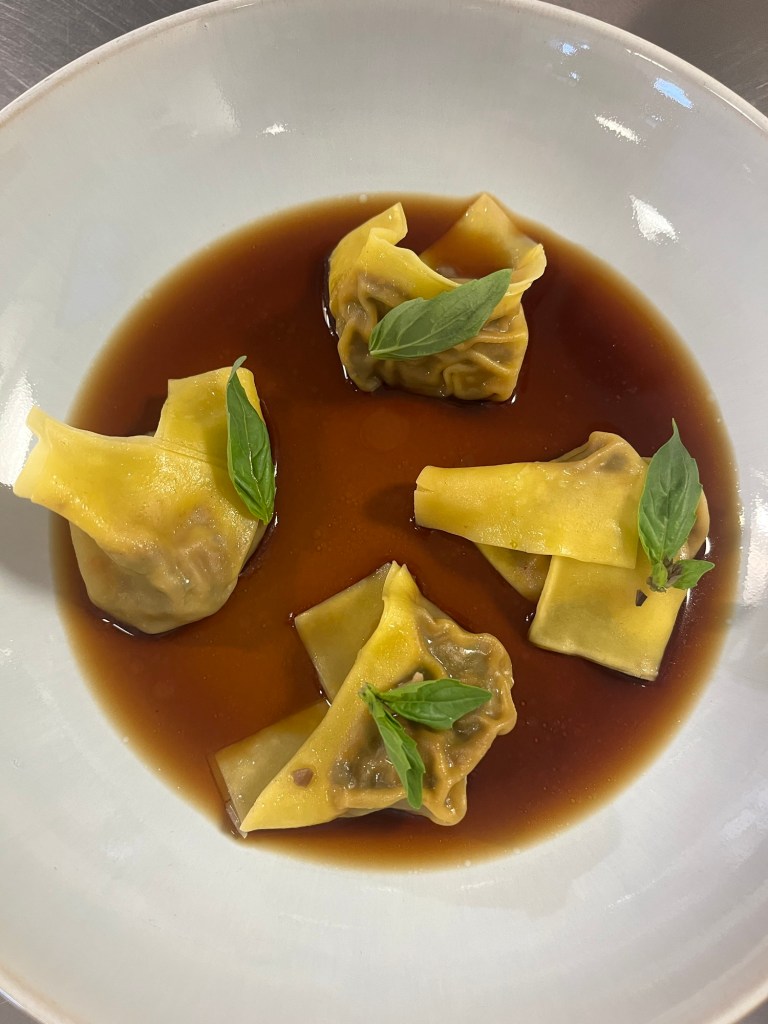
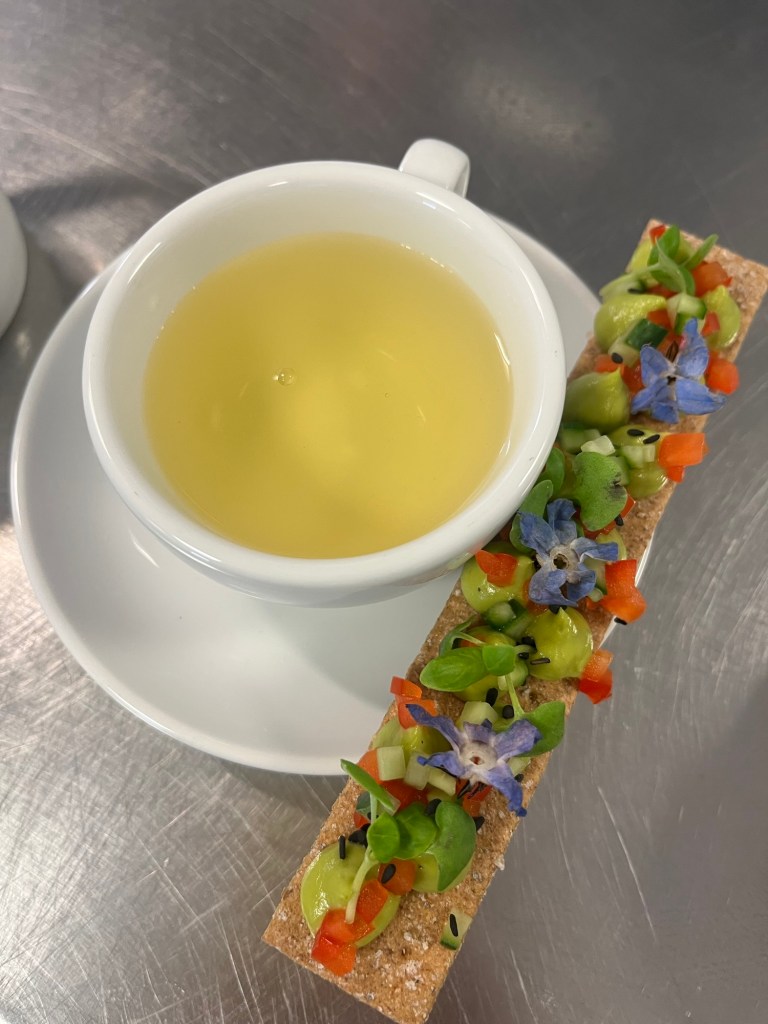
In addition to the yeasted layered pastries dem, we were also taught about making consommé. It is fascinating. Another one of those processes that you can’t fathom how someone came up with the idea. It involves creating a ‘raft’ of egg whites and shells with which to ‘clear’ a cloudy broth of its impurities to reveal a crystal clear highly flavoured liquid which you can show off in an appropriate bowl or cup and magnify and define ingredients suspended within it e.g. herbs, enoki, wontons etc. Absolutely stunning, but quite the faff!
We also had two excellent guest speakers this week: cheese expert, Tom Badcock and Natalia Middleton, Leith’s alumnus and now Head of Food Education at Food Behind Bars (FBB). Tom was absolutely fascinating, not just on cheese and how it is made but also its history. Thoroughly entertaining and some rather delicious cheeses to sample including a couple he made before our eyes. Food Behind Bars is a charity dedicated to transforming the food served in British prisons. Natalia provided us with an eye-opening insight into prison food. It is truly shocking that the budget per person in prison for all three meals in a day is just £3.12. It is mostly processed stodgy carbs being served at slightly odd times of day. Dinner is at around 4.30pm, at which the breakfast box for the following day is also dispatched. With such an early dinner time, many eat the breakfast box later that evening and then have to wait until 11/11.30 the following day for their next (stodgy carb) meal. FBB believe that nutritious and delicious food can make a difference in the knowledge, skills and wellbeing of prisoners and equip them to achieve a good quality of life on the outside together with easing some of the chronic issues on the inside.
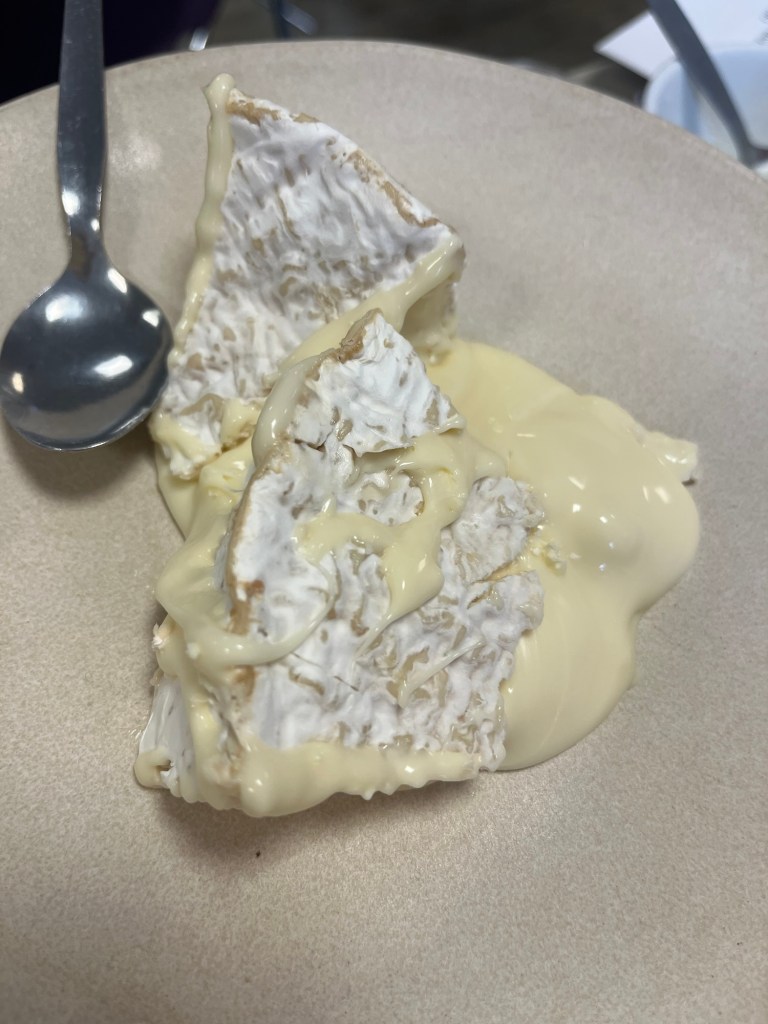
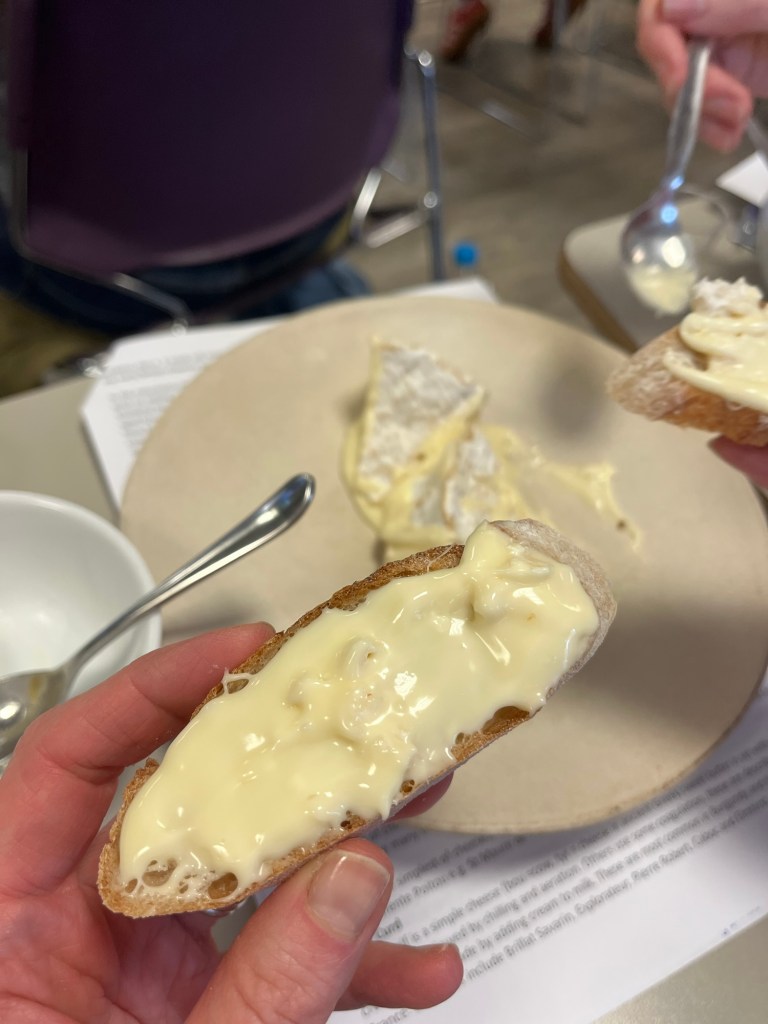
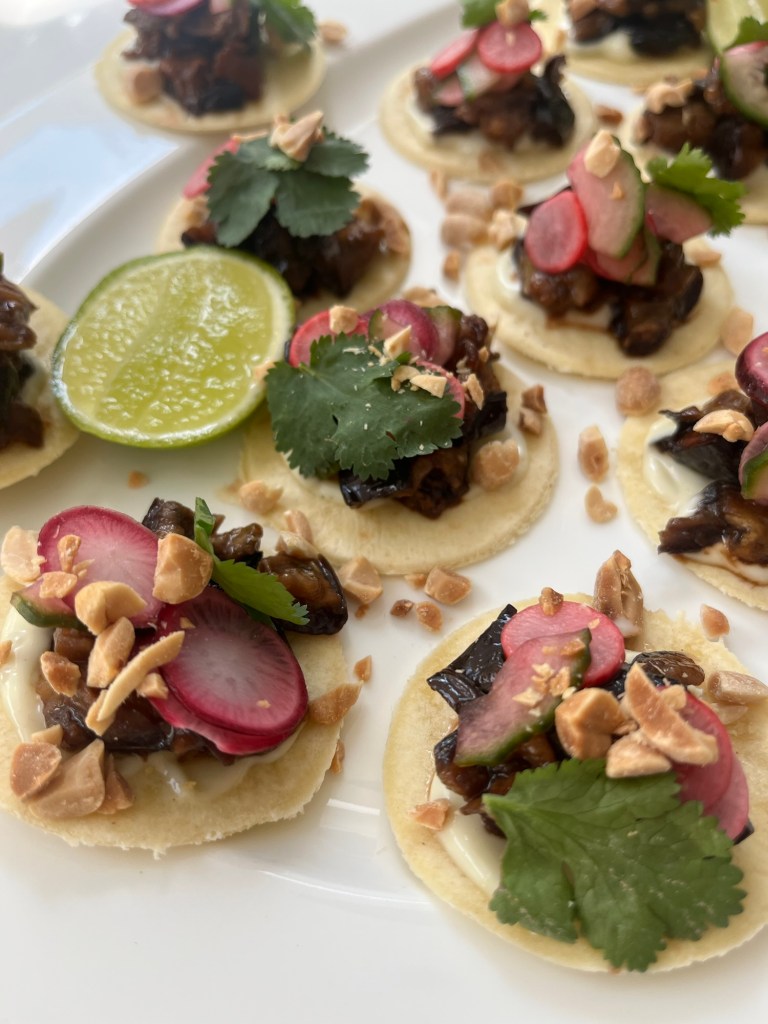
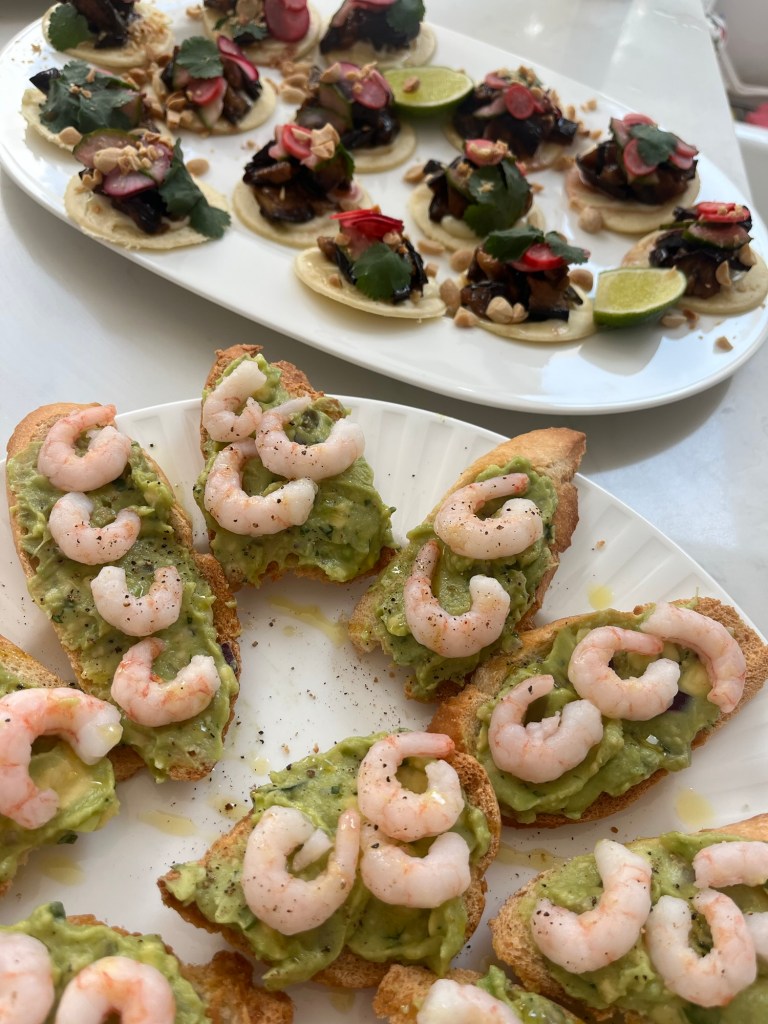
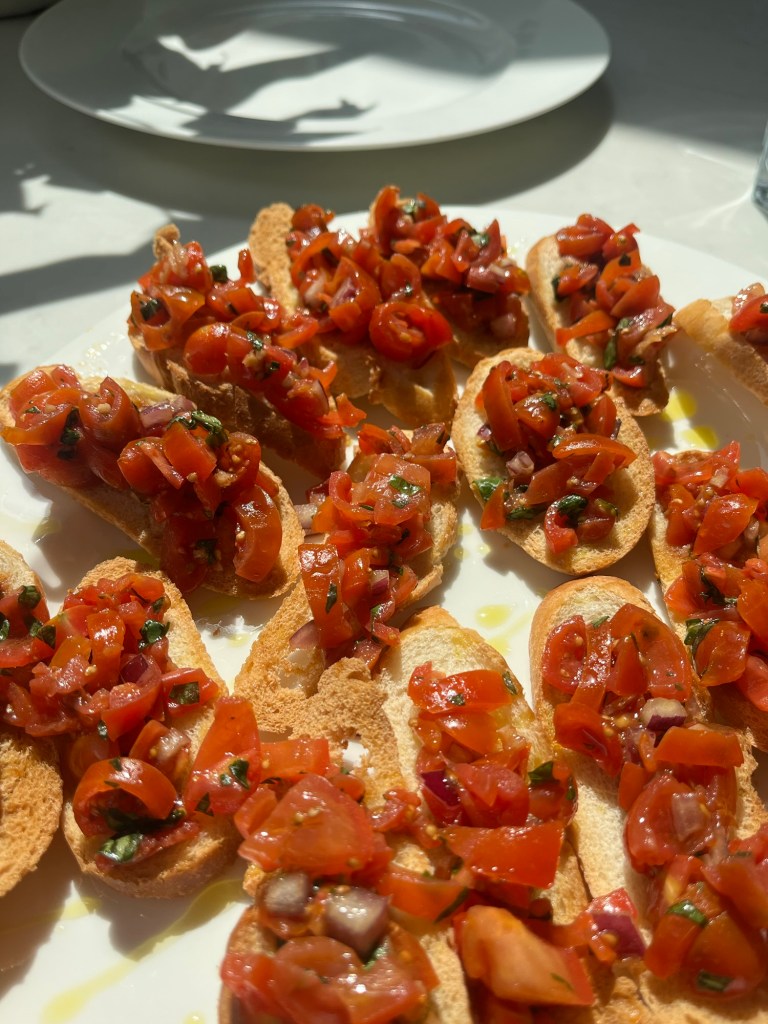
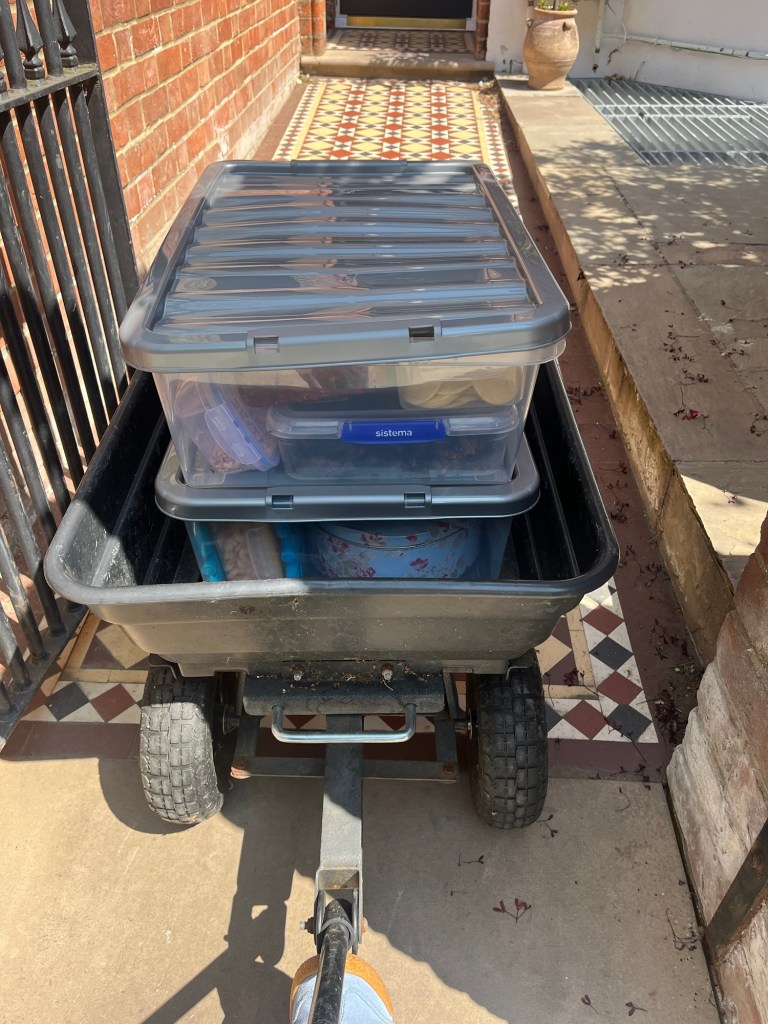
Another truly varied week of eating, cooking and learning 🙂 And straight into a weekend of cooking canapés for a new client. Great fun – including delivering the food by trolley!
 @Shelovescake
Leave a comment