@Shelovescake

Founder of Rosey's Village Table, Leith's Diploma Student, small-event catering, cakes, desserts and nibbles for every occasion, recipes and dinner party ideas

  • Just one more week until our final exams and a celebratory group cooking exercise on which to end. Plus one last skills practice session and an inspiring morning with the inimitable Jeremy Lee from Quo Vardis.

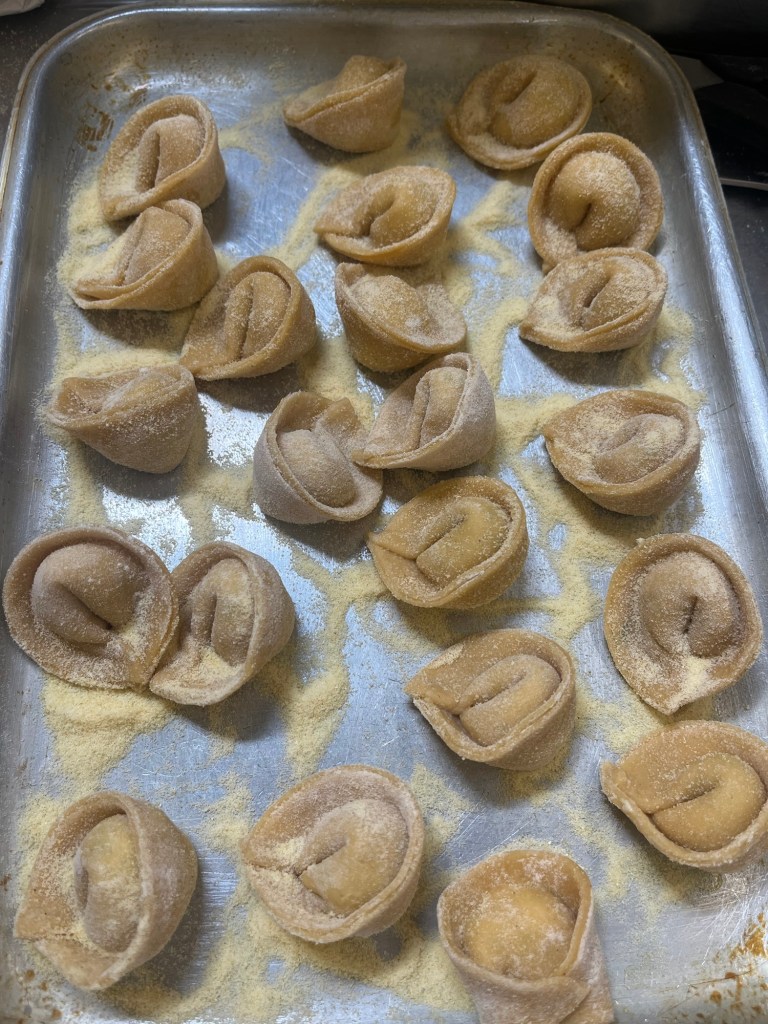
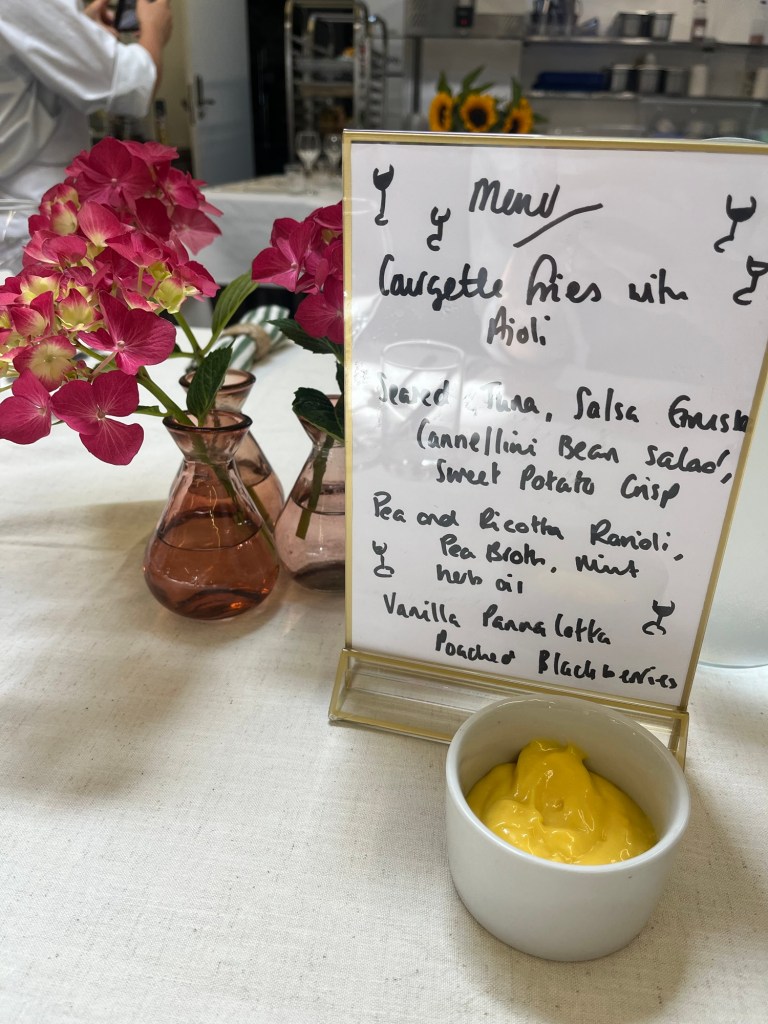
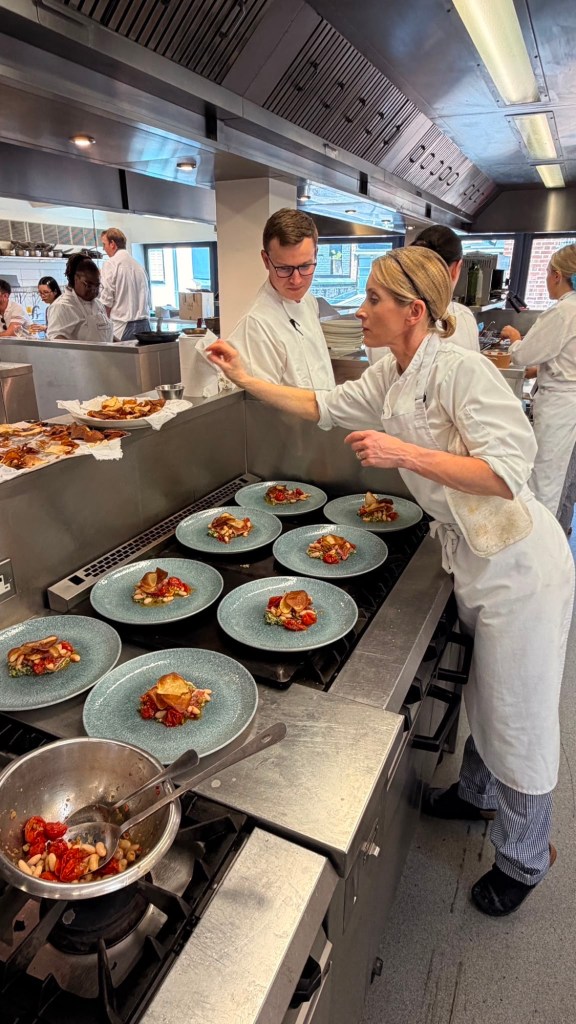
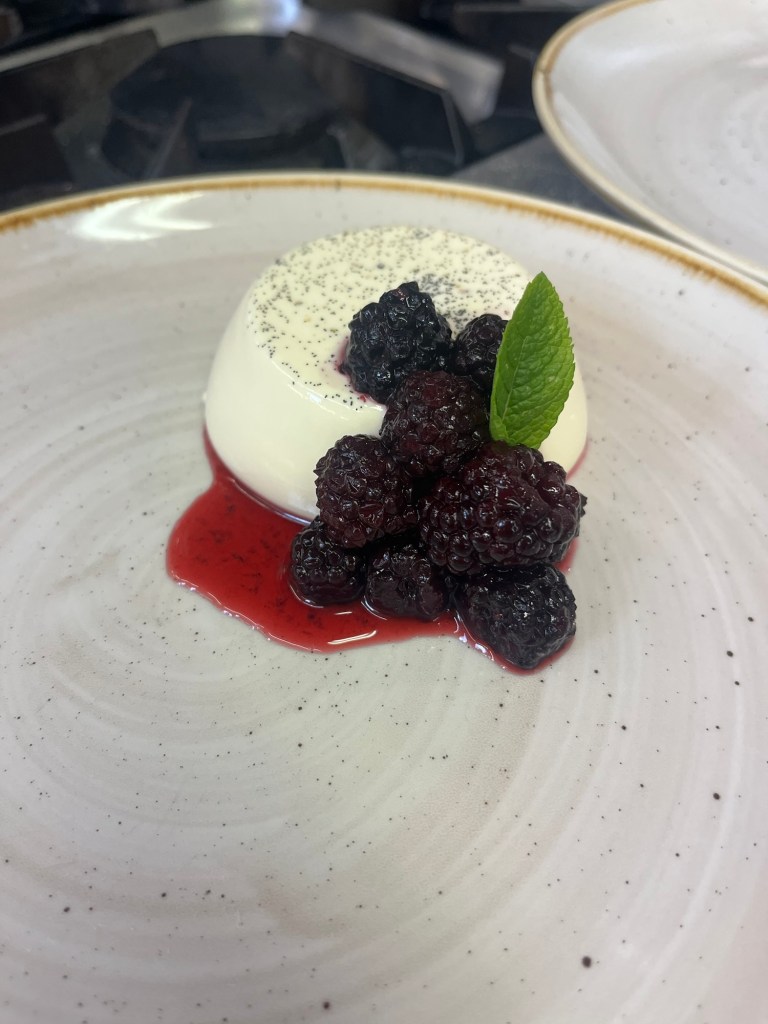
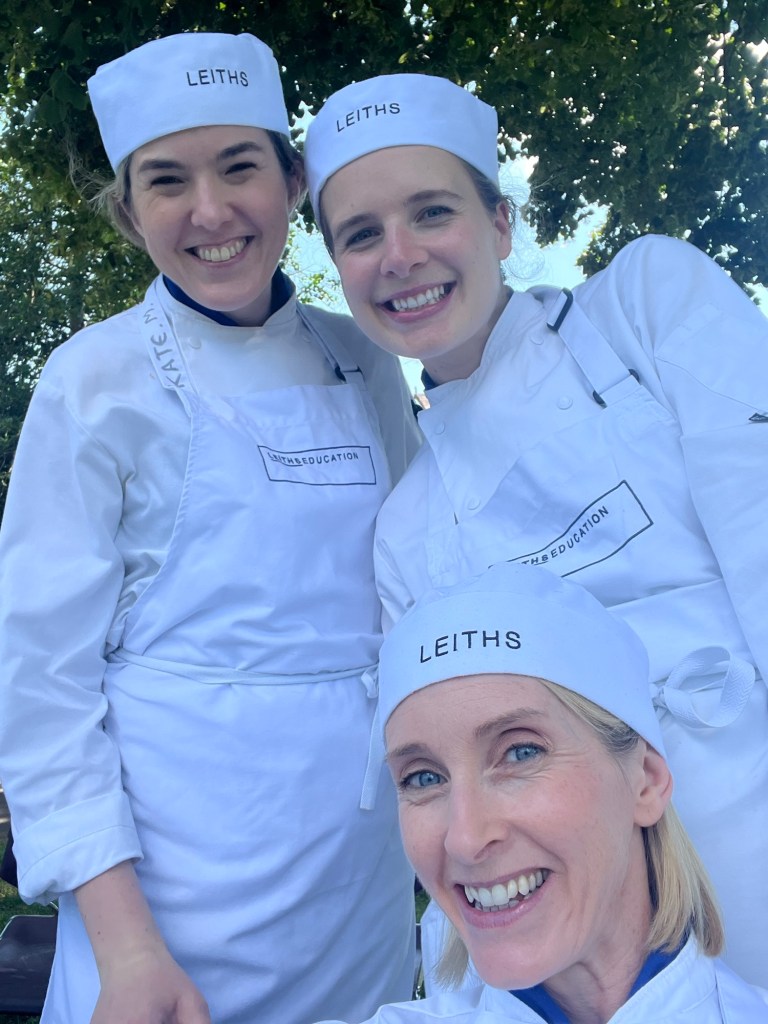
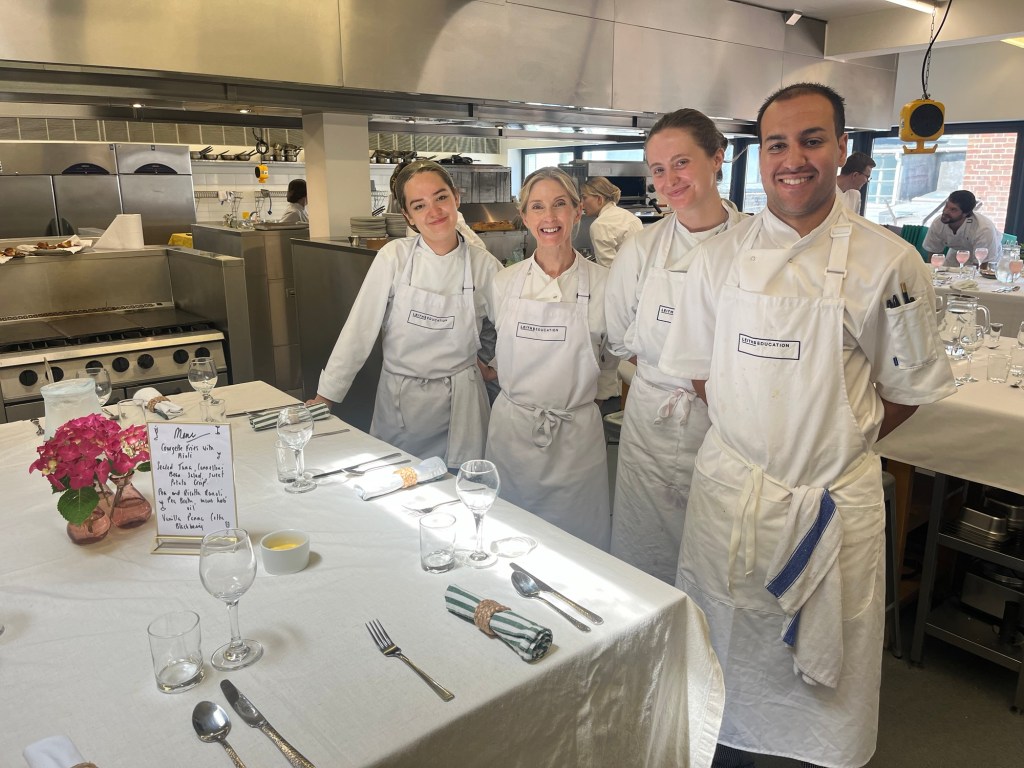
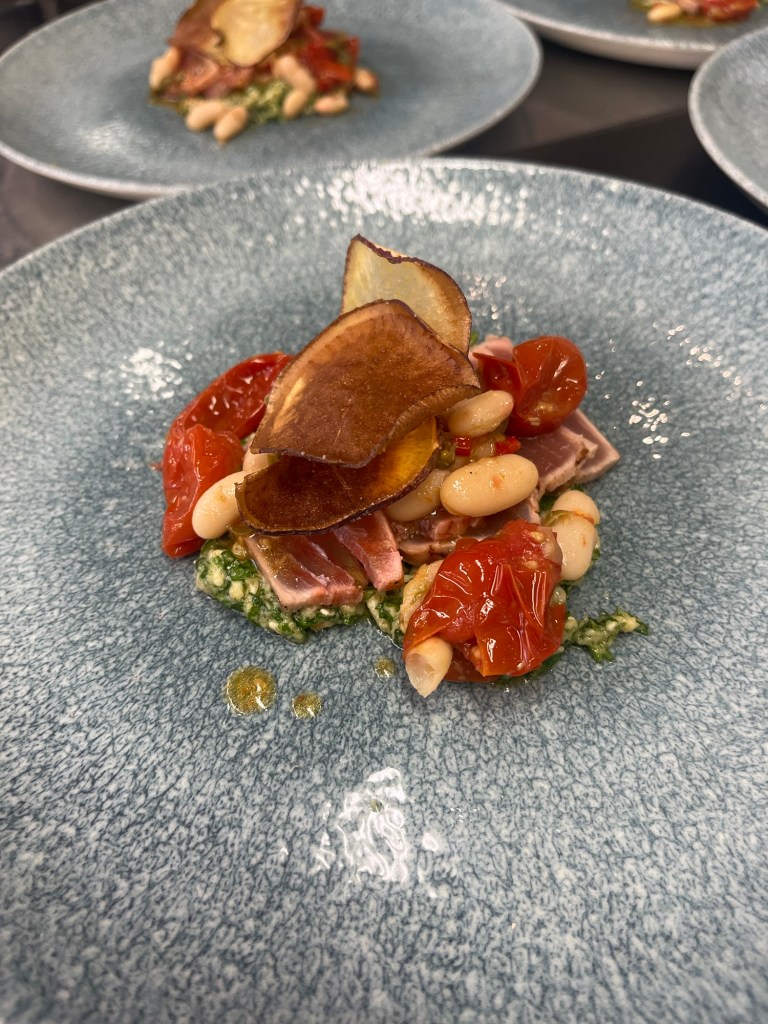
    The group cooking exercise was the perfect way to end our time at Leith’s. In groups, we designed our menu to a budget of £12.50 per head for a group of eight. Over three days, we prepped and served taking it in turns to be the lunch guests. My group channelled an Italian theme serving a antipasti of courgetti fritti with a punchy aioli; primo of seared tuna, salsa etrusca, cannellini bean and roasted tomato salsa and sweet potato crisps; secondi of pea, ricotta and lemon tortellini with a pea broth and mint oil; and dolci of vanilla panna cotta and poached blackberries and mint. Despite the extreme heat, it was such a thrill to see the kitchen buzzing with everyone cooking their own recipes and serving it proudly to their guests. We all brought in table cloths, napkins and flowers to transform the benches into fancy dining tables. And a few corks were popped to toast the end of an amazing year.
    The skills practice had an equally relaxed vibe. Now we were focused on refinement rather than mastering. I made choux buns with the aim of freezing and serving them (filled with smoked salmon mousse) at my upcoming supper club.

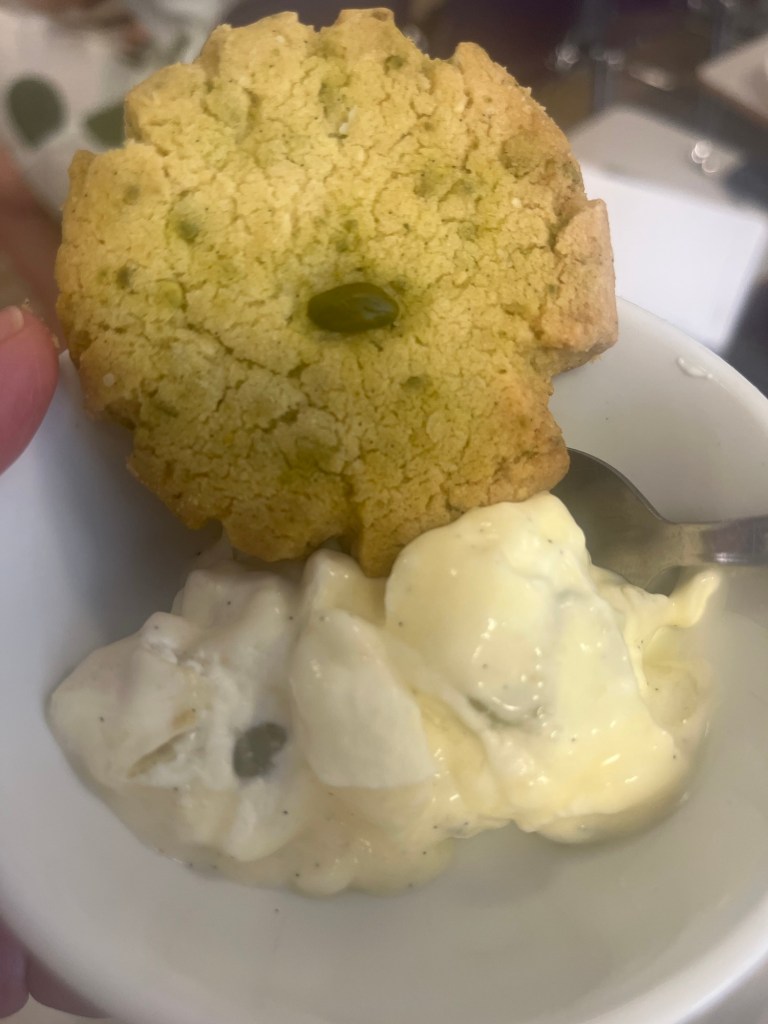
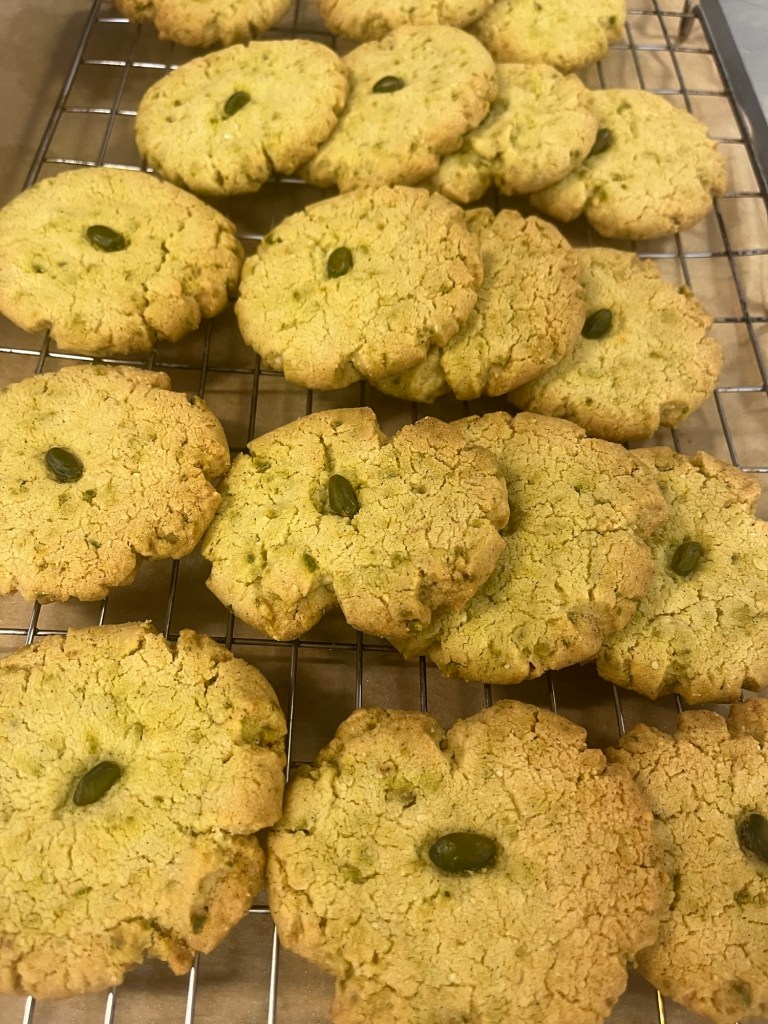
    Jeremy Lee was divine. Such an enjoyable and delicious morning in his company. We were treated to a salmagundi-style roast chicken salad; a thoroughly simple yet classic crab salad. And to finish, he prepared a gooseberry fool mixing the baked gooseberries not just with cream but also creme anglais – such delightful decadence! Alongside, and still warm from the oven, a pistachio biscuit bejewelled with a gleaming whole pistachio in the centre.
    I don’t know if it was the heat but I ended the week heady with such a huge sense of fulfilment and happiness. It reminded me of how I felt finishing my degree finals – somehow more grown-up (yes, at 46!) and confident. No time to luxuriate in that though with the theory exam to revise for and practical exam for which to practice.
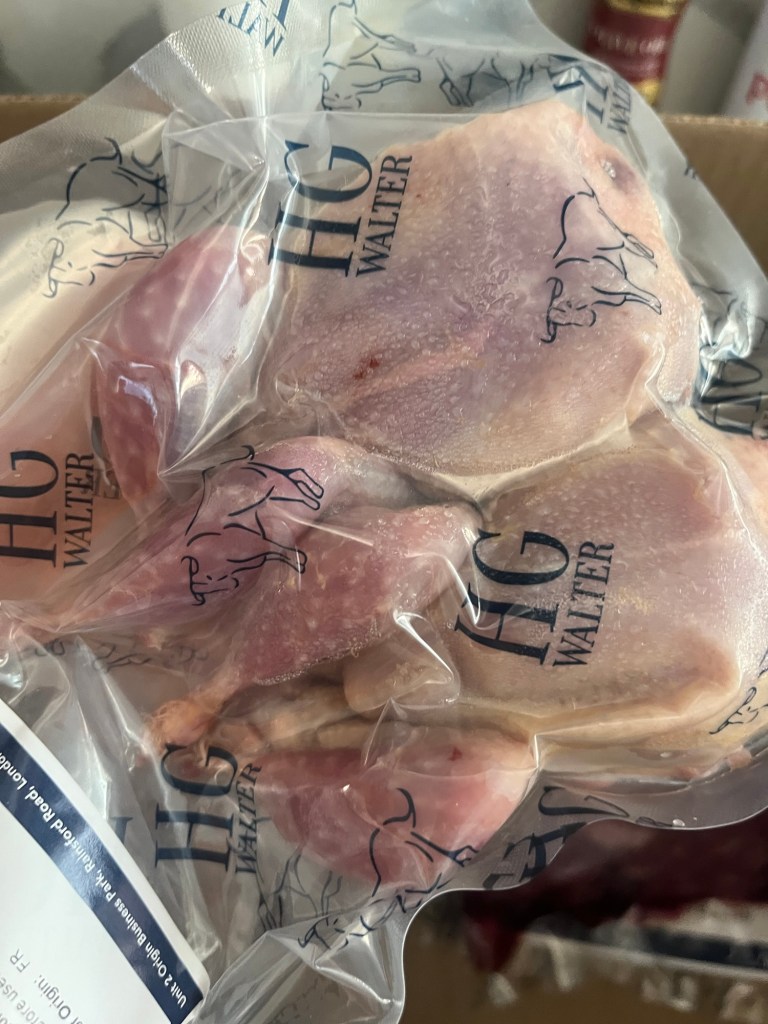
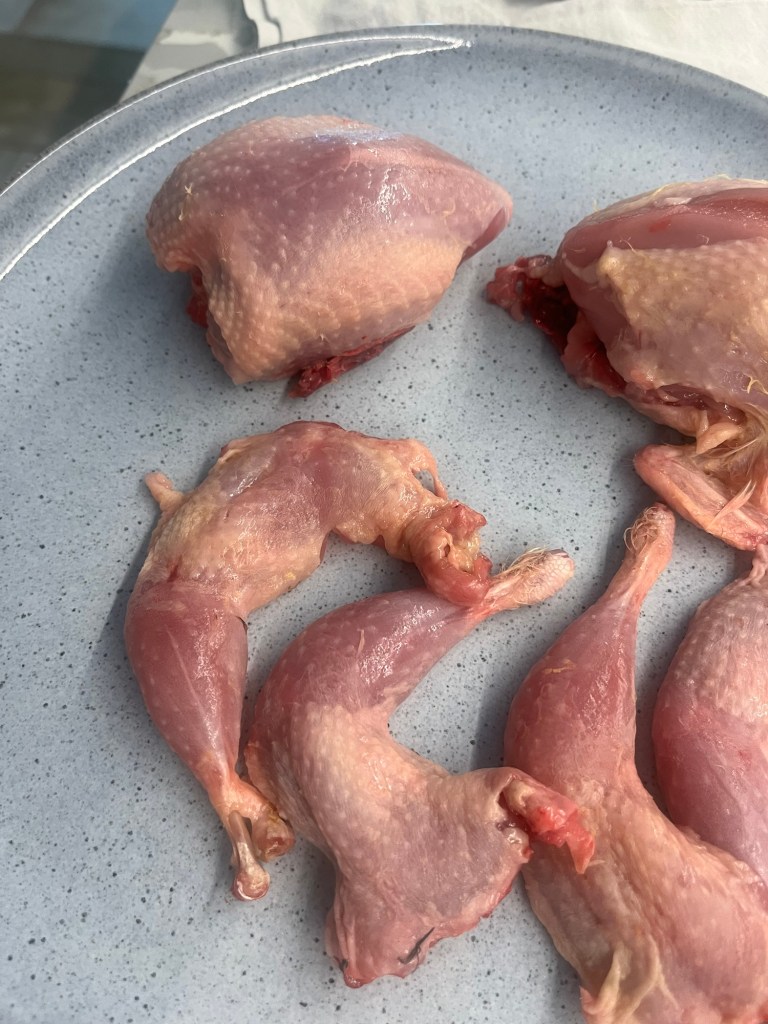
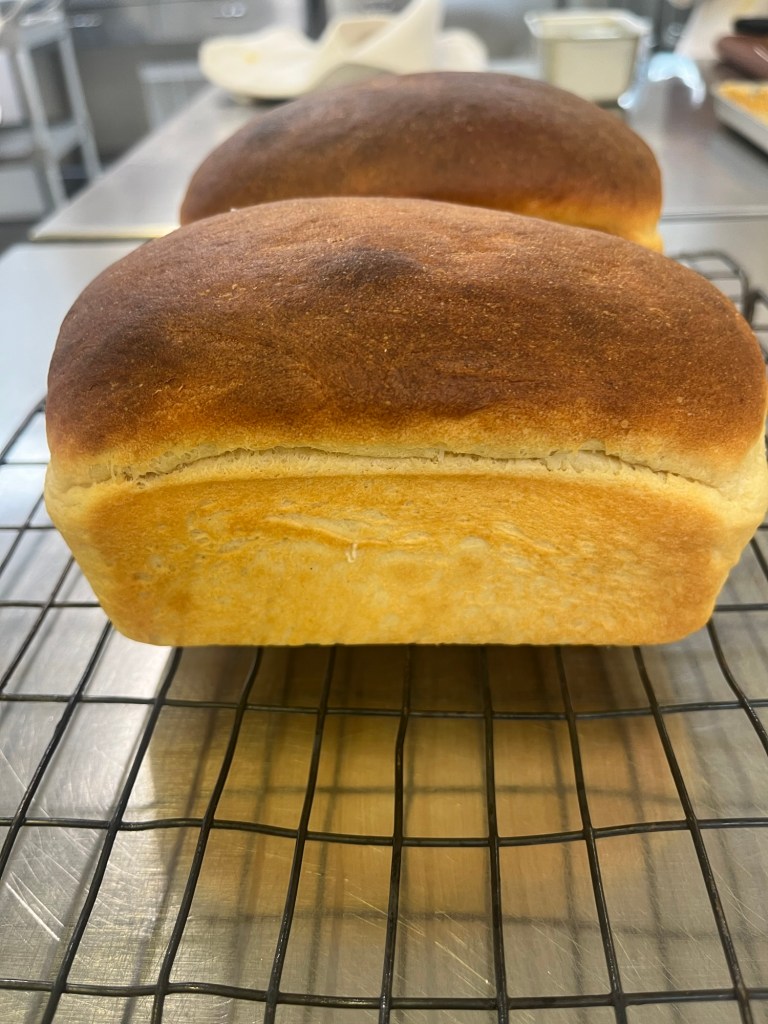
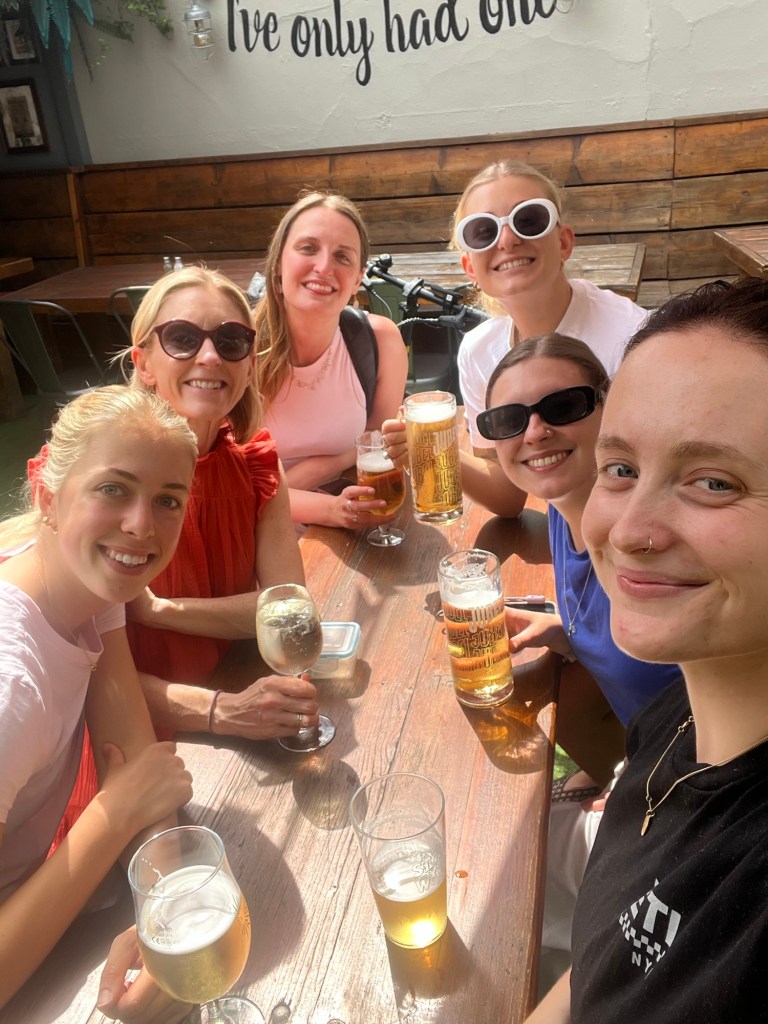
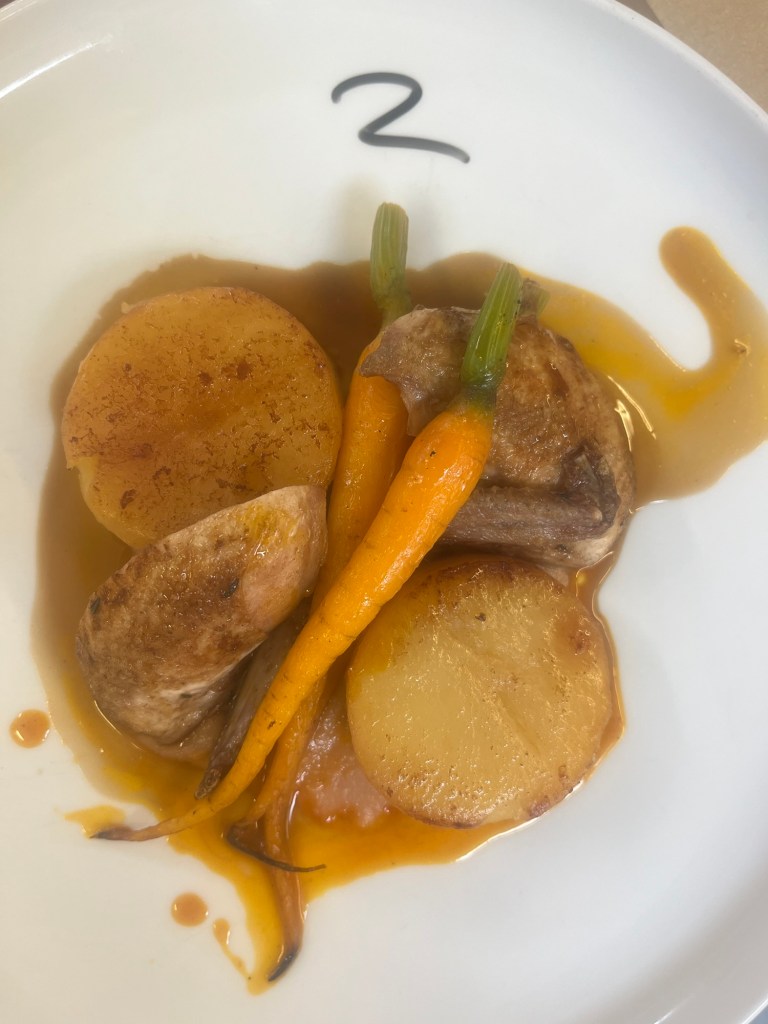
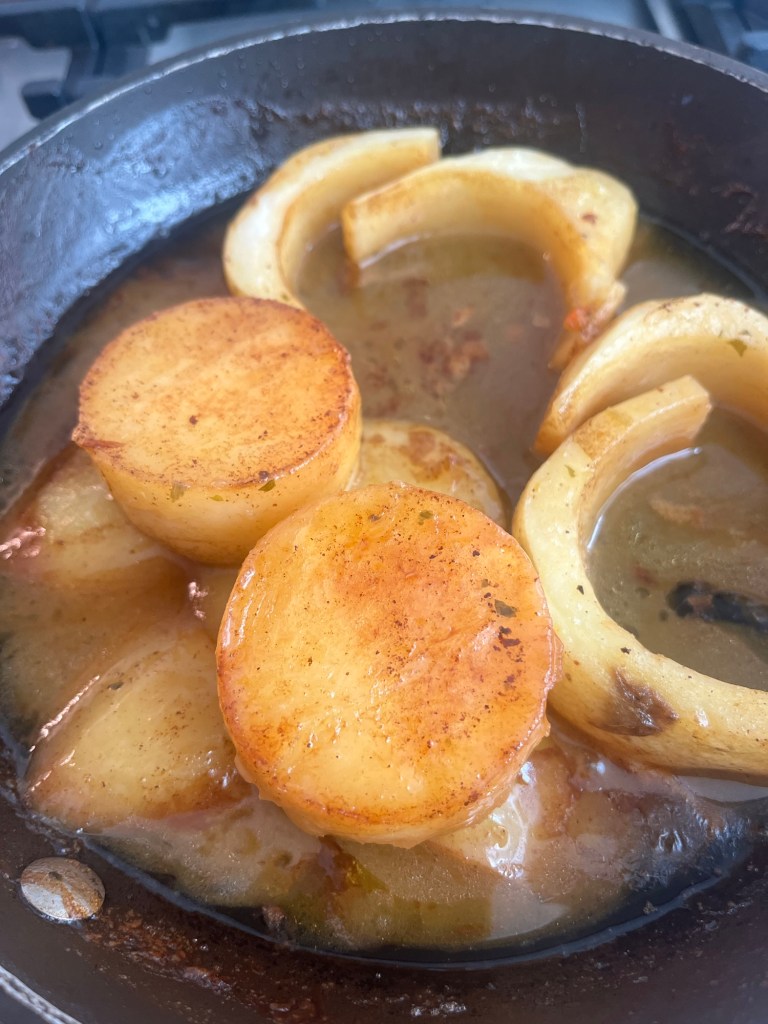
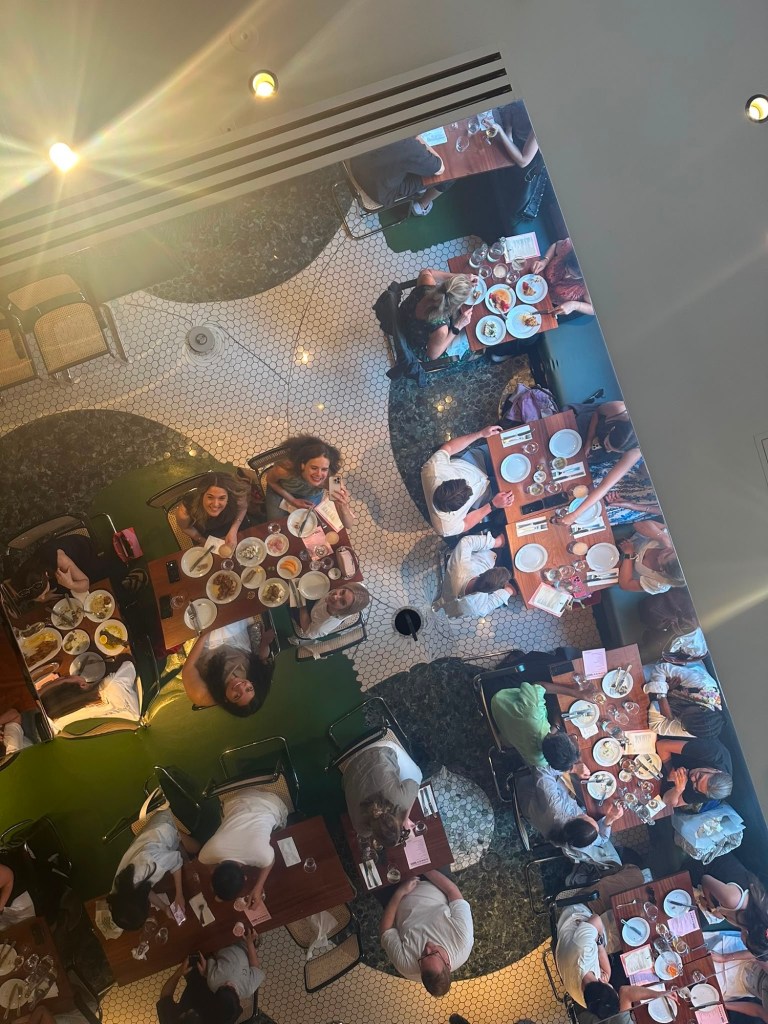
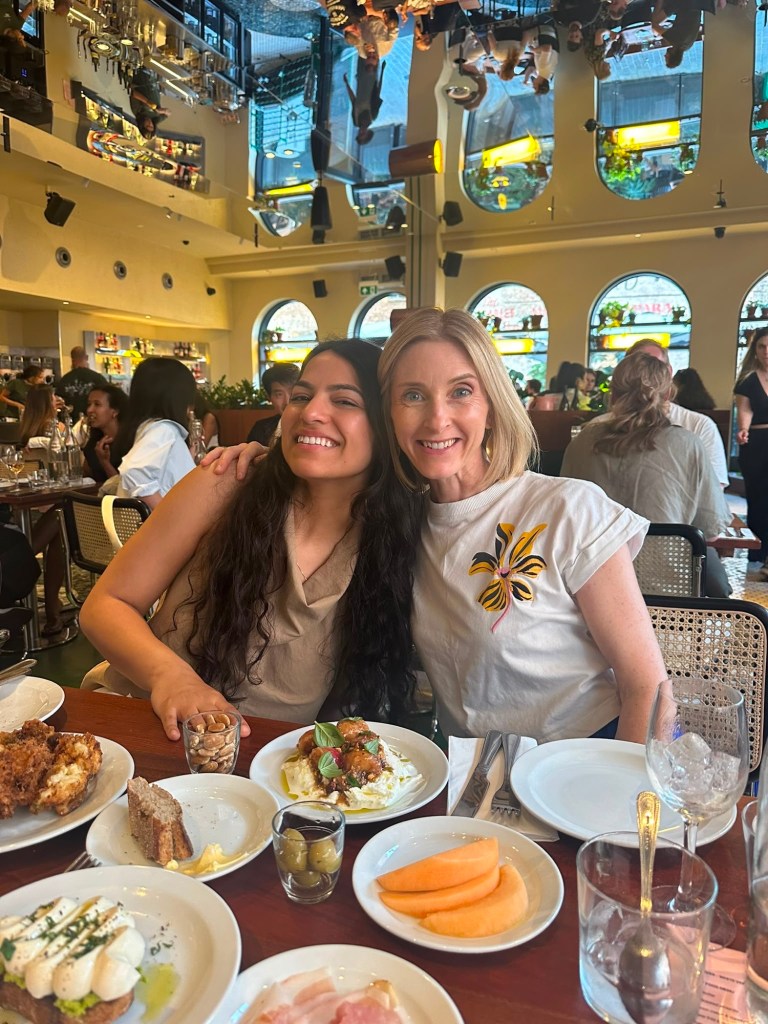
    The theory exam was as expected but the more I think about it in retrospect the more I worry about questions I got wrong. The practical exam was as intense and insane as the rumours suggest. An enormous amount to deliver in a tight window with no chance to even stop for a wee in 5 hours! Two identical plates of quail with a Madeira jus, fondant potatoes, glazed baby carrots and a shallot puree; two loaves of potato bread; and six caramelised white chocolate ganache sable sandwich biscuits. By the end, I was crying from the adrenaline, emotion and the realisation that this was the end of this incomparable journey. At least, I hoped it was; if I failed the practical I would be back the following day to do it all over again. With huge gratitude, I was informed I had passed. Cue more tears and many hugs from the teachers. After a very necessary toast in the pub, I returned home heavy with emotion, dirty uniform, equipment bag, and a lot of food. That evening was surreal – exhausted, elated, flat, celebratory, sad and happy all at once. Thank goodness I had dinner booked with my Leith’s besties the following evening for a full debrief and celebration of our enormous collective achievement and the making of friends for life.
    Thank you so much for reading this blog and joining me on this incredible journey. This will be the last update on the culinary diploma but that won’t be the last you hear from me…I promise!
  • Our last formal week of teaching and cooking from the curriculum. Starting the foundation term back in September feels like a lifetime ago and yet the course has gone by in a flash. I woke early on Saturday morning feeling reflective. What had I hoped to achieve from my nine months at Leith’s? My Leith’s journey actually started in February 2025. In the midst of grieving for my parents, I had lost confidence in myself and my ability to succeed at work. Whilst on a two week break, I took a solo trip to Penzance and began to form the idea of a new career starting with a selfish year doing something just for me. Where there would be no demands from unreasonable stakeholders and no requirement to be responsible for the motivation and morale of others. But instead, an opportunity to learn and grow; to delve deeper into my passion for food; and attempt to connect with my parents despite their now unending absence. On each of those terms it’s been a success. And so much more. I’ve made some wonderful friends. I’ve felt creative, inspired and energised for which I’ve experienced a deep sense of gratitude. I’ve set a path for a new life and career; and I’m excited (if slightly apprehensive) about what the future holds. And yet, as my mum herself once wrote ‘in the midst of joy, there is always sorrow’. Or more accurately, a bitter sweetness for me. There has barely been a day when emotion hasn’t caught the back of my throat following a poignant, or entirely mundane, association with one or both of them. But despite the sadness, I feel grateful that this has been a cathartic part of my grief journey; helping me to heal and come to terms with my loss.

    Enough of the soliloquy, I’m sure you’re keen to know what we cooked in our final week. Sadly I missed our last ever (for us and Leith’s) all day dem because my daughter was concussed following an incident at a football tournament. The focus of the dem was on curing, smoking and brining and I’m grateful that my friends ensured I didn’t miss out by sending me photo updates and descriptions.

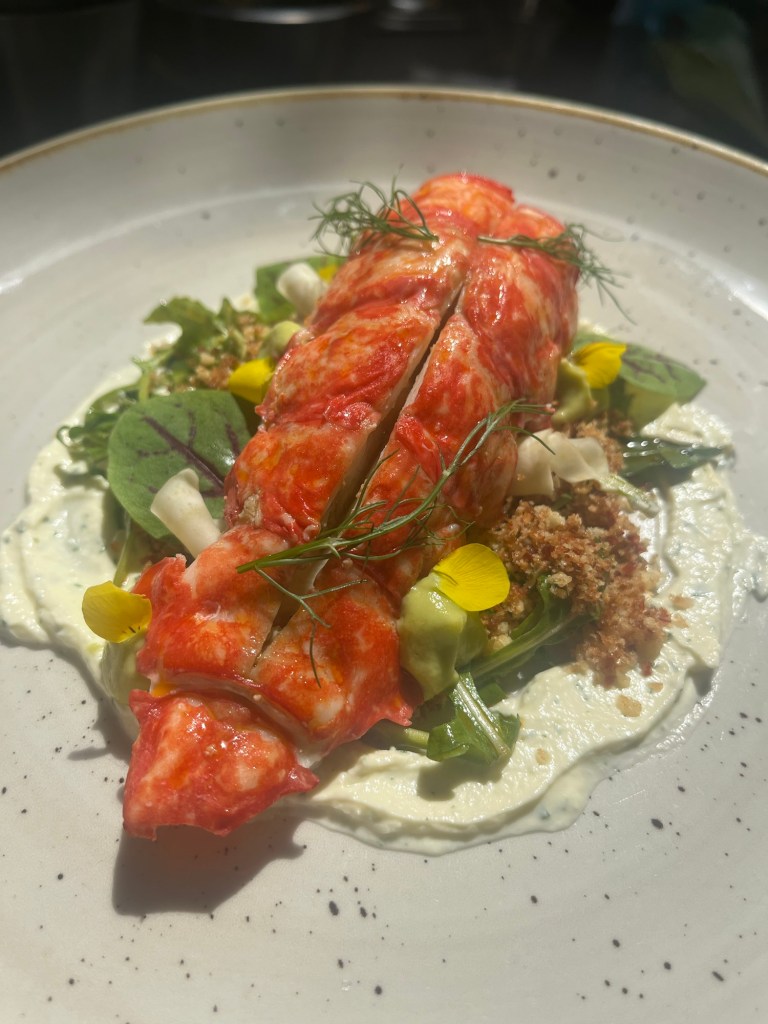
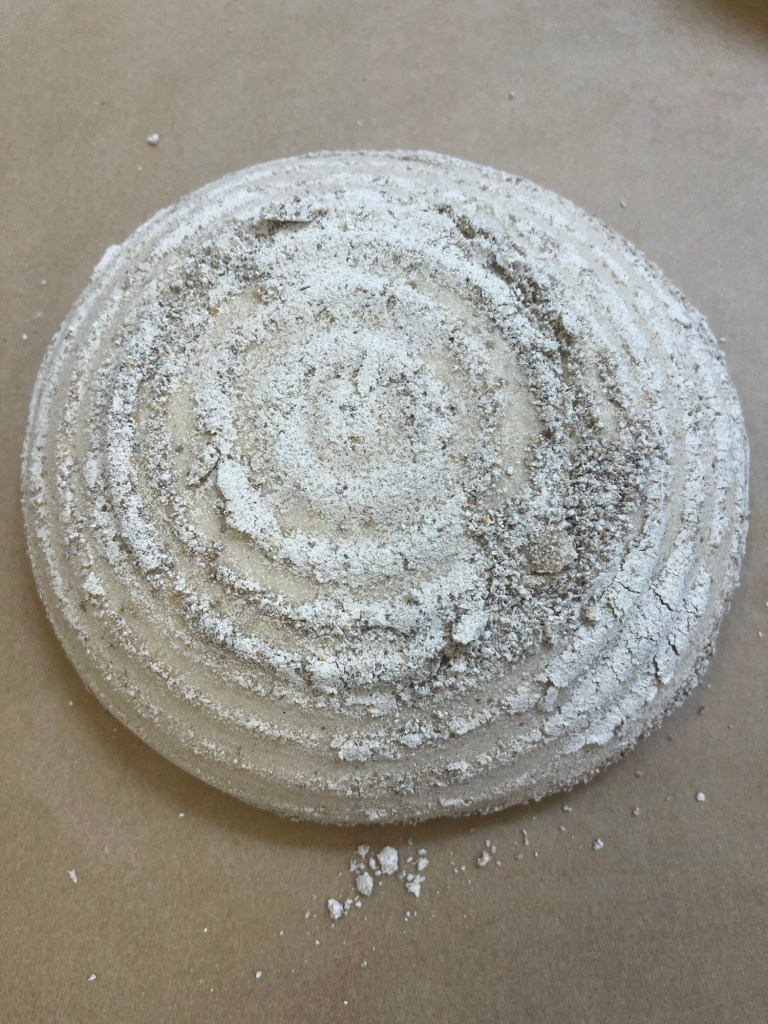
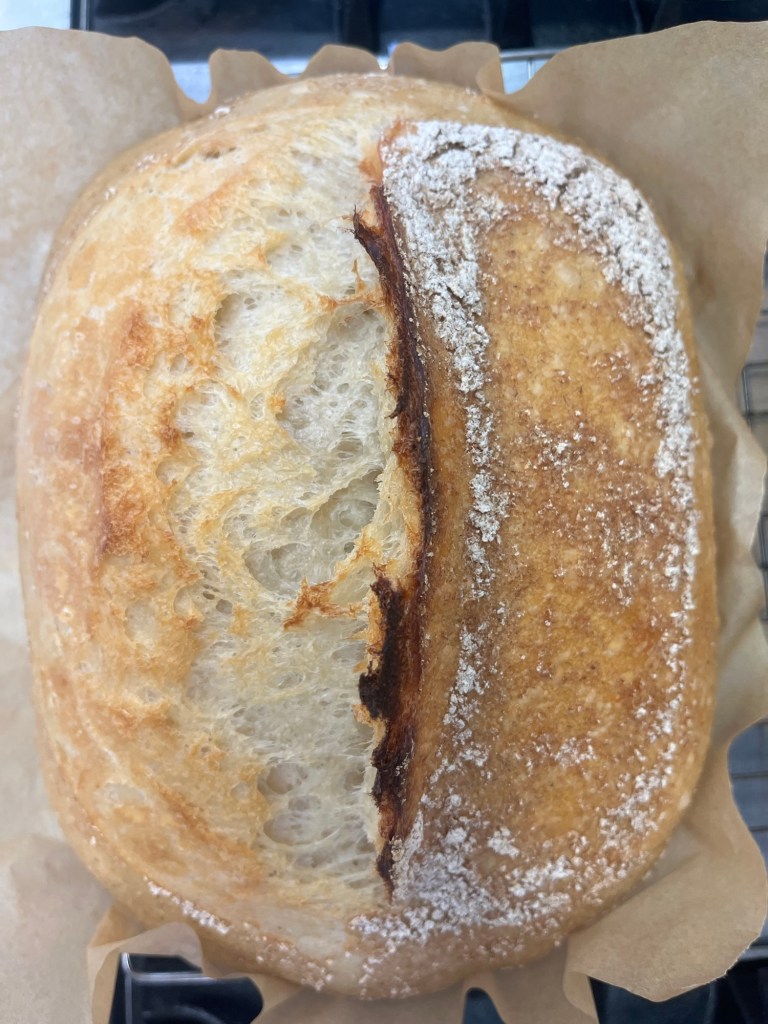
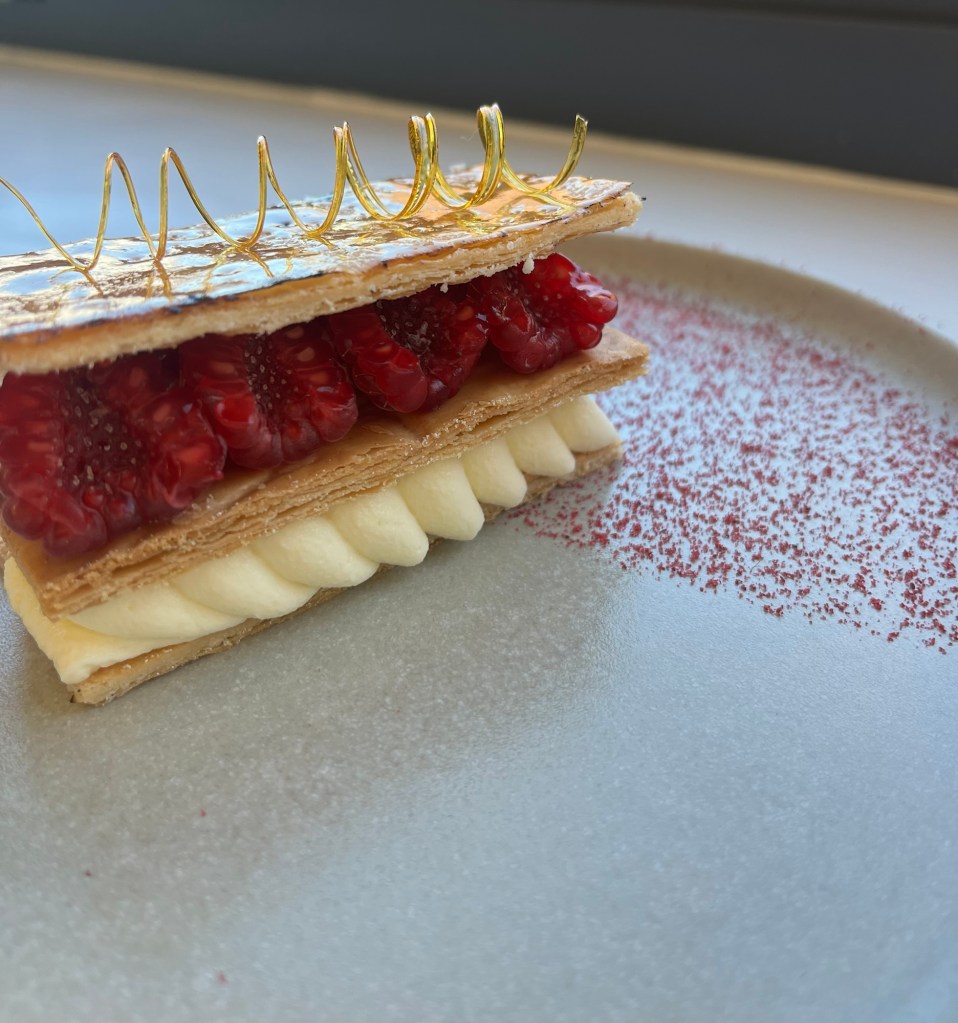
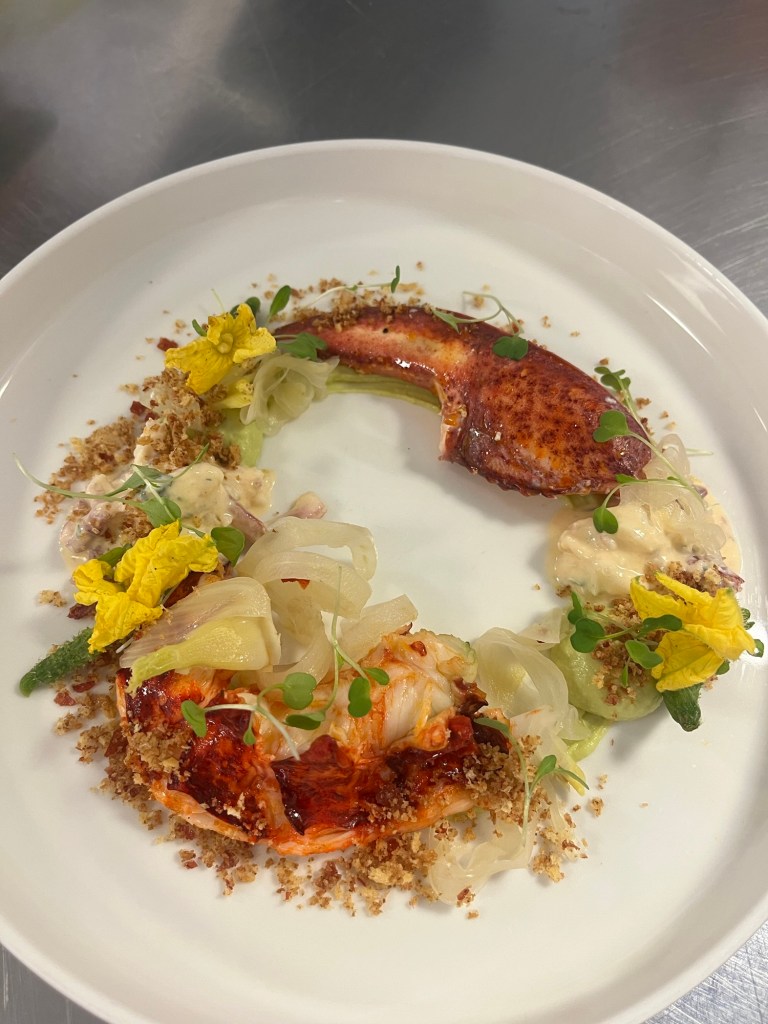
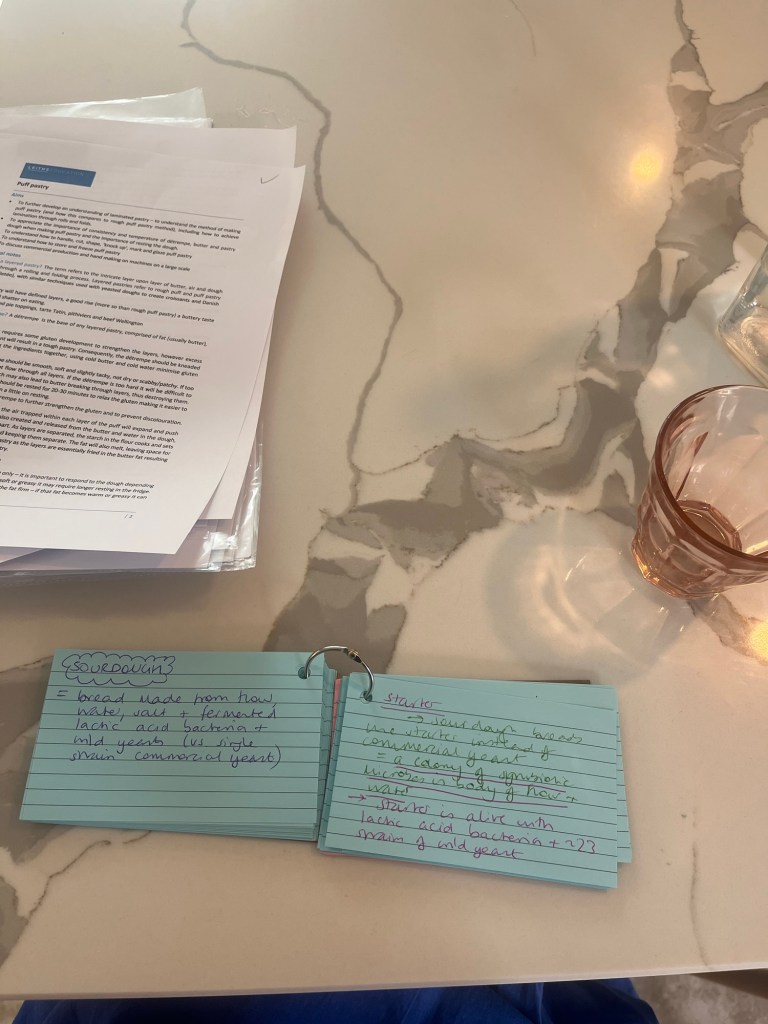
    Thankfully, I was back in on Tuesday for our last all day cook. An absolutely brilliantly and thoroughly eclectic day. We killed and cooked a lobster, and served it with a delicious salad of pickled fennel, avocado puree, tarragon creme fraiche and prosciutto crumb. Amongst these tasks, we began making sourdough, completing our folds every half an hour to develop and strengthen the gluten before shaping and proving. And finally, an MEP session for toasted almond and cardamom mille-feuille which we would finish and assemble the following day. Dispatching a lobster is considerably more unnerving than a crab. Following death, which happens instantly when a sharp knife is inserted into the carapace, the nervous system continues to be active for some time. Most unsettling is the continued contraction of the tail despite its detachment from the head. Even as I lowered it into the boiling water, it was still jerking with considerable force.

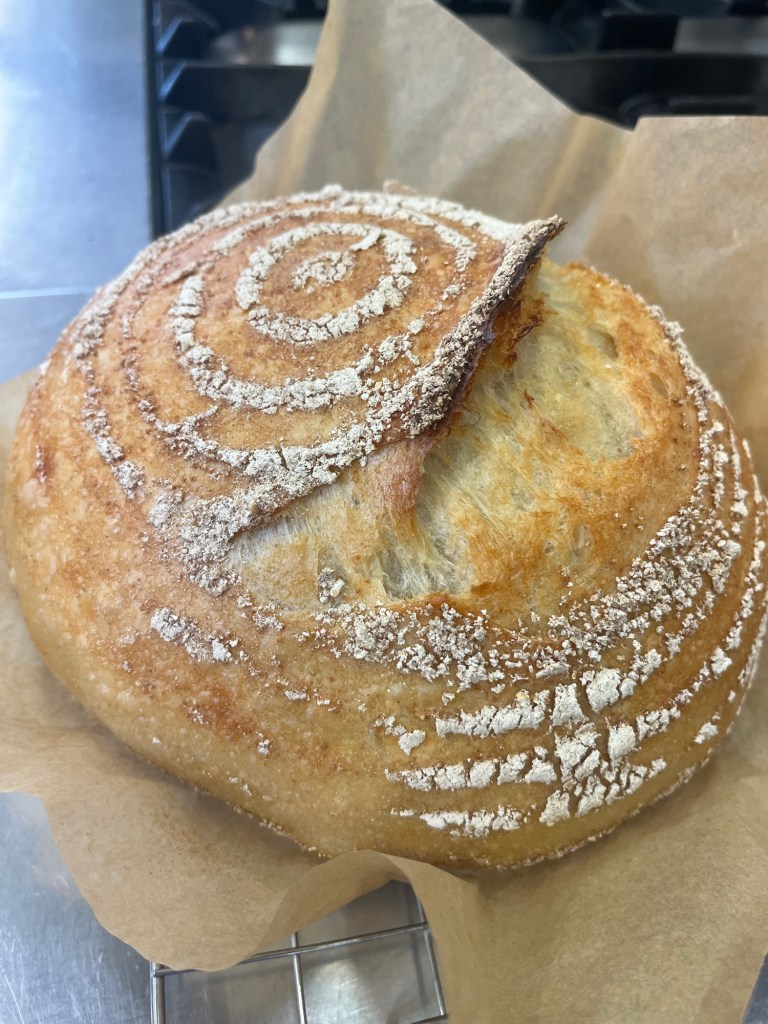
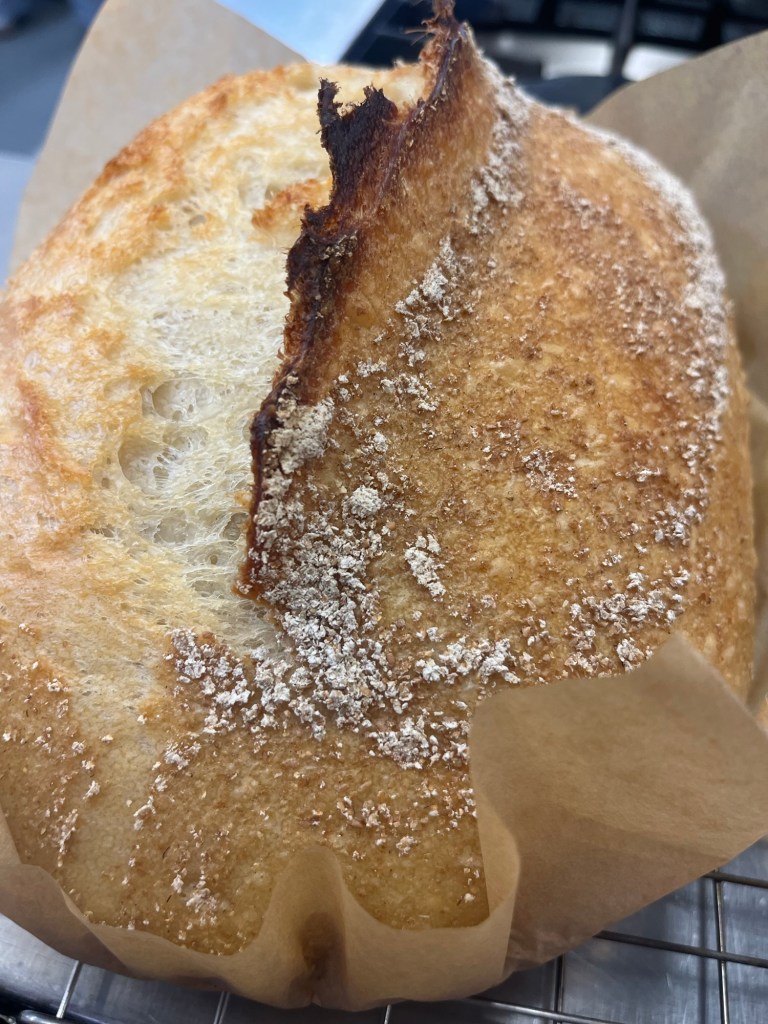
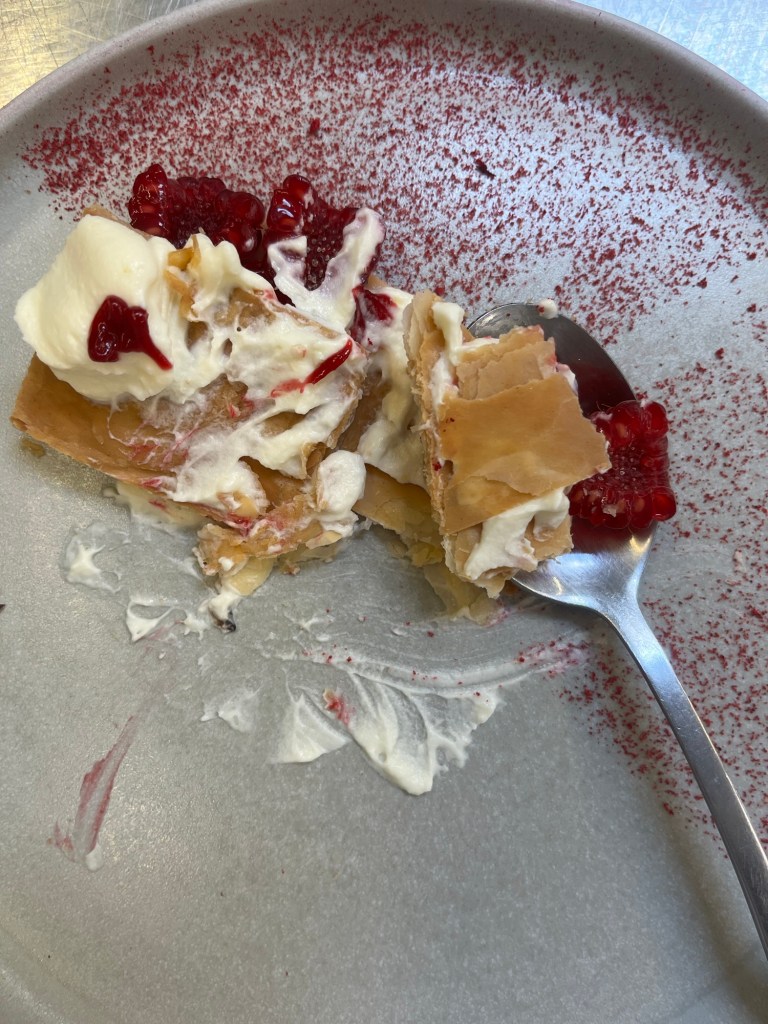
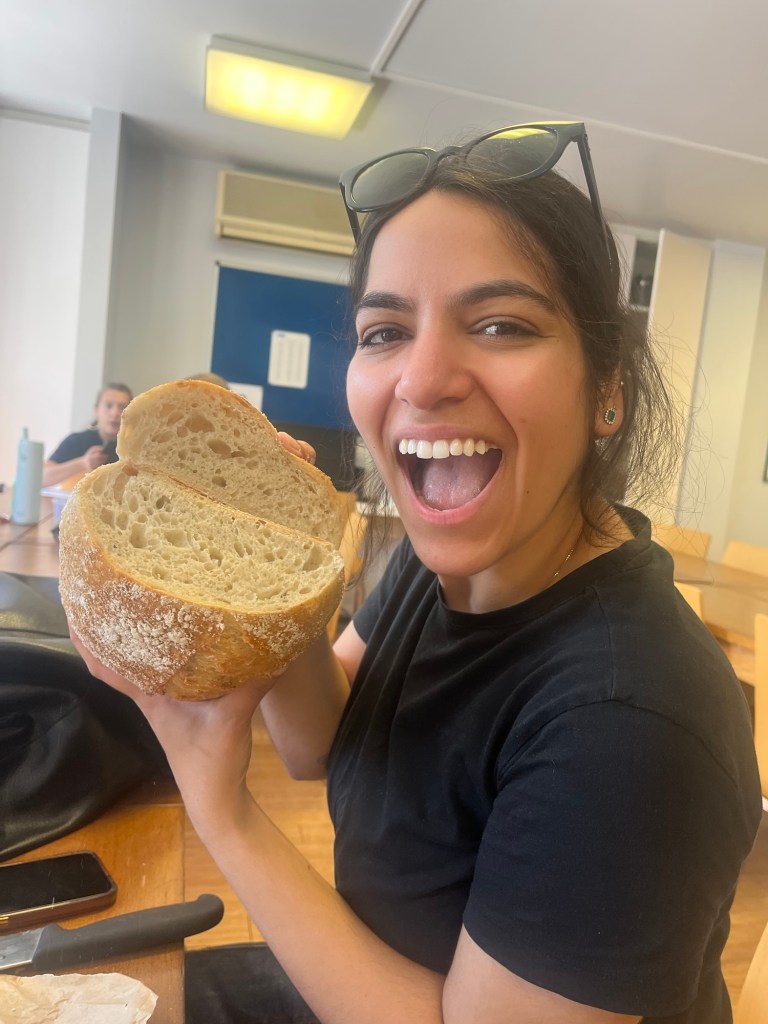
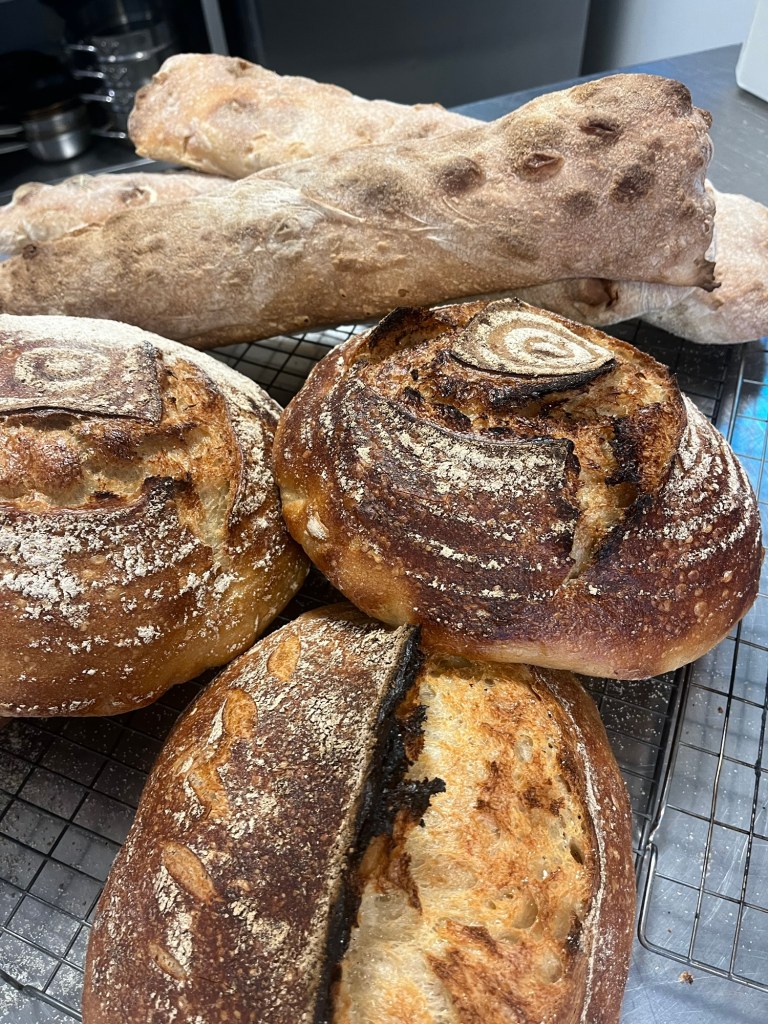
    Being taught how to make sourdough step by step with an expert was a fantastic experience. At the end off the day we had placed our loaves in brotforms ensuring they had plenty of surface tension and covered them in the requisite showcap for cold overnight prove. Baking would come the next day during a kitchen session which was much less hectic (and dramatic). We experienced the triumph of revealing a beautifully risen and baked sourdough with trademark ‘ear’ from the oven not once but twice; had fun with sugar work; and felt the thrill of plating a fine dining dessert of our own making and patisserie skill. All entirely fitting as a culmination of our culinary journey.

    Thursday was a study day for revision but I had also booked to have my home kitchen inspected for food hygiene and safety rating by the council. It was a valuable session and I’m delighted to share my business was rated a 5 🙂

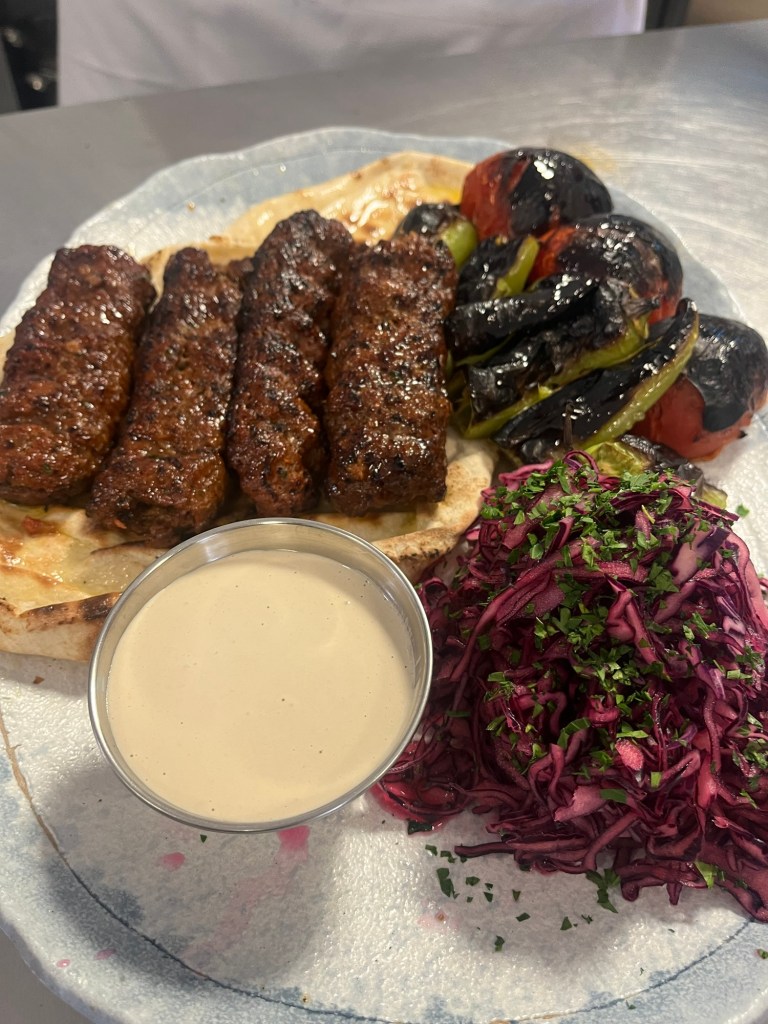
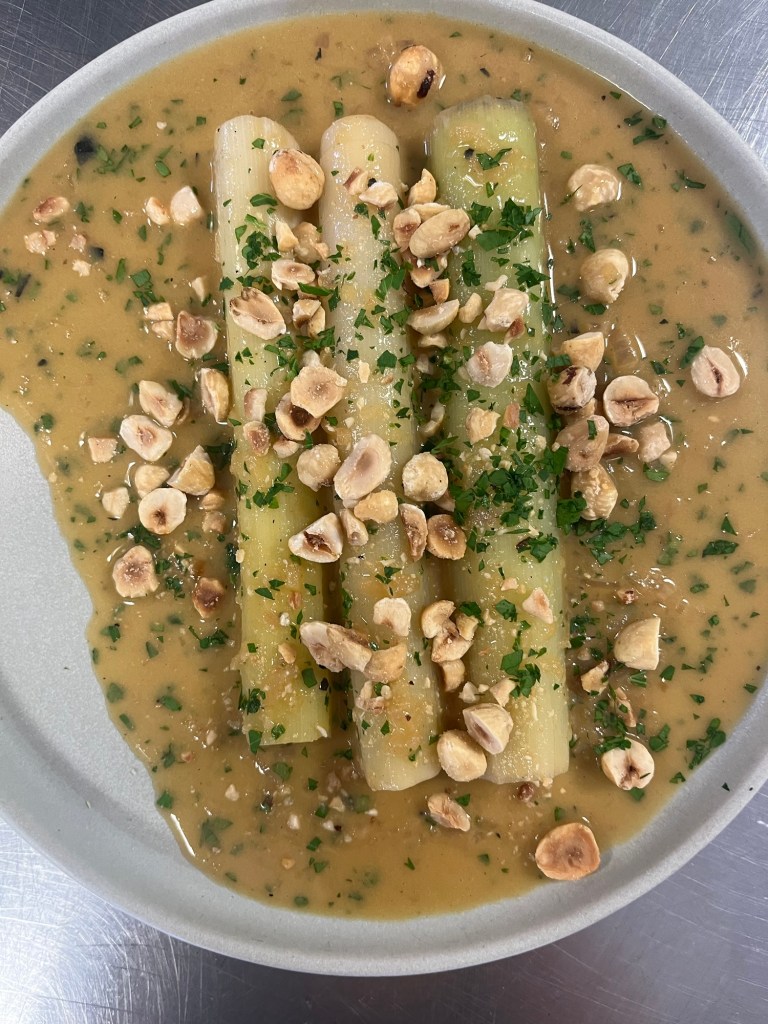
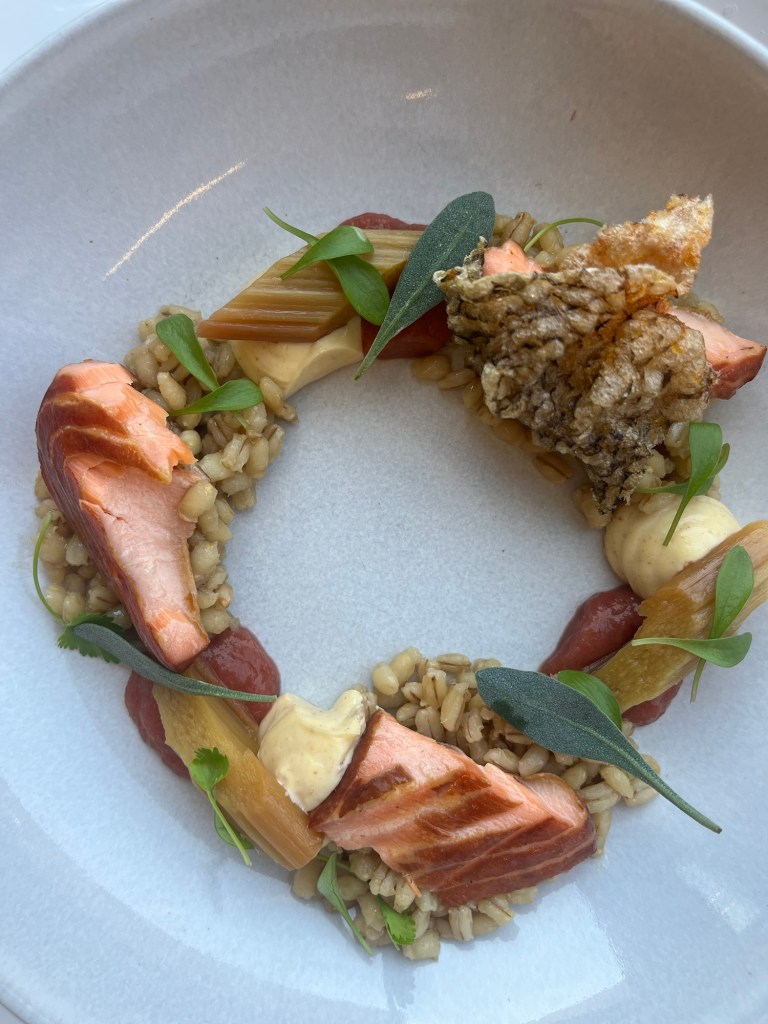
    Friday began with our final dem and what a finish! Mikey demonstrated BBQ and open fire cooking with two outstanding dishes: burnt leeks with mustard vinaigrette and hazelnuts; and a Berenjak-inspired Adana kebab, with pickled red cabbage, tahini and khobez. Unfortunately, our final afternoon cooking a curriculum recipe was slightly disappointing. The trout that we were due to cure and smoke had been stored in a fridge that broke down overnight. Therefore although we could cook and plate the elegant dish, we couldn’t eat it. Once assessed for presentation, it all ended up in the bin 😦 Nevertheless, I still ended the week smiling. Back in my own kitchen, I spent Friday evening in my happy place preparing a luxury hamper for a client to take to the opera the following evening.

  • This week was a tale of two halves: two days of assessment to start the week and two days of canapé prepping and partying to end.

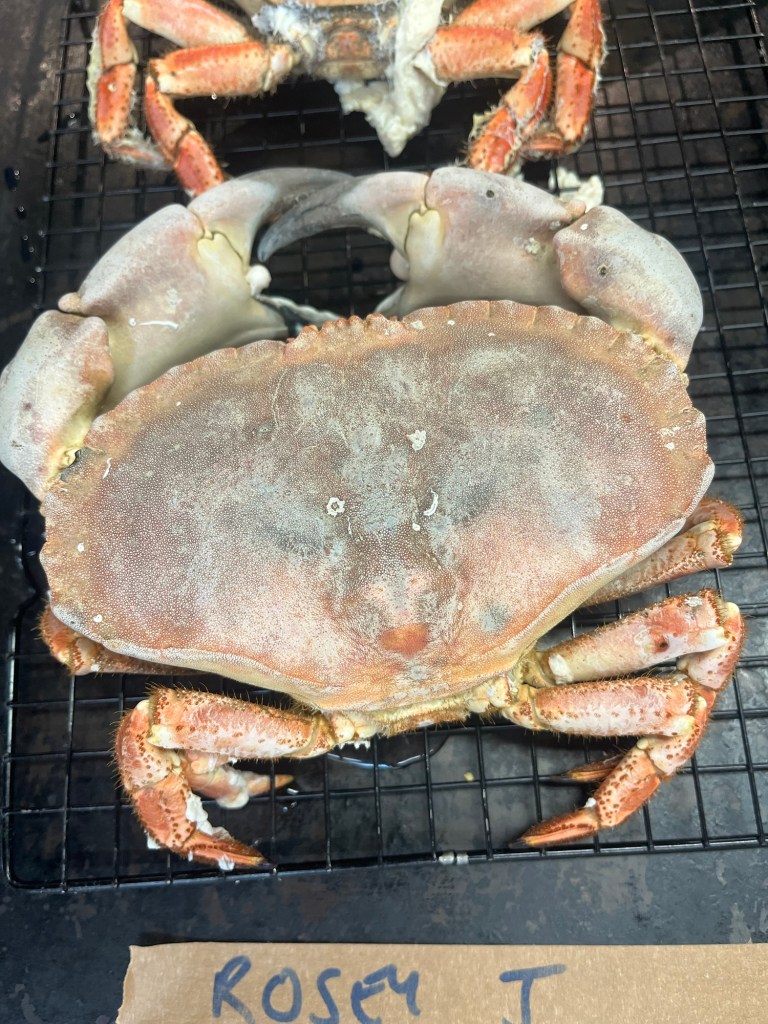
    The assessment involved several new skills most of which we were attempting for the first time. Day one was a prep session but still required exam conditions of no talking or conferring. We had to make an enriched pasta dough – so far so straightforward. Next up, kill and cook a whole crab. Best to just execute this stage as quickly and efficiently as possible. Place the live but sedated crab on its back. Use a small office knife to lift the ‘apron’. Pick up your knife sharpening steel and place in the small opening. Use a saucepan to tap firmly on the top of the steel to drive it through the crab. Move the steel back and forth to break the nervous system. Not for the faint-hearted! Once dispatched, into boiling water for approximately 12 minutes before being left to cool ahead of day two. Also for the first time, we made a scallop mousseline. This is a somewhat faffy and precise process which, amongst other things, requires all equipment to be fridge cold before starting. Scallop meat and egg whites are whizzed in a Magimix before sieving, weighing and beating in a precise amount of cream. All three elements were carefully labelled and left in the fridge overnight. One of my friends, for fear of any confusion the following day, labelled her crab, ‘crab’ 🙂 This is what the pressure does to you!

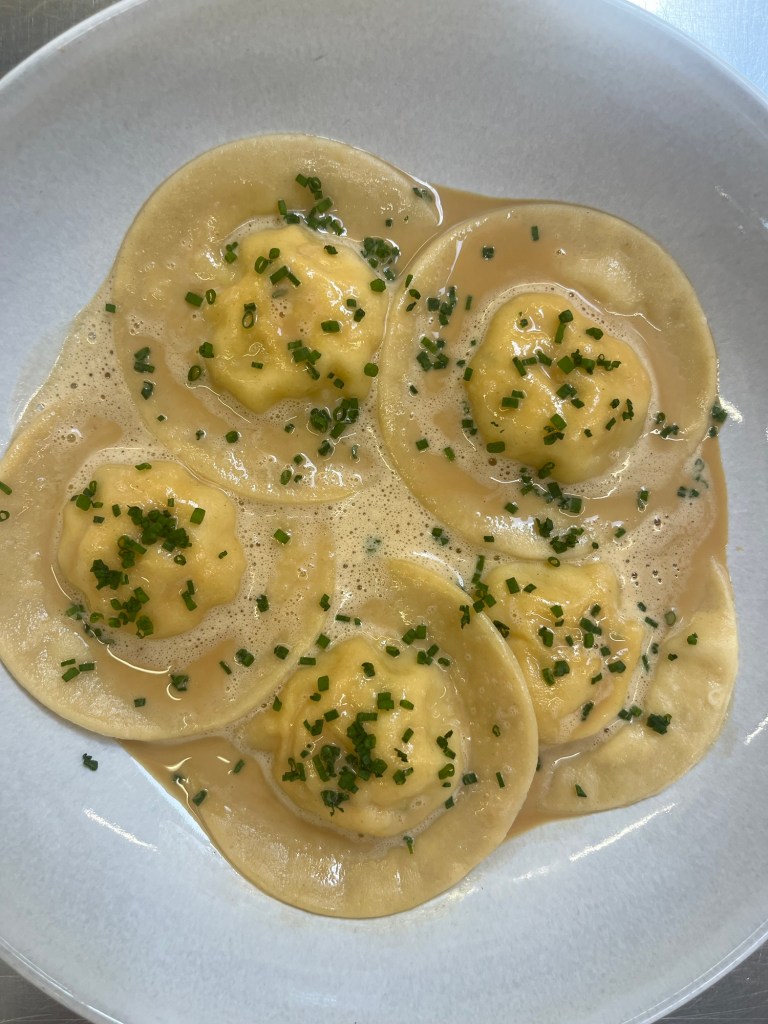
    Day two was intense. A considerable amount to get through in just two hours and all for a small plate of filled pasta. First the painstaking task of picking the crab for white and brown meat followed by the diligent checking and re-checking for wayward fragments of shell. The white crab meat was then combined with the prepared scallop mousseline and a small amount poached to check for seasoning and texture. The, now picked, shell of the crab was used to form the base of a bisque. Browned in a hot pan with diced onion to develop some caramelisation for depth of flavour. Then a dramatic moment of flambé-ing the pan with a ladleful of flaming brandy. And finally the addition of aromatics and stock before leaving to simmer and gather yet more flavour.

    Meanwhile, we got going on rolling out the pasta dough and preparing it to be filled with mousseline to make ravioli. Mid-pasta assembly, the bisque required straining prior to reducing to achieve a concentrated flavour with the addition of lemon juice and cream just before service. Somehow it all came together with one minute to spare before the end of the service window. And I’m delighted to report I was awarded a distinction for the assessment – phew!

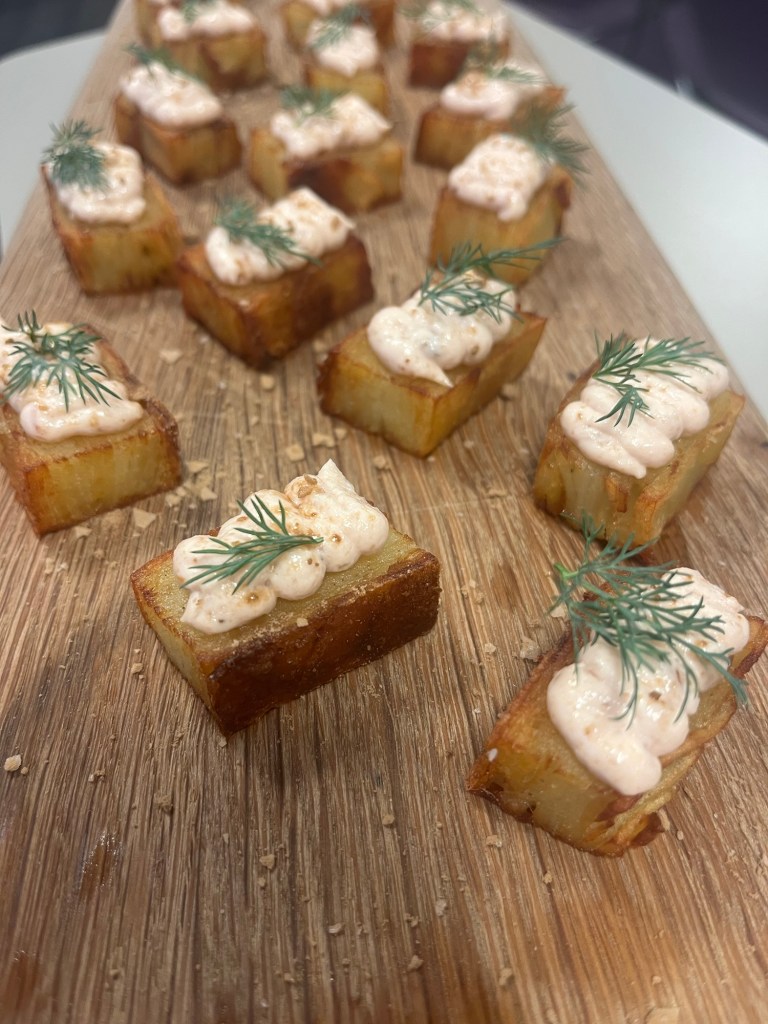
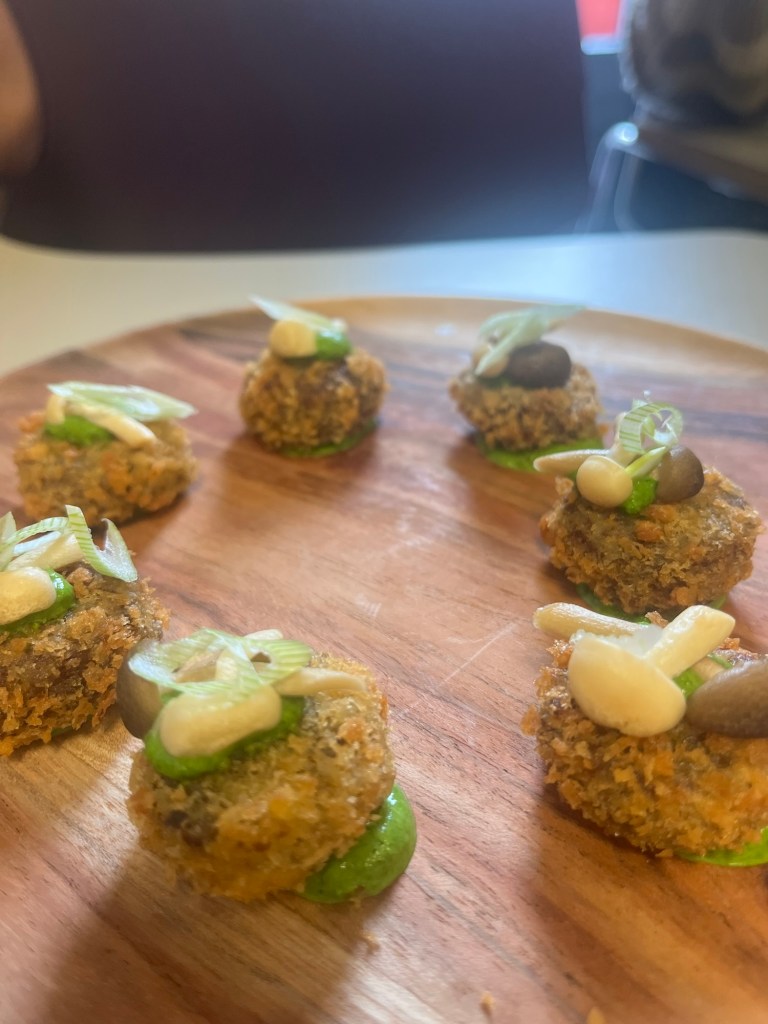
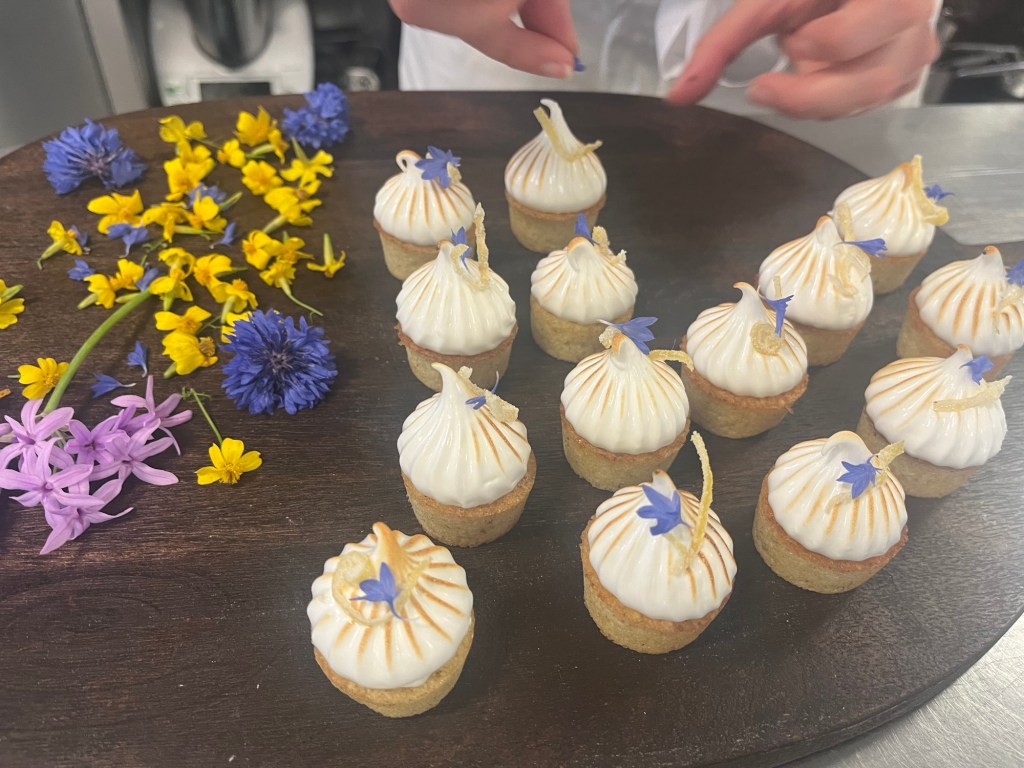
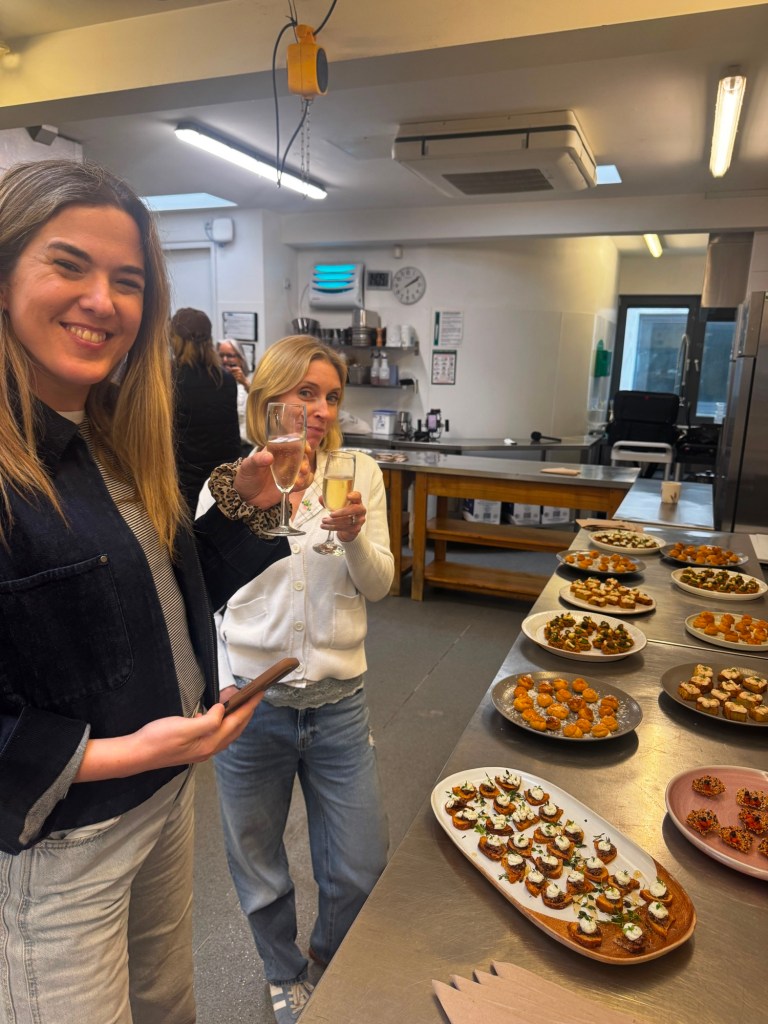
    The vibe in the kitchen the remainder of the week was palpably calmer and more relaxed. Having been treated to a dem of advanced canapés on Tuesday morning, we then set about making them ourselves ahead of a party for students and teachers on Thursday afternoon. Some much needed light relief following back-to-back assessments.

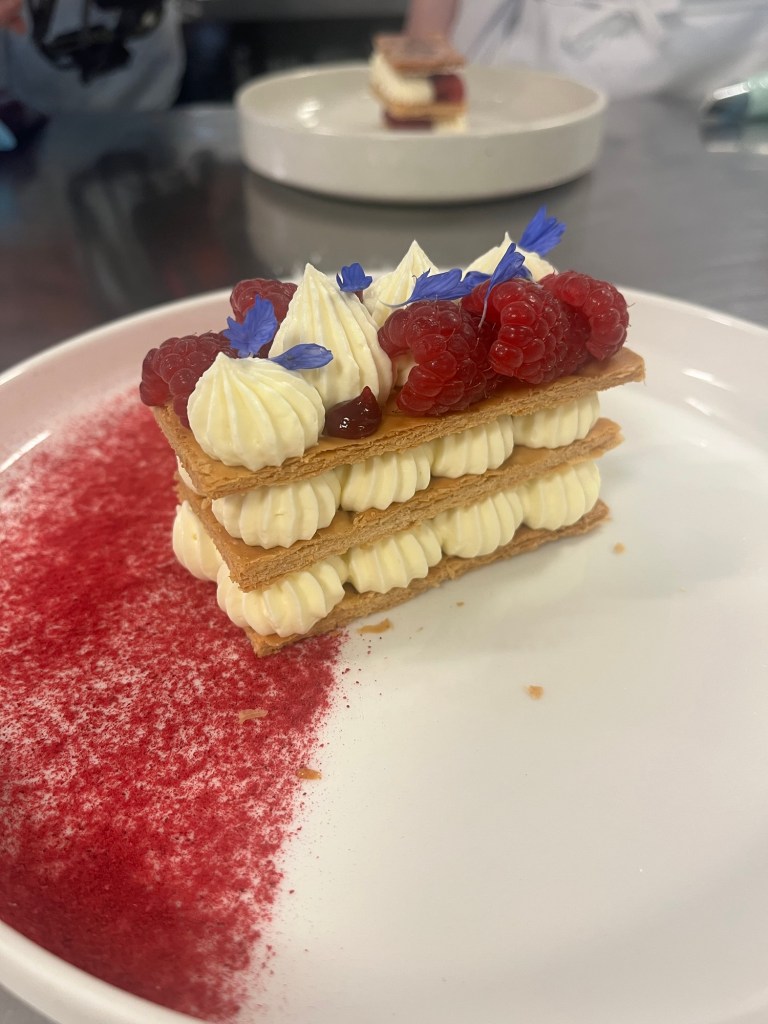
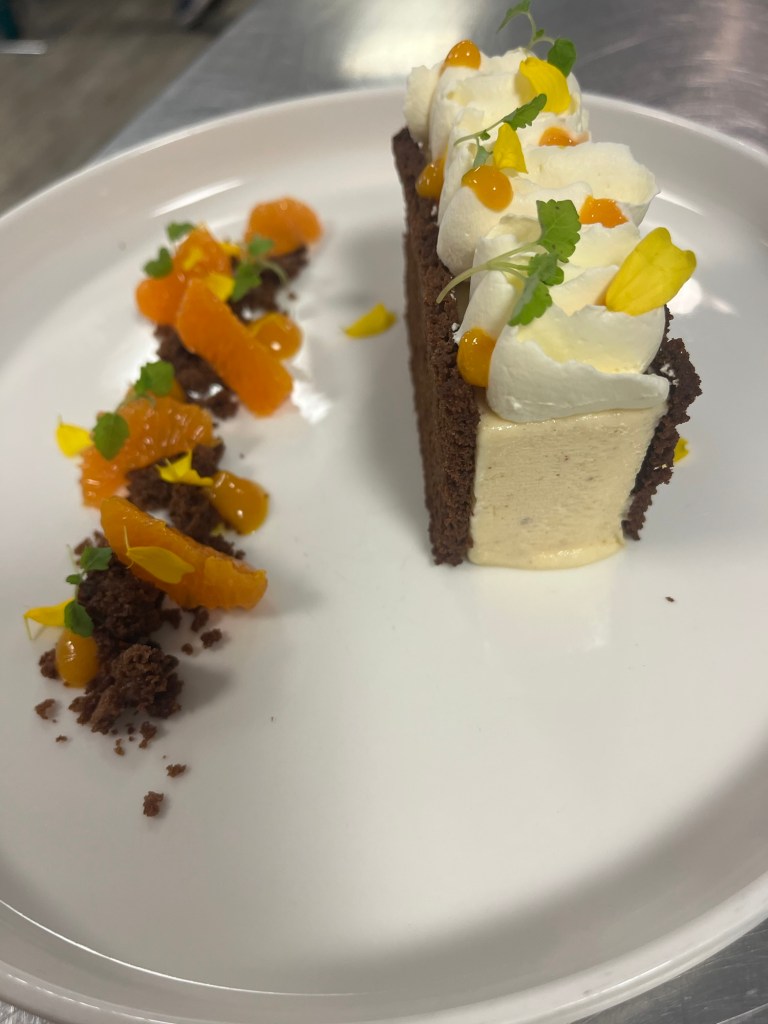
    Two other treats completed the week: first, a morning with exec chef and owner/founder of Ballintaggart in Scotland. It was fascinating to hear about the establishment of the business and a delight to sample food from their menu, in particular the baked scallop in Thai broth. And second, our final ever dem with head of school, Lou, showcasing two impressive plated desserts: brown butter parfait with ginger and mandarin and a toasted almond, cardamom and raspberry mille-feuille.

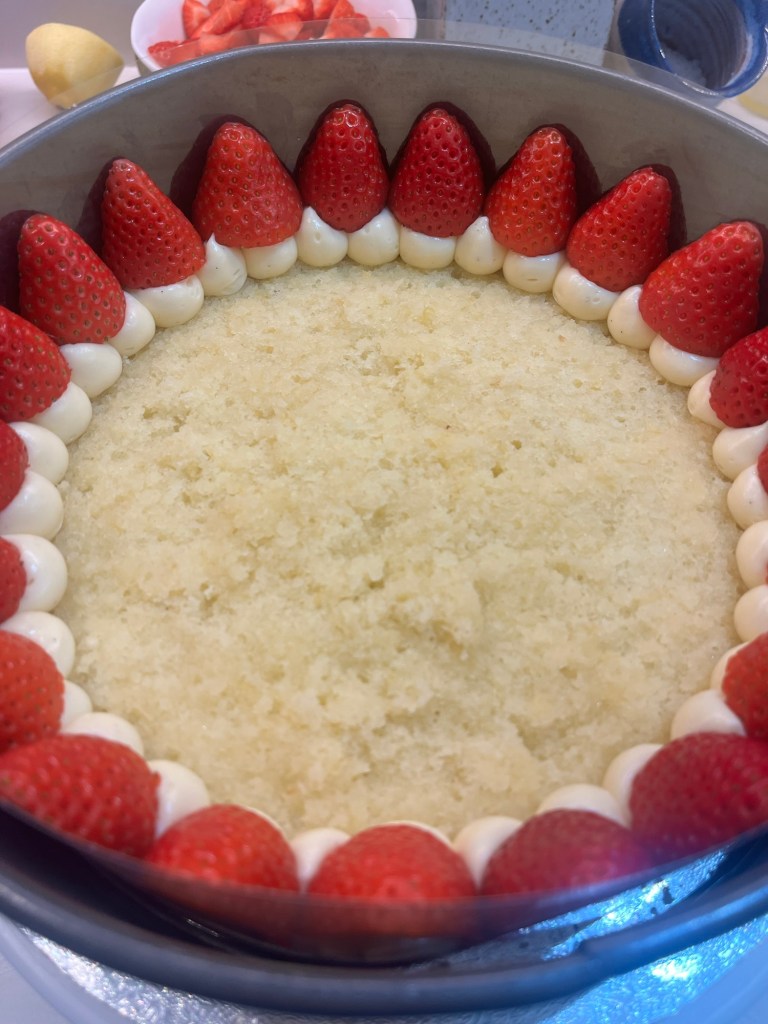
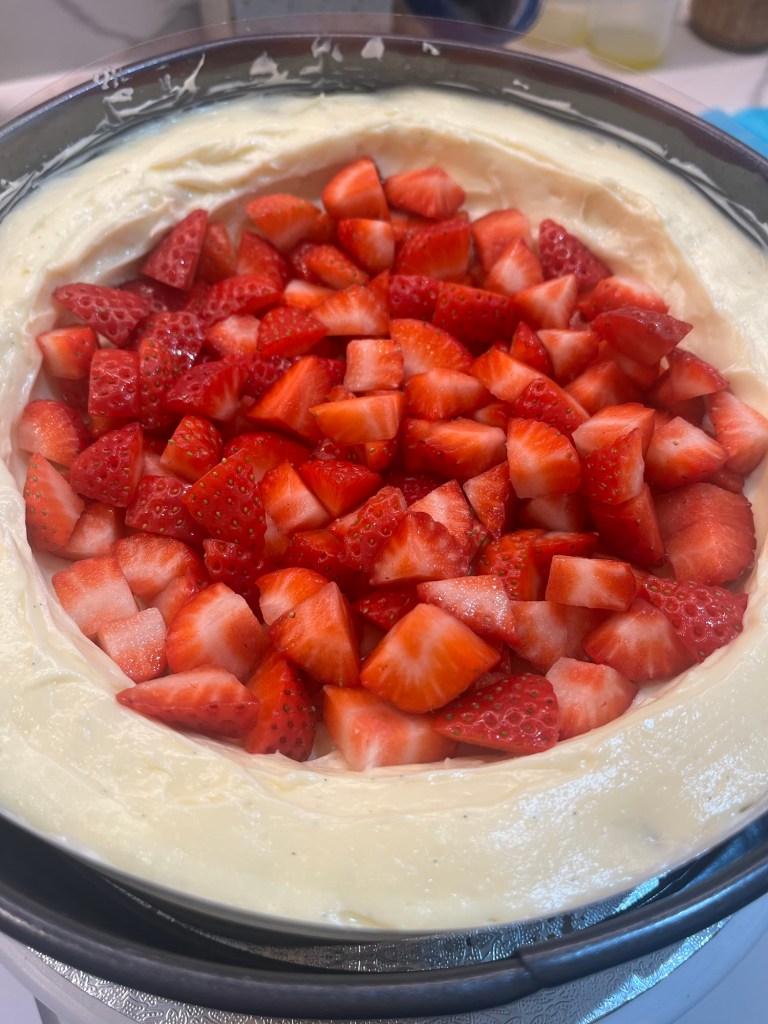
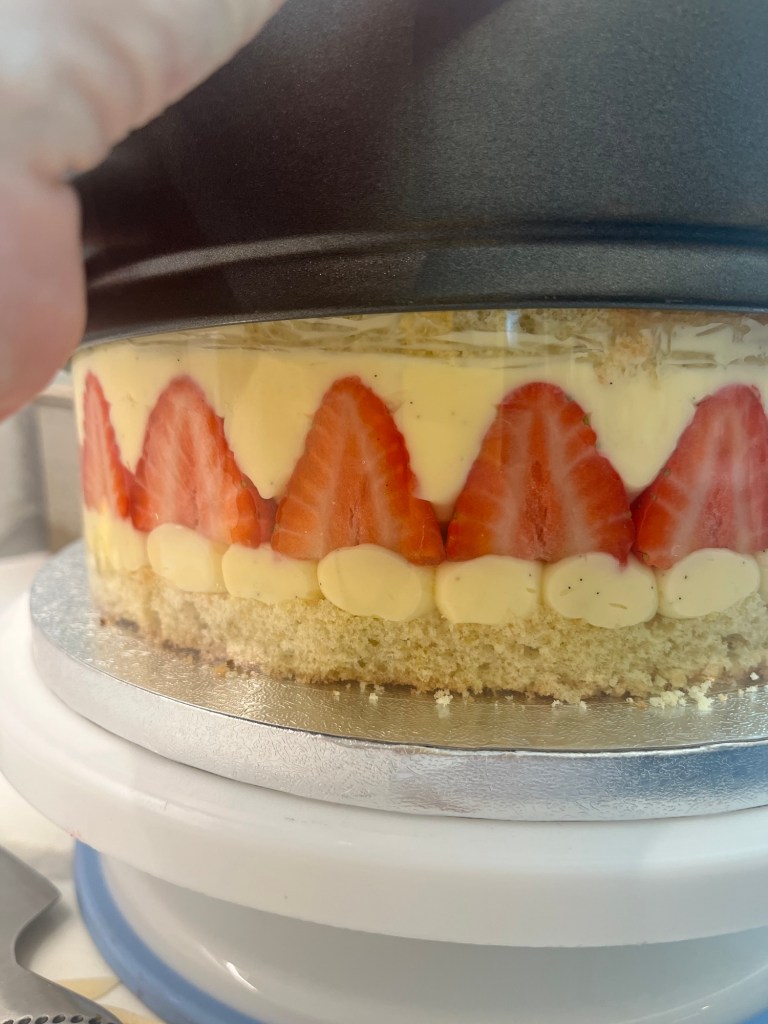
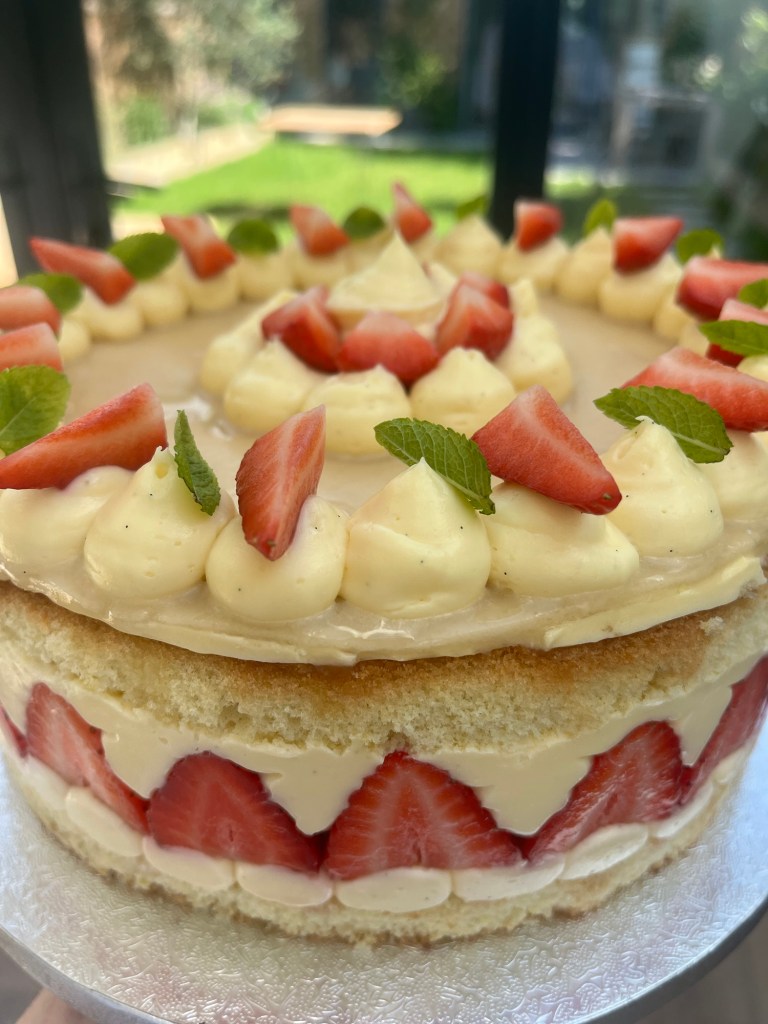
    Friday was a welcome day off / study day….but for me it was also another chance to try a new skill of making a fraisier cake for a client. Whilst I was excited to make it, there was also a certain degree of trepidation following warnings of how easily the creme mousseline can split. Thankfully I took it carefully, ensuring all ingredients were at room temp and it whipped up beautifully. My two daughters were delighted with the leftover creme, sandwiched between strawberries, for breakfast the following day. What a life!
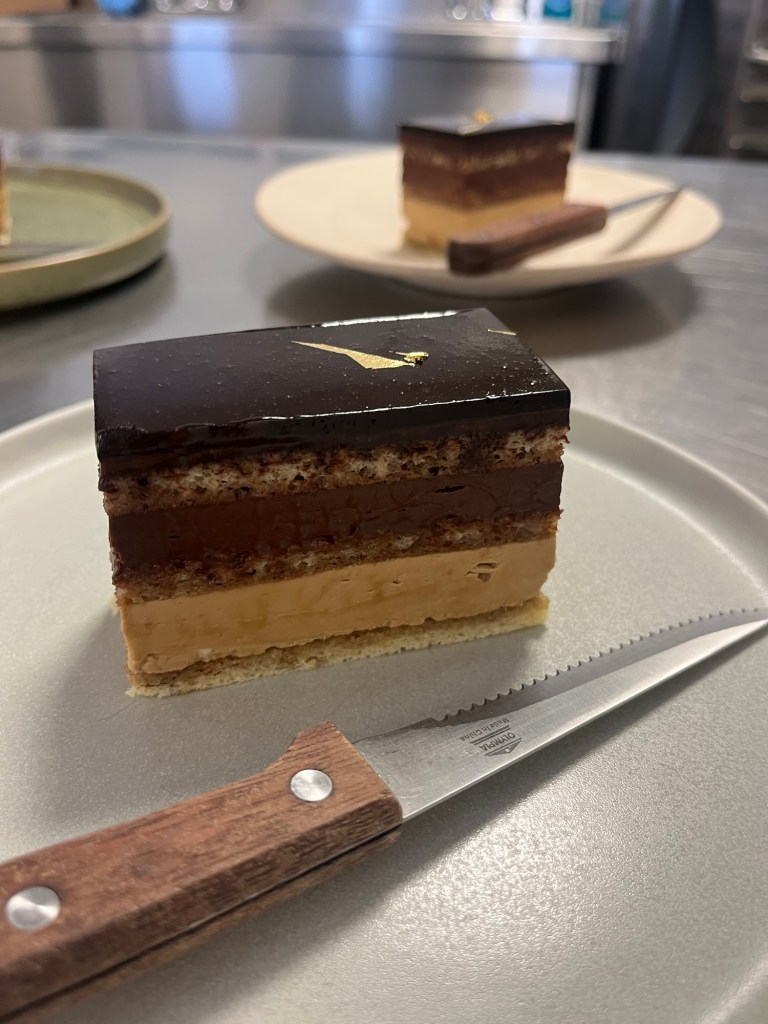
  • The week of the Opera Gateau! As the name implies, this cake is one dramatic, decadent diva. No lowly cake status here, but a gateau, or more specifically an entremet. A complex, multi-layered dessert, the name of which literally refers to ‘between servings’. Wikipedia describes an entremet as an edible scenic display, always spectacular, often theatrical. The opera gateau could be viewed as the highest form of theatre, with its layers thought to resemble the levels of an opera house.
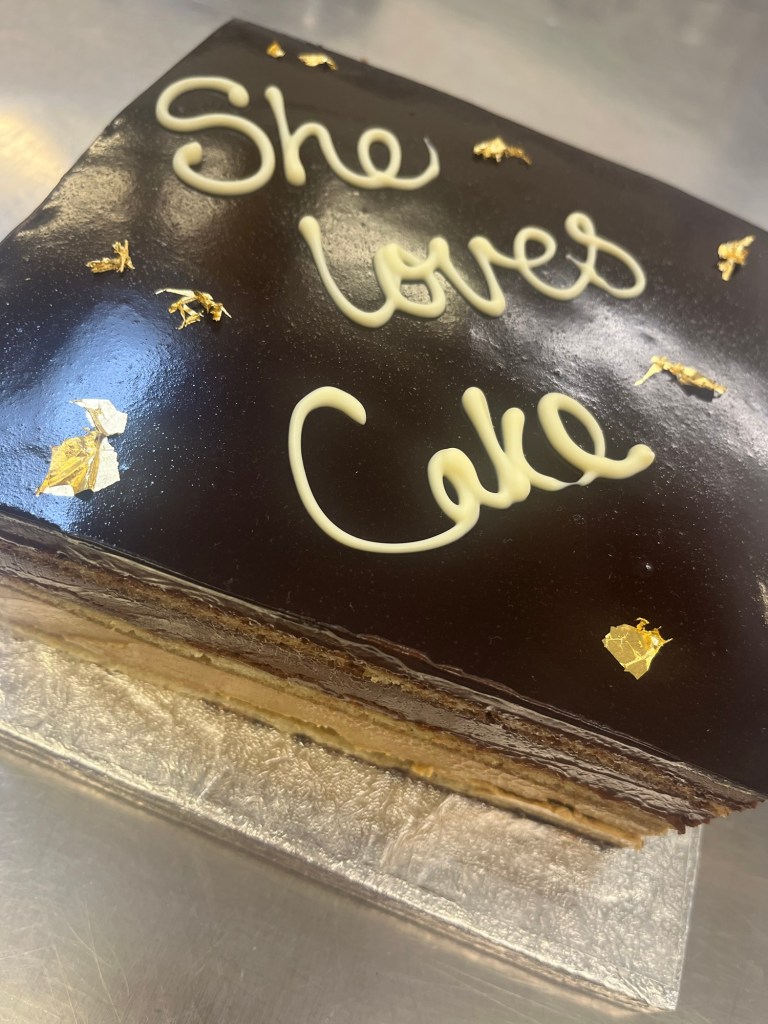
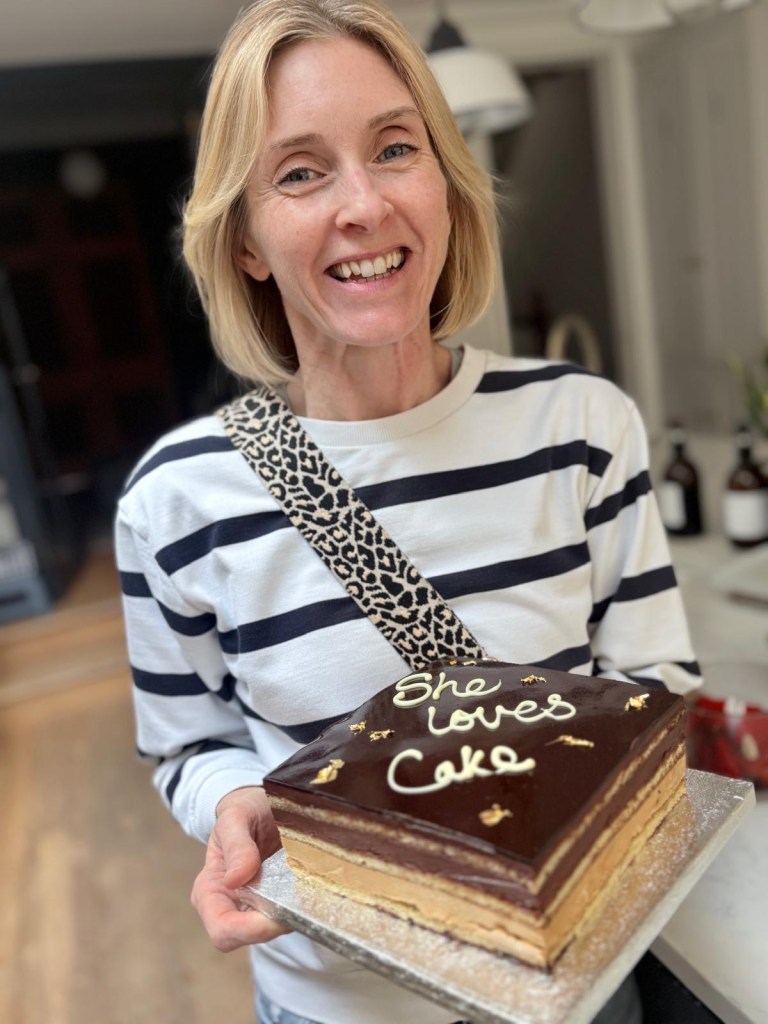
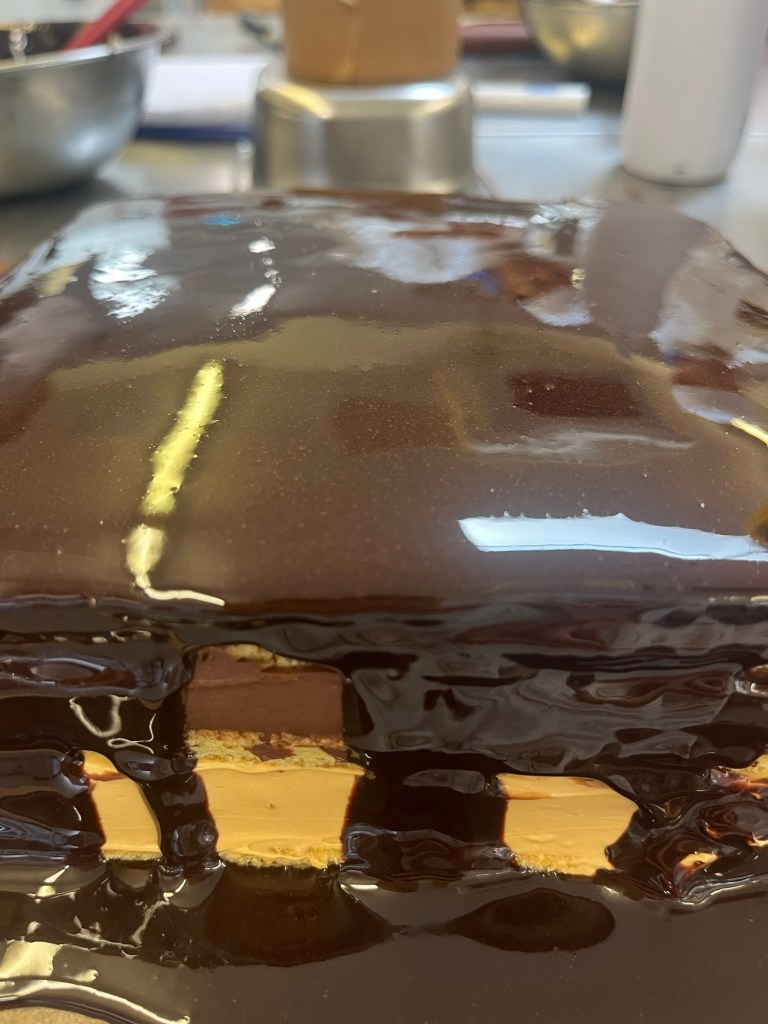
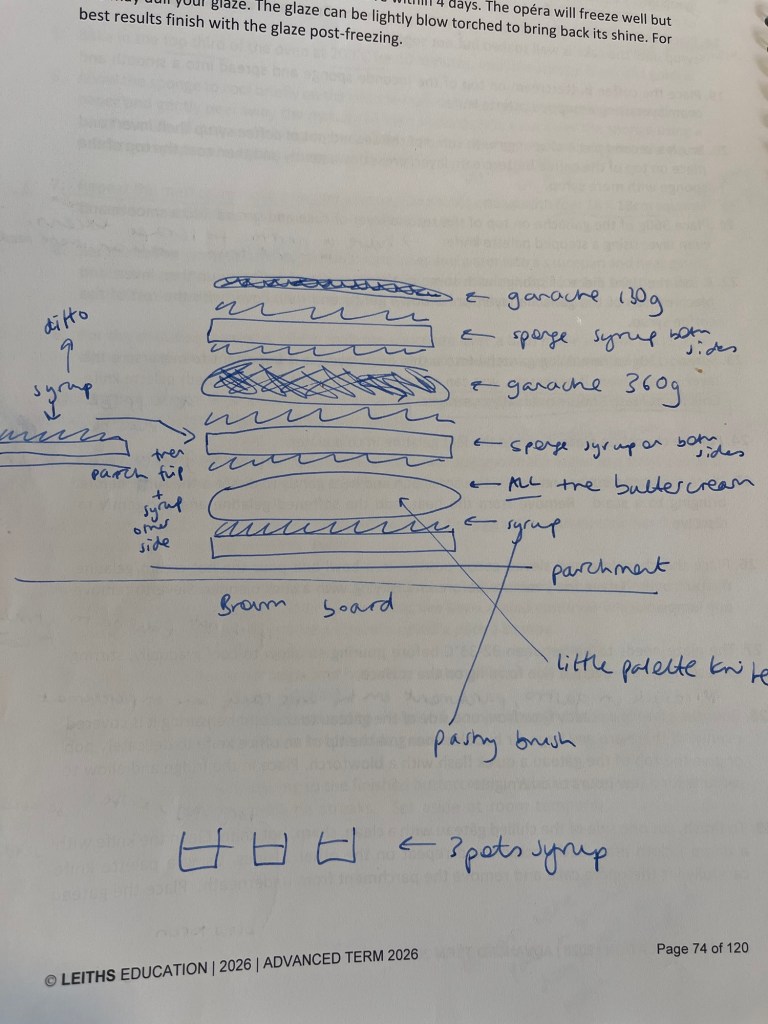
    This showstopper took us three days to create. On Monday, we made the thin layers of jaconde sponge which required rulers for precision in size. And we combined coffee, sugar and water to make a coffee-infused sugar syrup. On Tuesday, we prepared the chocolate ganache filling, the coffee buttercream filling (which is pate a bombe-based) and the mirror glaze topping. We then embarked on the assembly. Such is the complexity that diagrams were required to assist at this stage. The various fillings also have to be a very particular consistency and temperature (not too hot, not too cold) to be spreadable yet hold their shape. A small palette knife helped us to smooth the layers over the cake in the style of a plasterer. Once adorned with the final layer of ganache, into the fridge she went to firm up. The mirror glaze is also a demanding creature and again had to be at a specific temperature (32-33 degrees celsius) before pouring over the cake. It must be stirred and tended to frequently to cool gradually without forming a skin. When it reached the optimum moment, it was incredibly satisfying to pour the glossy, molten liquid all over the cake and be able to see your reflection within it. But what a messy business; we ended up with glaze all over the benches and spilling on to the floor. A quick blowtorch to remove little air bubbles and our diva was back in the fridge to chill and set up overnight. Wednesday was for the final flourishes: writing, gold leaf and tempered chocolate decoration. Traditionally the gateau is topped with the word ‘opera’ in white chocolate. We had quite an array of alternatives from ‘eat me’ to lines from an Italian opera. I went with my instagram handle with seemed apposite.

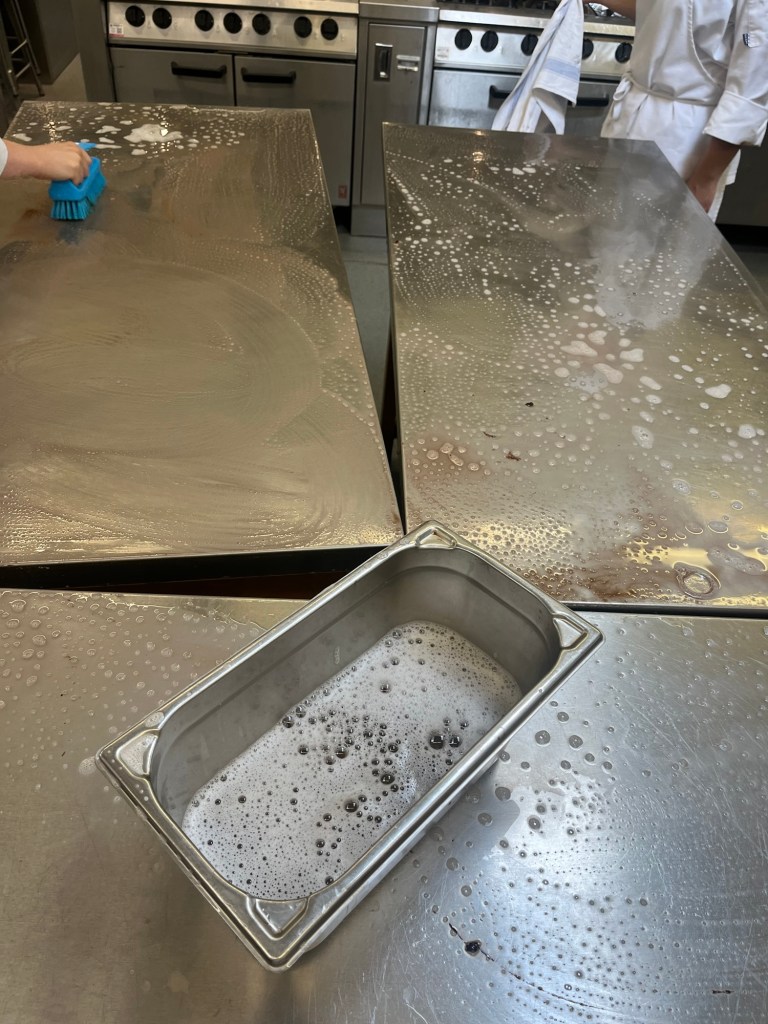
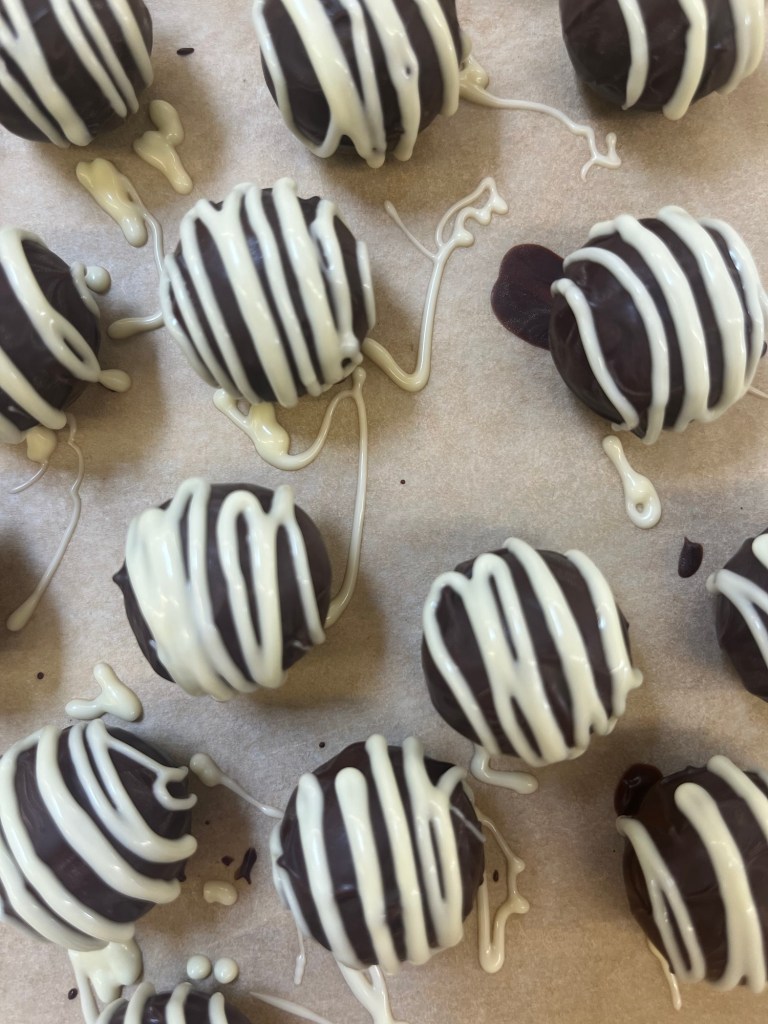
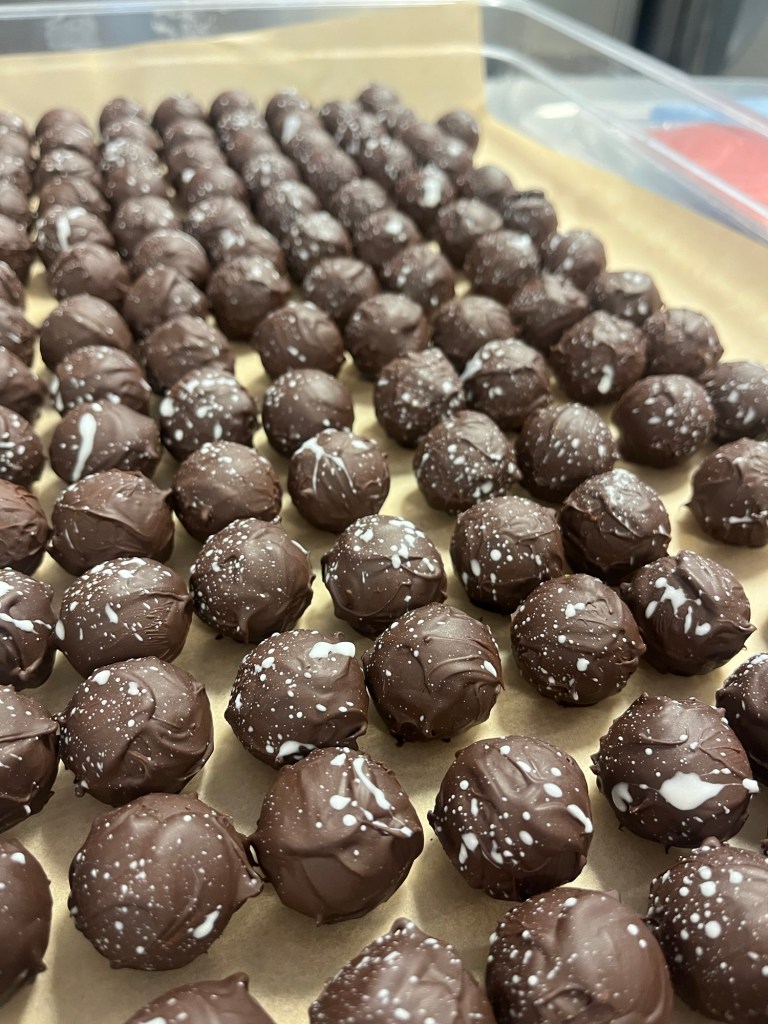
    Running alongside this labour of love, we also made salted muscovado caramel truffles and attempted to temper chocolate to coat them. Another incredibly messy business which involved chocolate all over our hands and faces, and consequently the entire kitchen. The end of day clear down was epic. The transportation home of our opera gateau divas was cause for consternation given the time and dedication we had put into the creation. A taxi was the only option whilst desperately clutching the box on our laps.

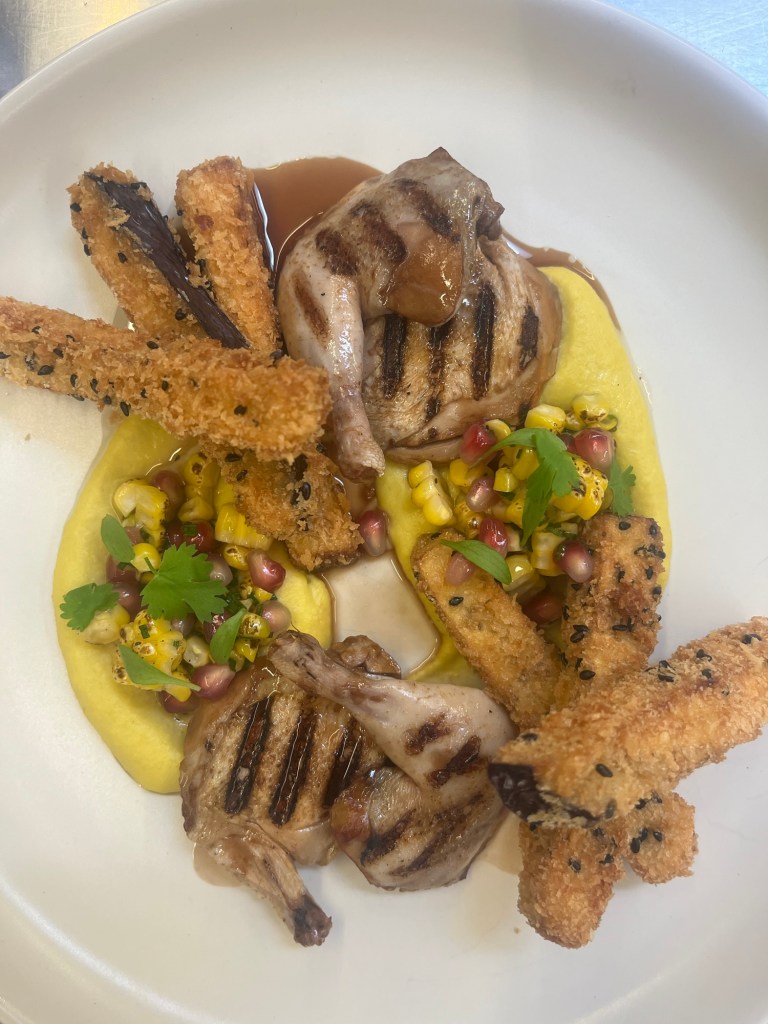
    There was little time to reveal in our chocolate week success. On Thursday, we had our first formal assessment of the advanced term. A five hour session to produce brined and bbq’d quail, aubergine fries, sweetcorn salsa and puree, and a pomegranate jus. Lots of technique required to produce this delicious plate of food. But thankfully, we had been given a sensible amount time within which to accomplish it so we could enjoy it and focus on refinement, elevated execution and seasoning.

    Friday was the perfect end to a full-on week: an all day bread dem with Grace, our resident carbs expert. Grace took us through the lengthy and involved methods of making sourdough and focaccia, plus two recipes for using up trash starter: an incredibly moist banana bread and some crisp, flavoursome olive oil crackers.

    We start next week with our second formal assessment of the term which involves killing and preparing a whole crab. Having been shown the ropes this week (pushing a steel through the body using extra heft from a saucepan) it is not a task that we are all relishing….

    But for now, the weekend to enjoy and a gorgeous reunion of the original Blue B crew at Osteria Angelina.

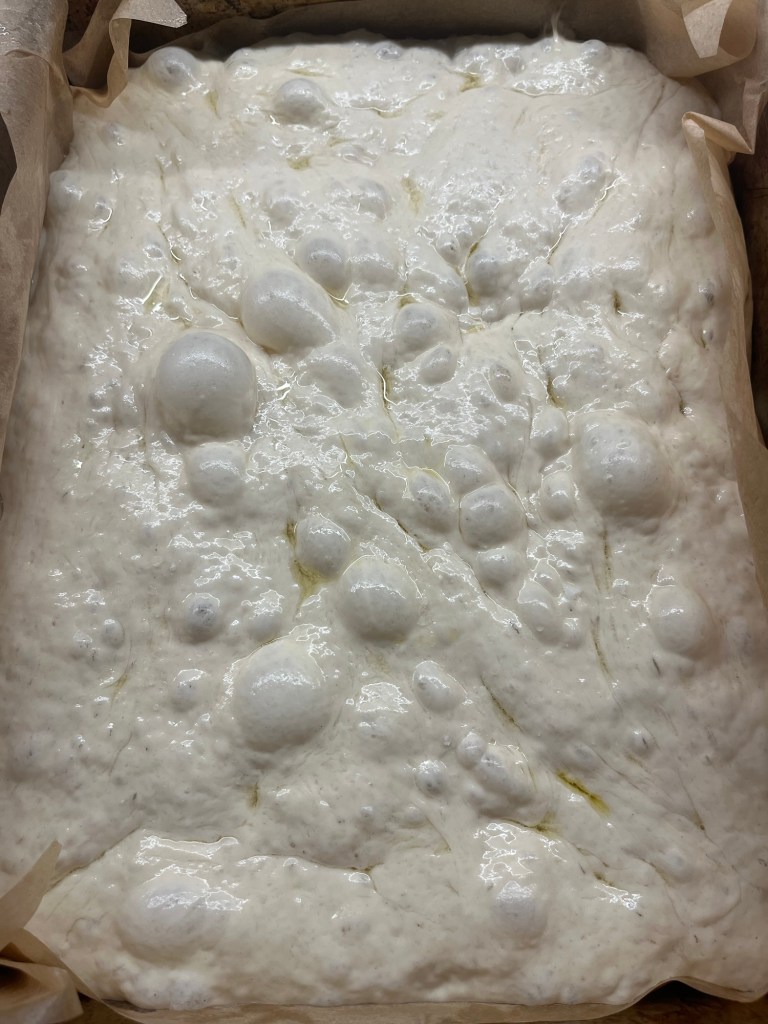
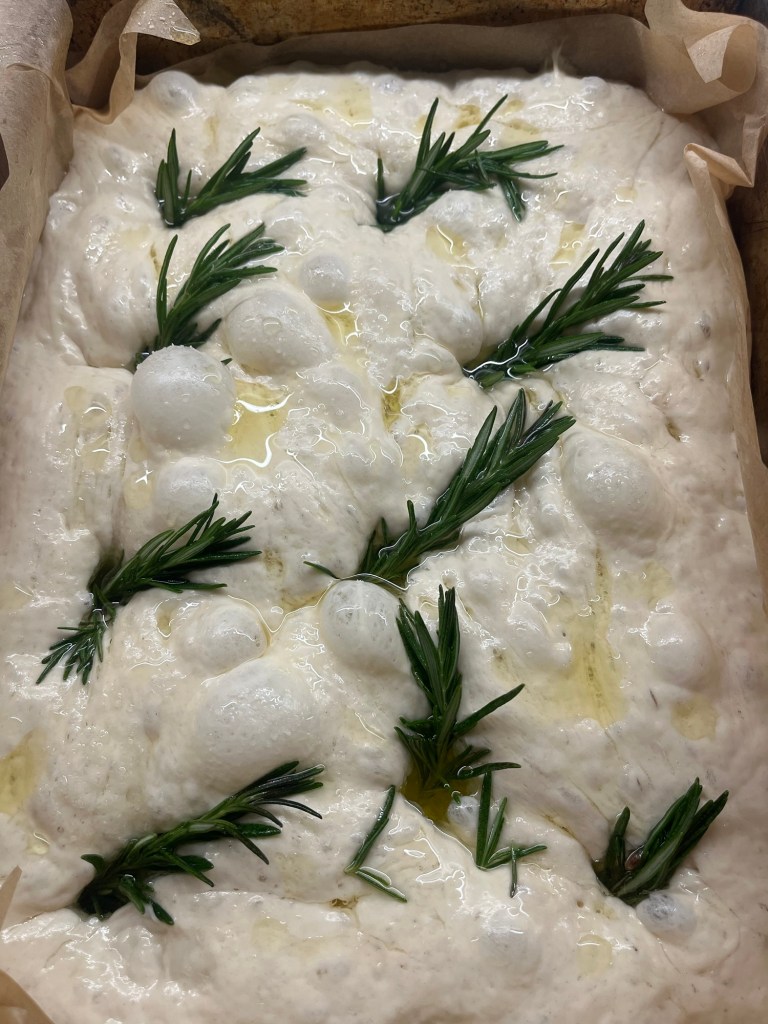
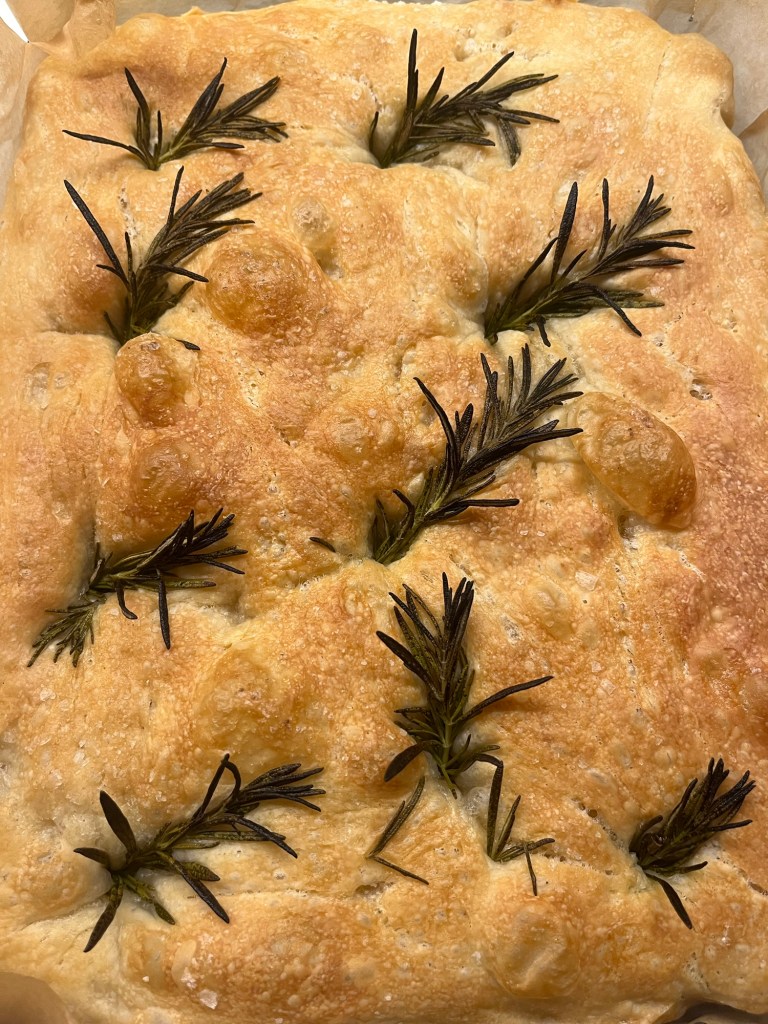
  • A slimmer’s portion of a week with just two days in school and the rest of the week half term fun in the (very hot) sun with the kids. The heat provided the perfect conditions for making a speedy focaccia. Rather than the usual two day process, I had delicious bubbly focaccia in just 12 hours.

    Thursday started fishy, or more specifically crustaceans and molluscs, with lobster and scallop prep and cook dem. A very efficient demonstration of a lobster execution: straight through the head with a sharp knife. The nervous system remains active so there continued to be some unnerving movement of the poor creature for several minutes post death. once cooked and shelled, we were provided with a showcase of different ways to plate a lobster salad which included a proscuitto and brioche crumb, a tarragon creme fraiche, pickled fennel and an avocado puree. The plating was briefly admired before the contents was attacked with gusto!

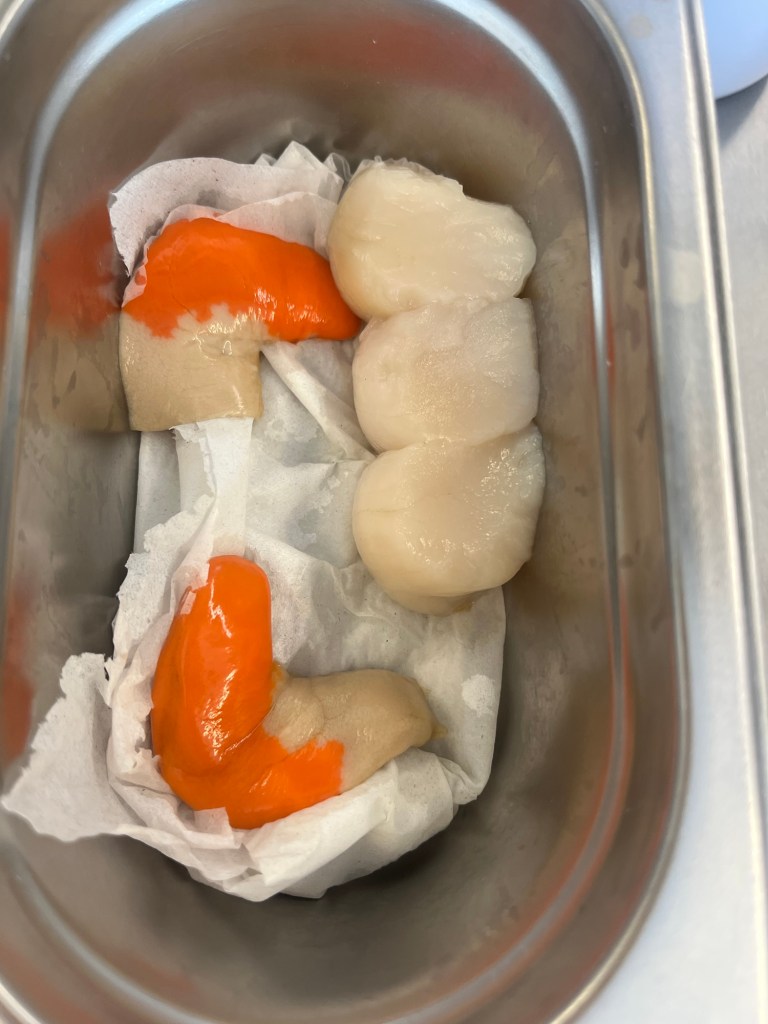
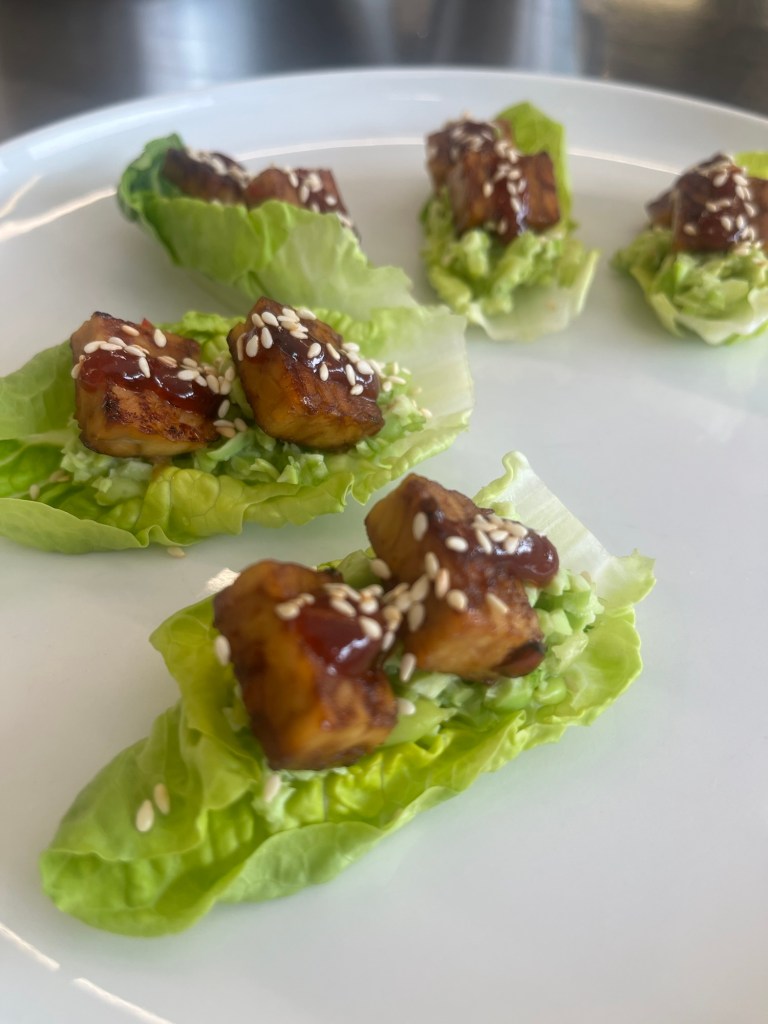
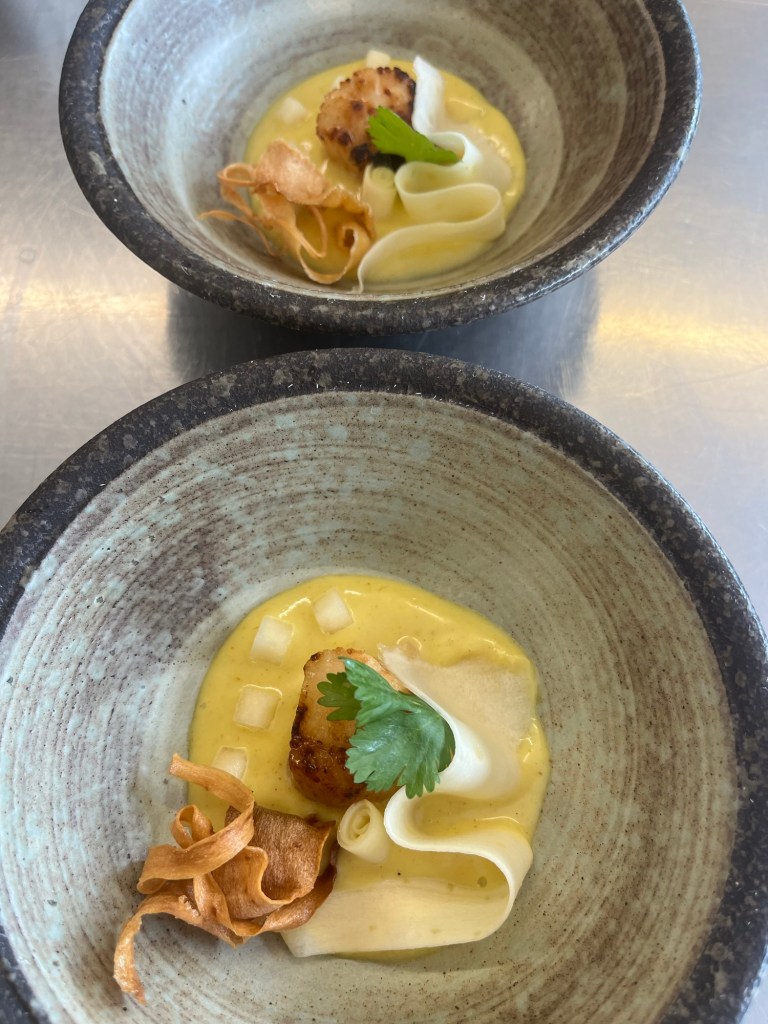
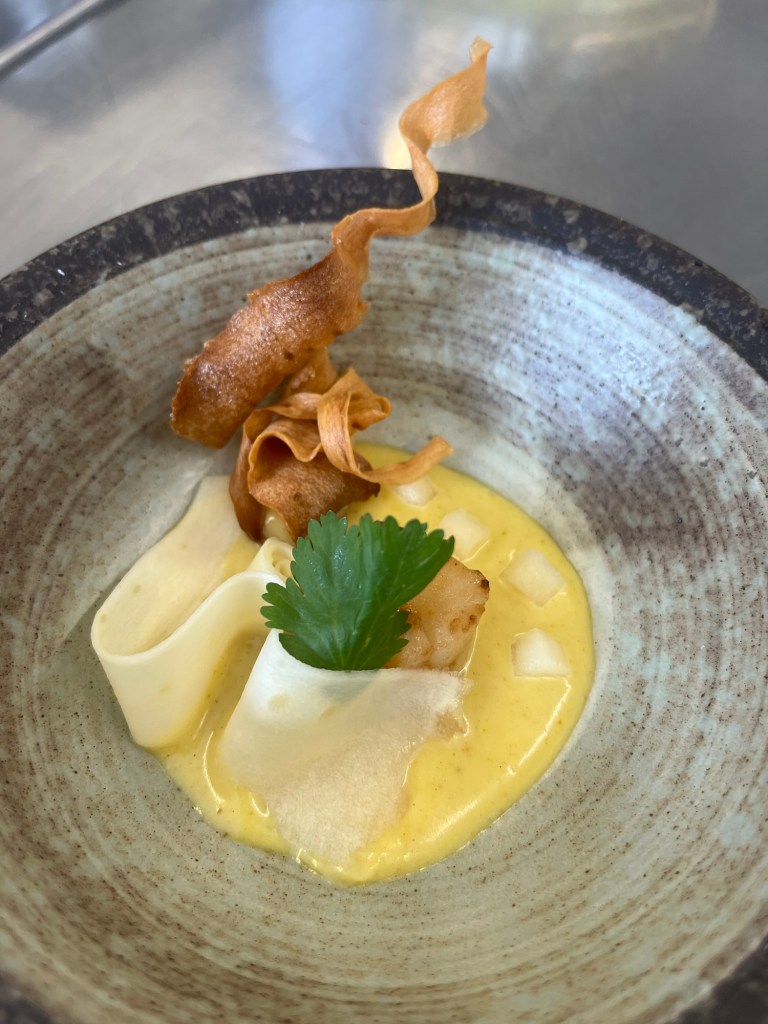
    Killing a scallop is considerably less aggressive: a palette knife scraped against the top of the shell before gradually and carefully releasing the meat and the roe. After a quick pan fry, the juicy, fat, scallops were served with a light curry mayo, parsnips two ways and brunoise pink lady apple. In the afternoon, we tried out some vegan cooking in the kitchen. A spicy tempeh served in gem lettuce cups with with a citrus-spiked edamame salsa. A tasty, if somewhat, dense mouthful.

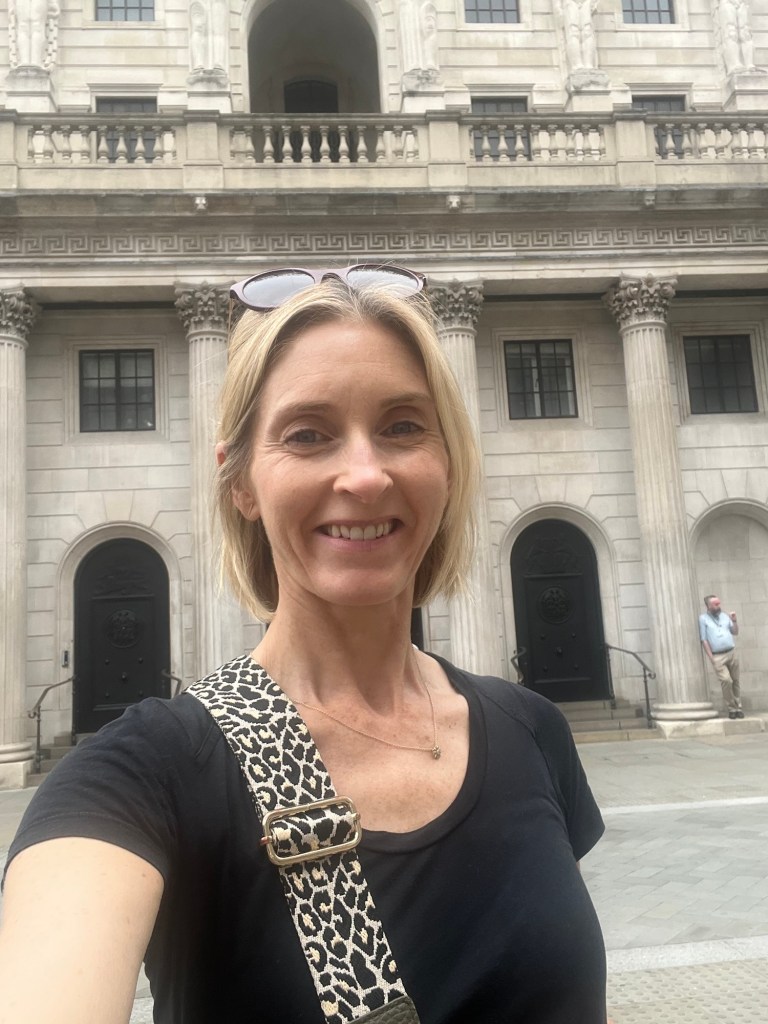
    Friday marked my last working day on Bank of England books, having taken voluntary redundancy with a view to pursuing a new career in food. I marked the occasion by returning to the office one last time to hand-in my laptop and phone and send a farewell email to colleagues and friends made over the past 21 years. A selfie in front of the Old Lady, a quick swallow back of some nostalgic emotion, and then back across town for an afternoon with scallops. Super to get to grips with preparing from scratch, but there was one dead one in the mix which was so foul-smelling it was difficult to concentrate even after it had been binned. The combination of the plump scallop, basted in butter and lemon, with the warmth from the curry mayo, the acidity of the pickled parsnip and apple and the crunch from the parsnip crisp was a scrupmtious end to another delightful week.

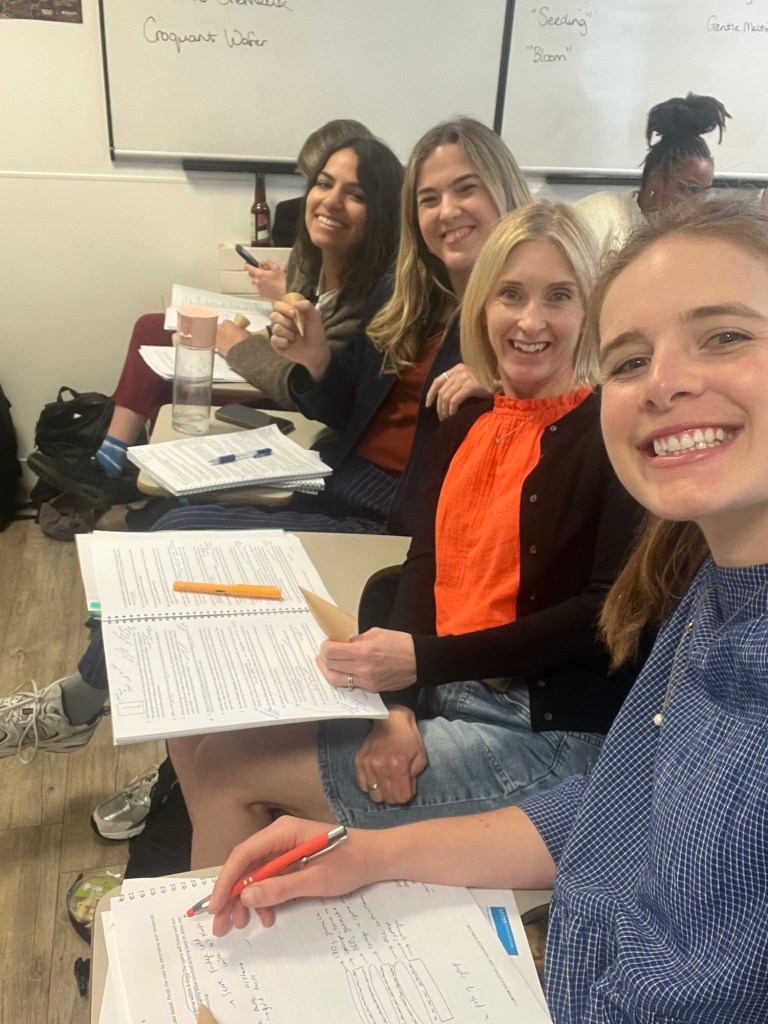
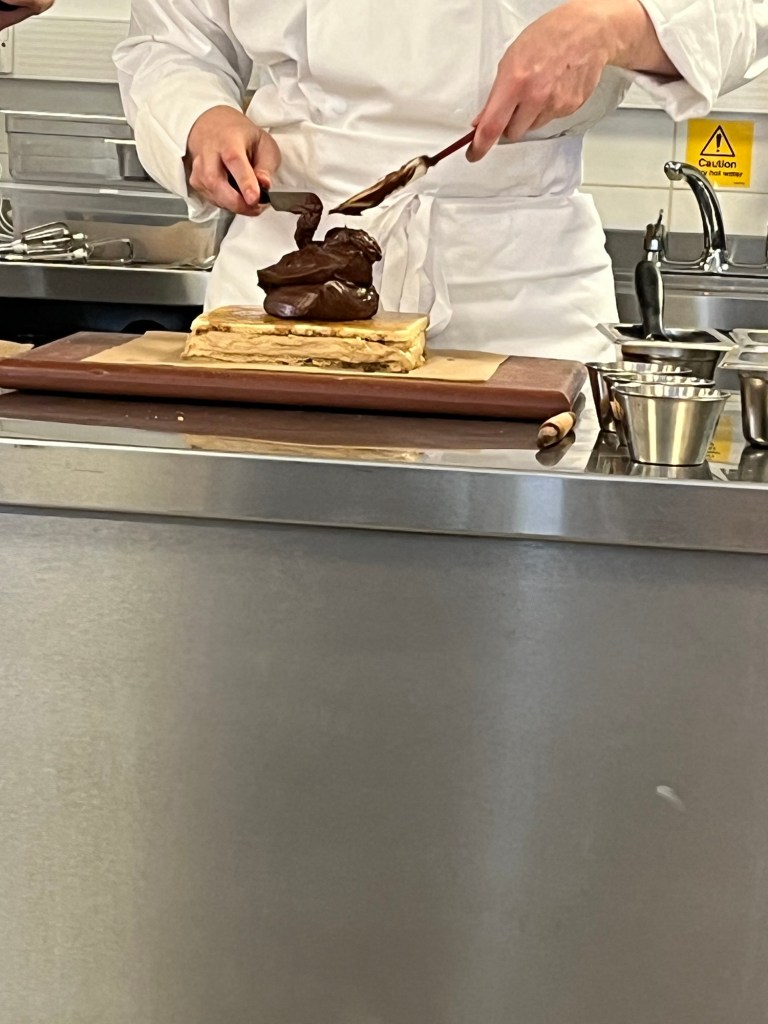
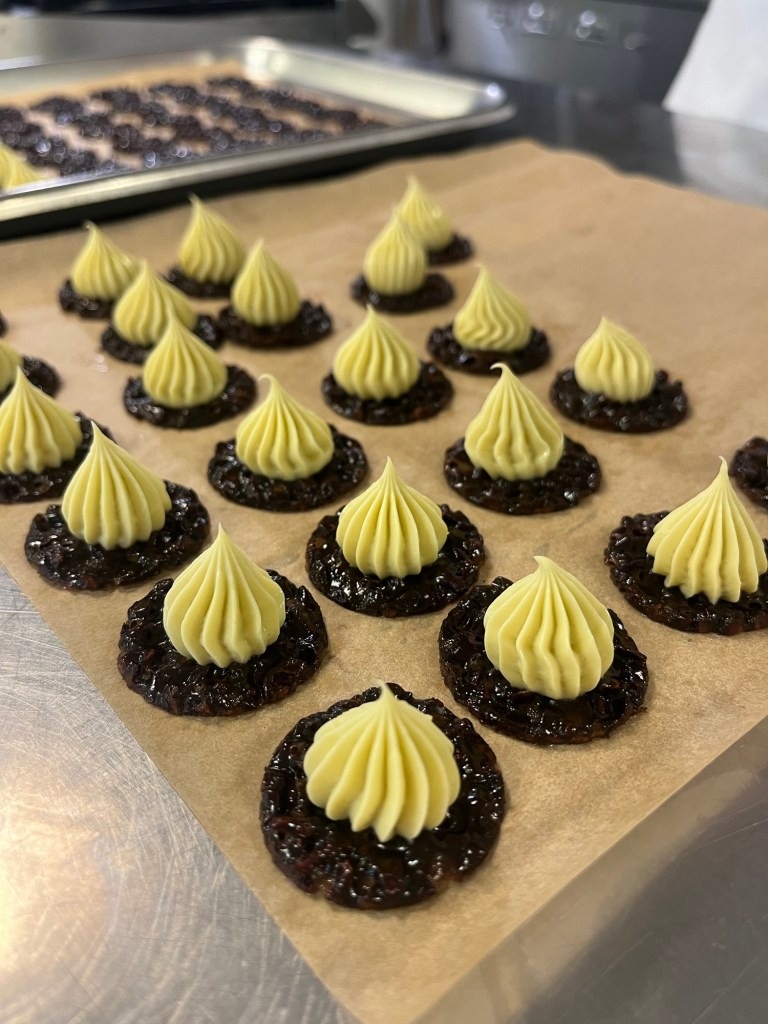
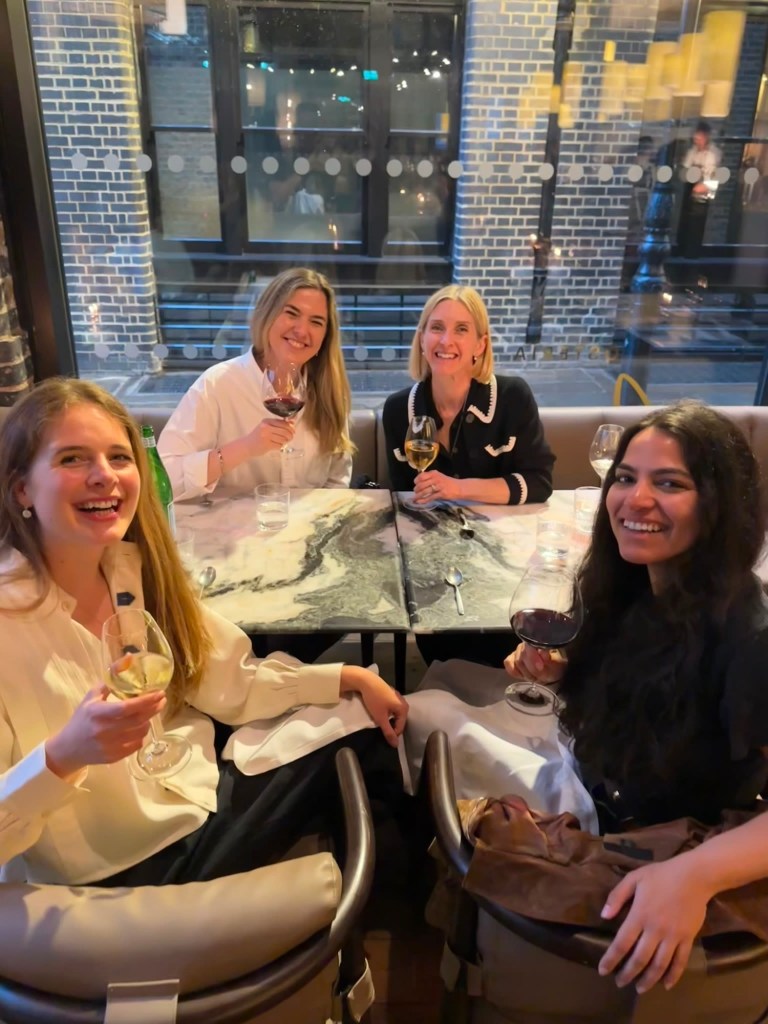
  • The end of half term and a huge highlight to finish on: an all day chocolate extravaganza with the entire year group (see pic for how delighted we are to be reunited). Pastry expert, Caz, and side-kick, Ryan, together chaired a chocolate World Cup in addition to attempting to temper chocolate and build an opera gateau in 25 degree heat. As expected, they triumphed and we were engrossed and in awe (and salivating in anticipation of tasters). Watching each of the components for the opera gateau be created and assembled certainly showcased the sheer decadence of the dessert. Three layers of jaconde sponge brushed with coffee syrup, one fat smooth layer of coffee French buttercream, two layers of rich chocolate ganache, and all finished with a chocolate mirror glaze, gold leaf and tempered chocolate decorations. It tasted exquisite. After lunch break, we were taken through the theory and practice of chocolate tempering. Caz then literally got her hands dirty hand-rolling salted muscovado caramel truffles. We were taught the seeding method of tempering using a conga analogy to assist our understanding. The seed (unmelted chocolate) is added to the melted chocolate. The mix needs to be agitated to encourage the chocolate crystals to circulate like a popular person at a party attracting others to join the conga line. If you don’t agitate, no conga, and no tempered chocolate. We learnt about shaping chocolate, creating delicate chocolate leaves, collars and pretty prints. All of which we’ll have the chance to try our hand at in a couple of weeks. The final flourish was a pistachio cremeaux paired with a chocolate croquant wafer served as a miniature take-away canapé. And off we went smiling into the sunshine-soaked Bank holiday weekend.

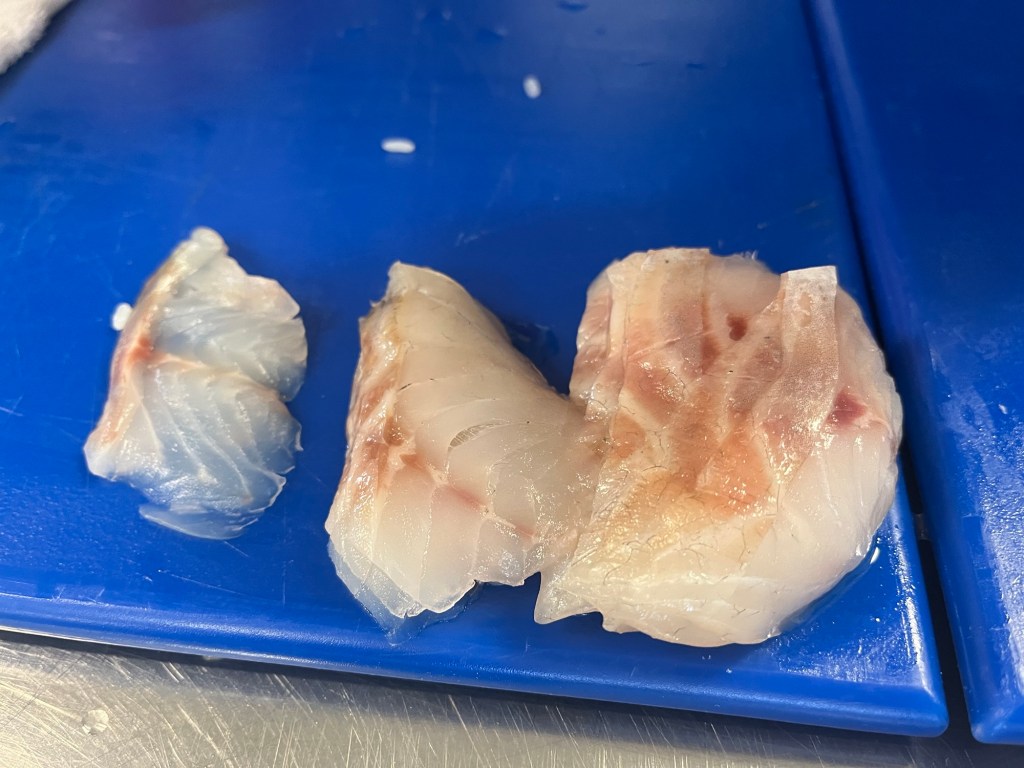
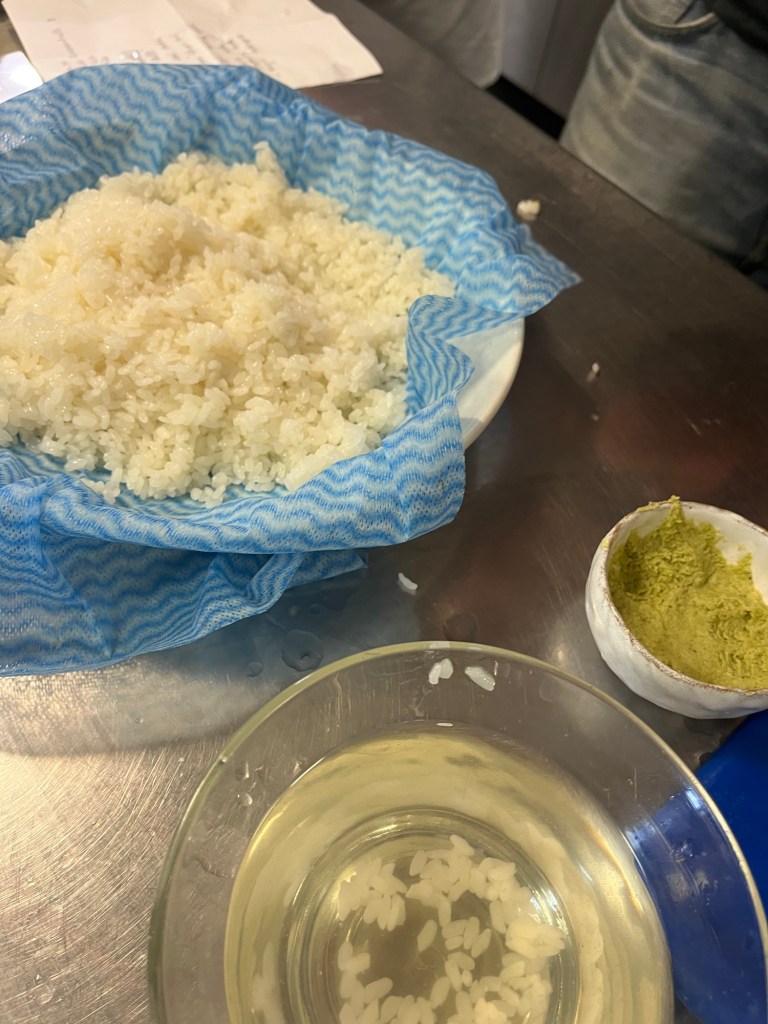
    But let’s back up to all the enjoyment of the beginning of the week. Monday began with a relaxed skills practice session. I had selected puff pastry and beurre blanc. The former because it’s never a bad idea to have a block of puff in the freezer ready for baking; and the latter because of the three times we made it, I managed to mess it up for an assessment. Practice makes perfect and, of course, when under no pressure, it held form. In the afternoon, we had a fascinating insight into Japanese culture with a sushi chef. Watching him fillet a sea bass was both impressive and beguiling. Plus we learnt about the preparation and seasoning of sushi rice of which you’d be forgiven for underestimating the importance. The session ended with us each devouring a hand-rolled sea bass nigiri.

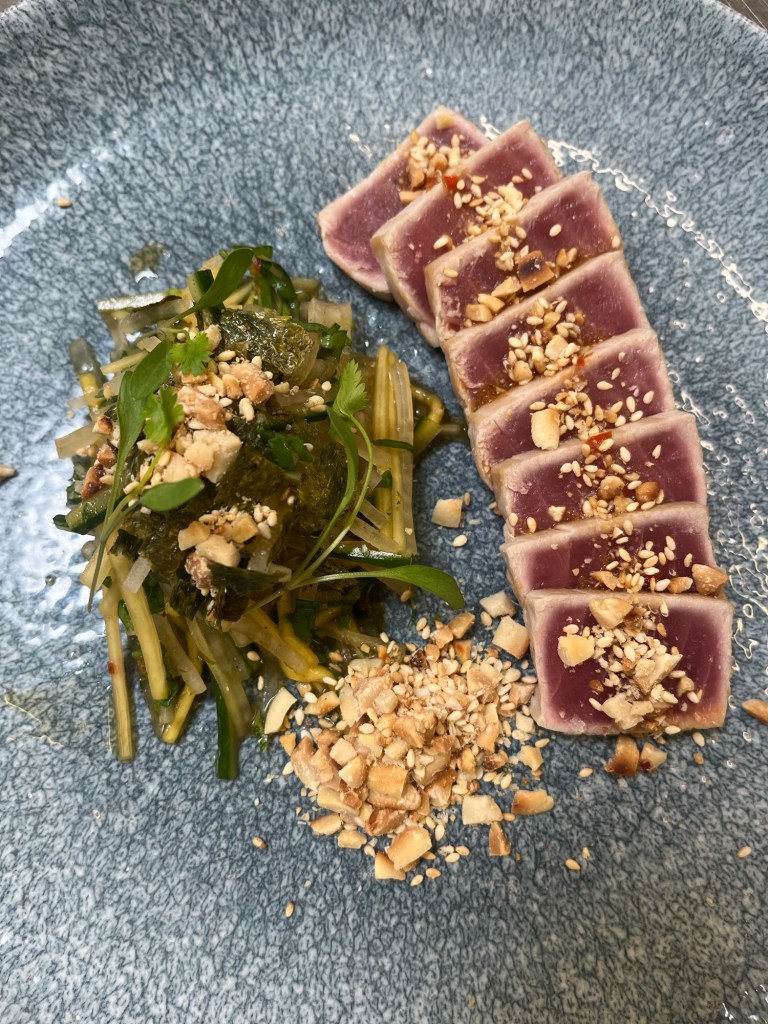
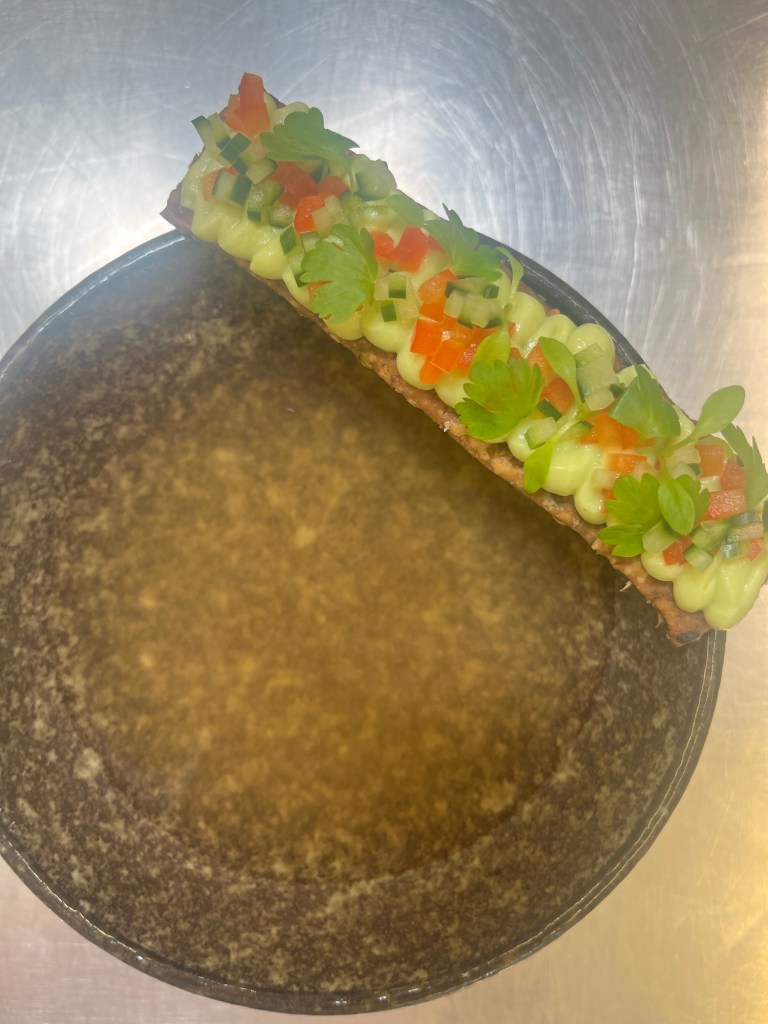
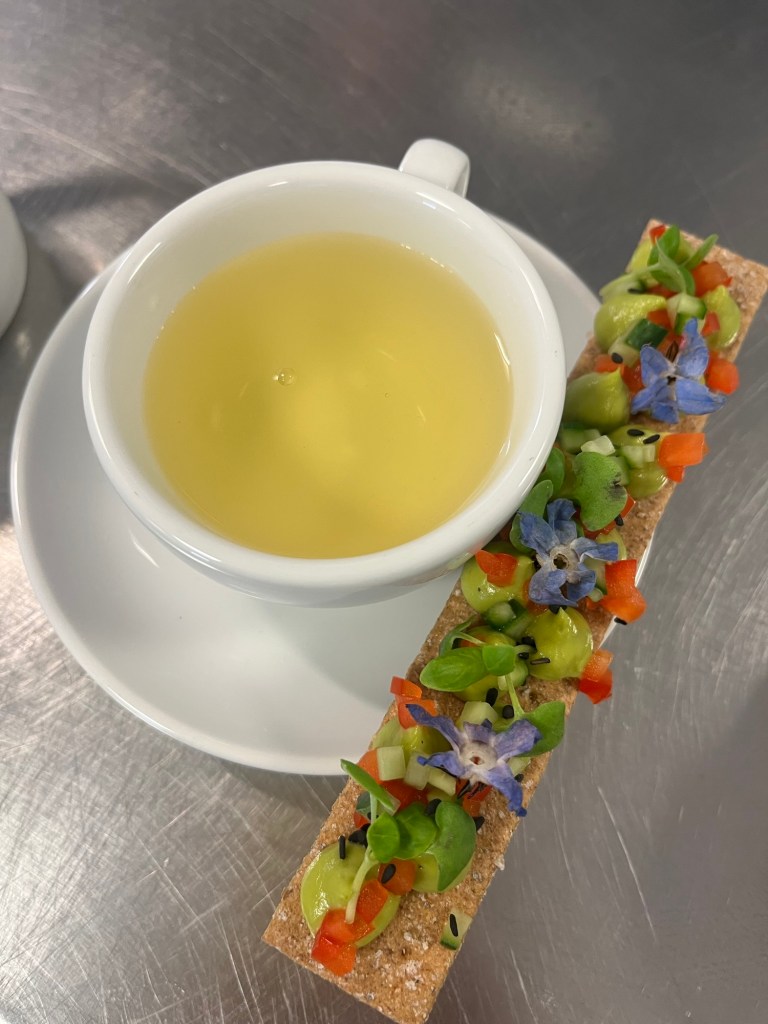
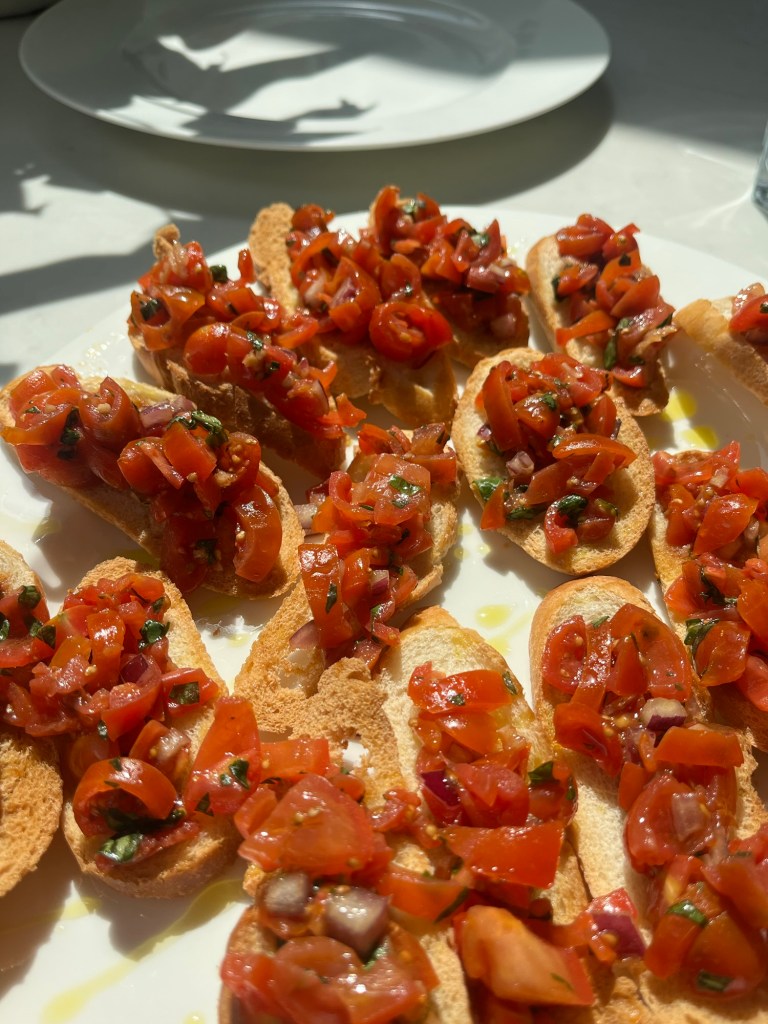
    On Tuesday, we practiced our knife skills and seared a yellowfin tuna steak to create a delicious lunch of tuna and green mango salad. We also prepared for our second type of consommé: a tomato essence. A kilo of vine tomatoes were roughly chopped and left to infuse overnight with basil, chervil, garlic, fennel and plenty of sea salt. This recipe is absolute genius; once passed through a chinois the resulting clear liquid has the aroma of the ripest vine tomatoes freshly picked on a warm, breezy day. The remaining solids are also a flavour bomb and can (must?!) be repurposed as a topping for bruschetta or tossed through pasta with a dousing of EVOO. To pair with the tomato consommé, we made a crisp cracker enhanced with seeds and sesame oil, and dressed with avocado puree, petit brunoise cucumber and pepper, and micro herbs. An absolute delight!

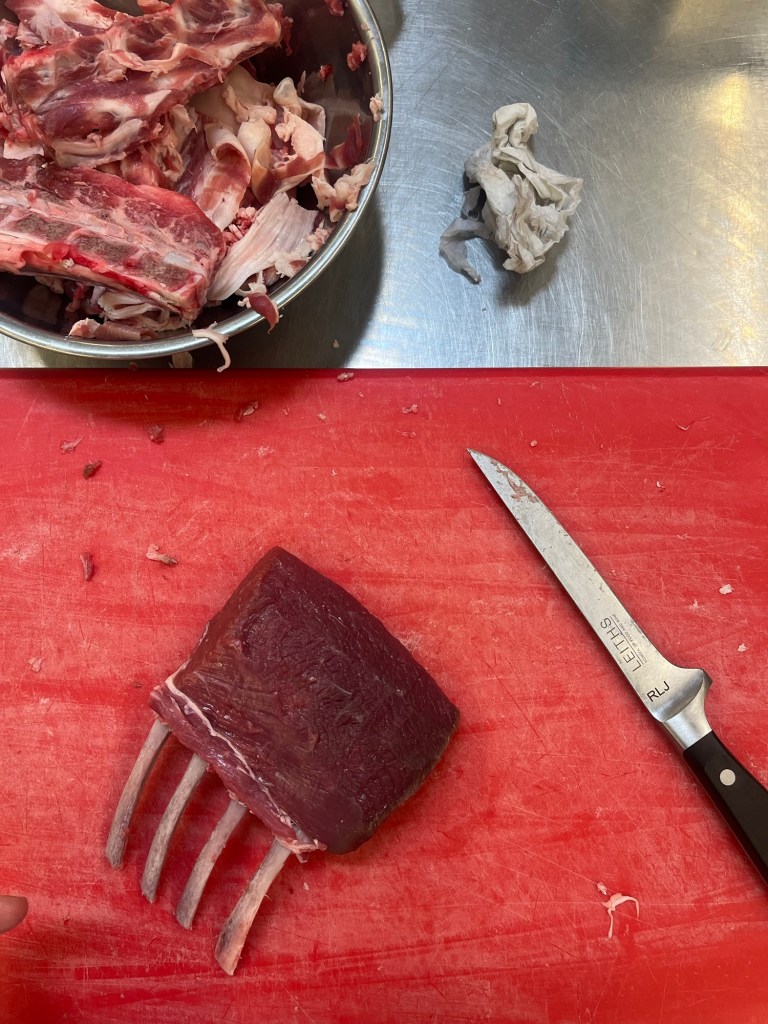
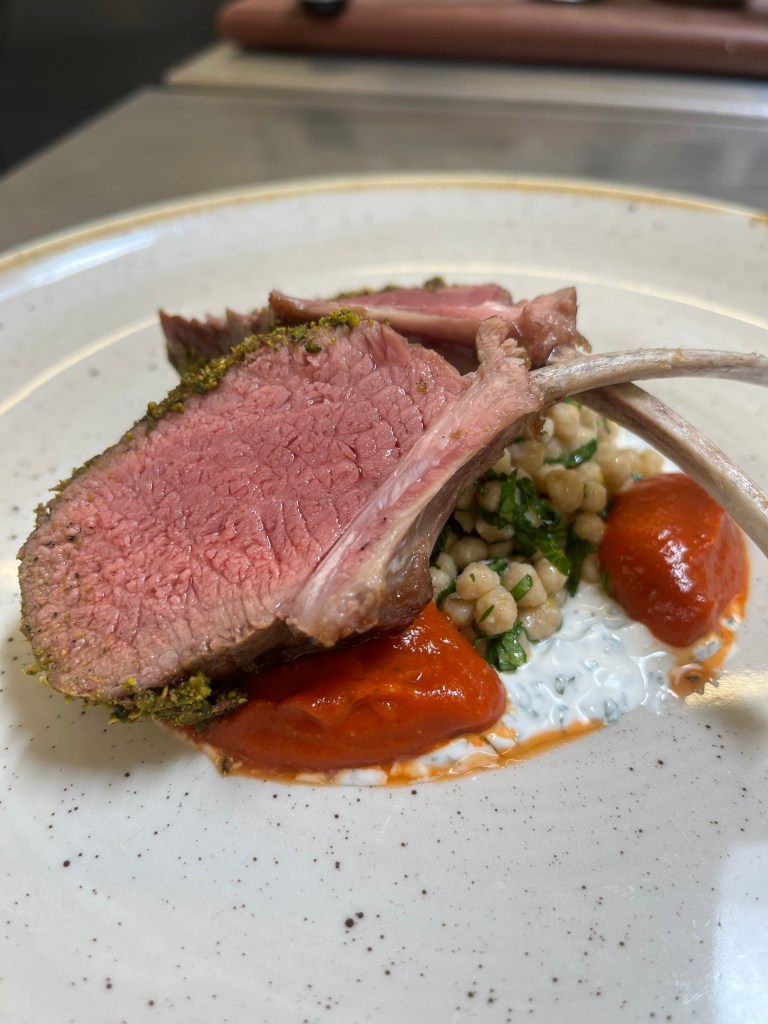
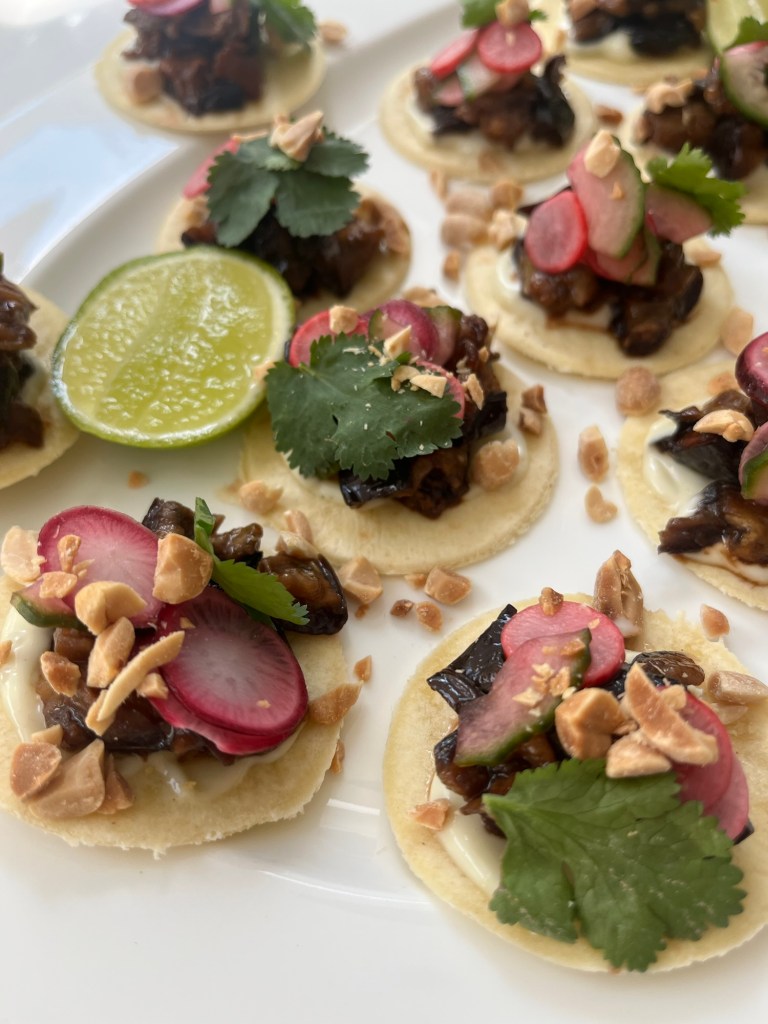
    Our first dem of the week was lamb butchery. We were taught how to make a fancy shmancy French trimmed rack of lamb and how to tunnel bone a leg which was transformed into koftas for some piquant Mexican lamb tacos. We prepped and served the rack of lamb ourselves on the following days. I really enjoy these sort of tasks where you carefully and methodically prepare a piece of protein for cooking, similar to filleting a fish. There’s a lot of fat and sinew to remove from the lamb as well as the satisfying task of cleaning the bones. This dish had something of a Middle Eastern vibe and was served with harissa puree, maftoul salad, minted yoghurt, with the lamb cutlets dipped in pistachio dukkah.

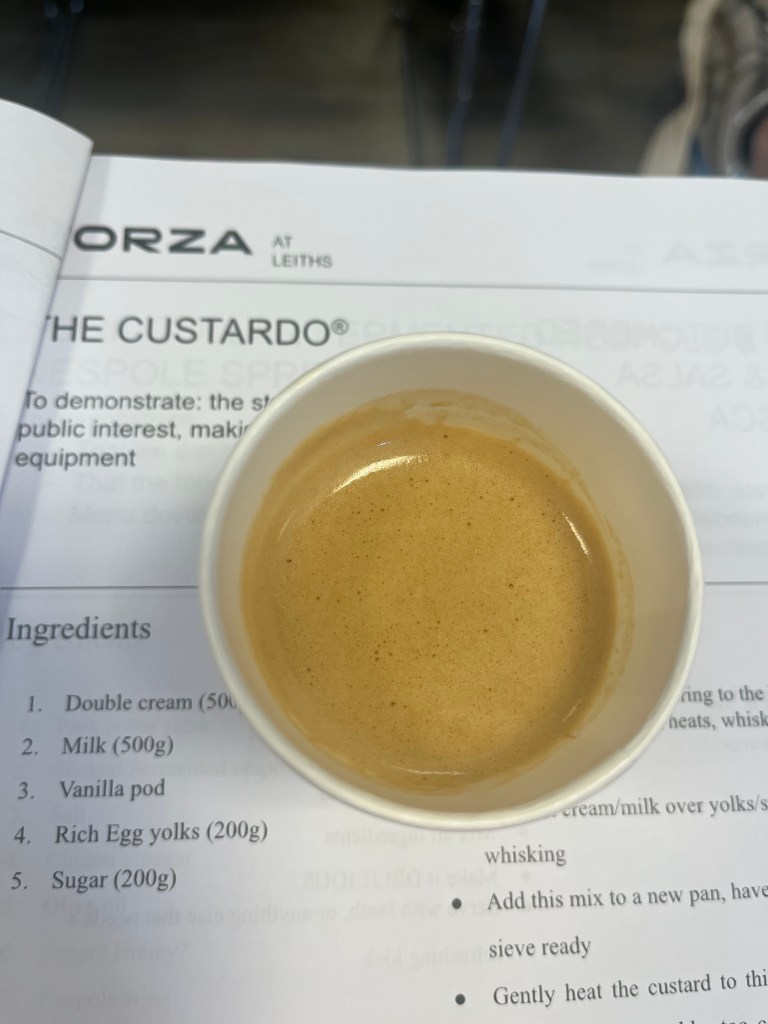
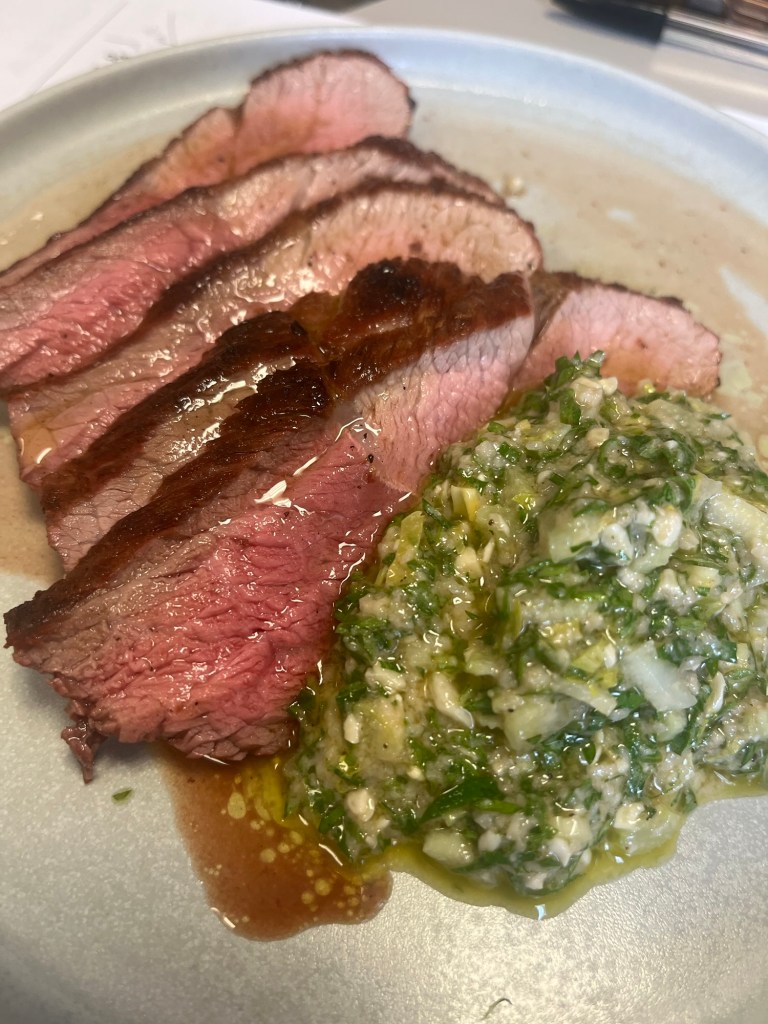
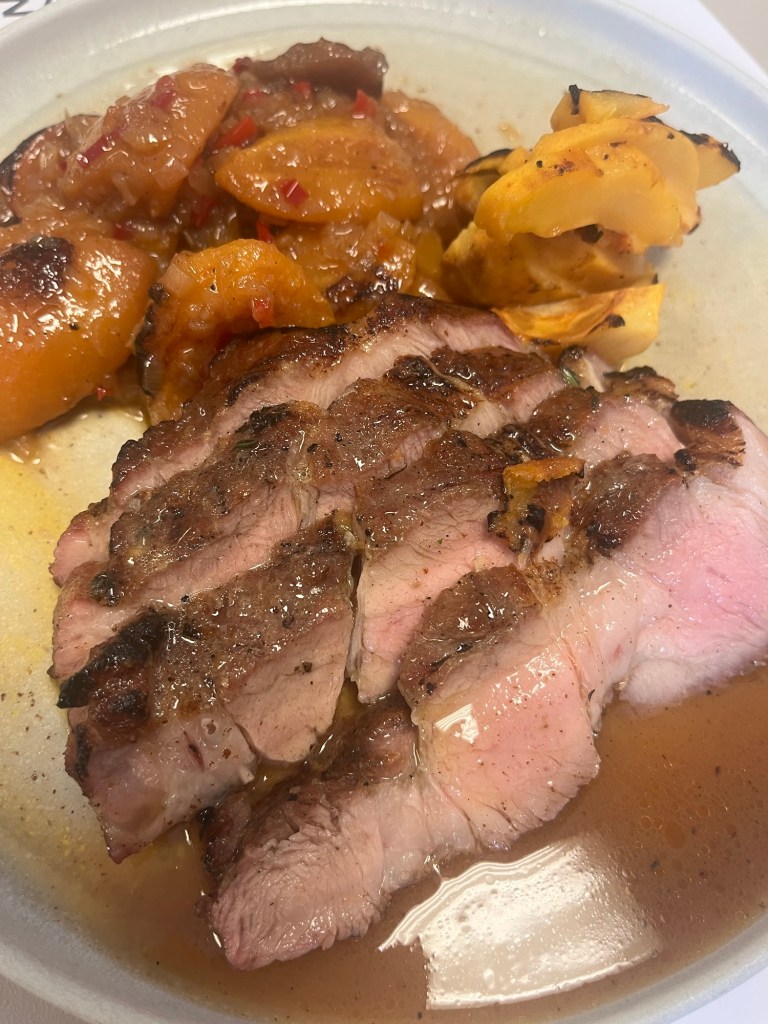
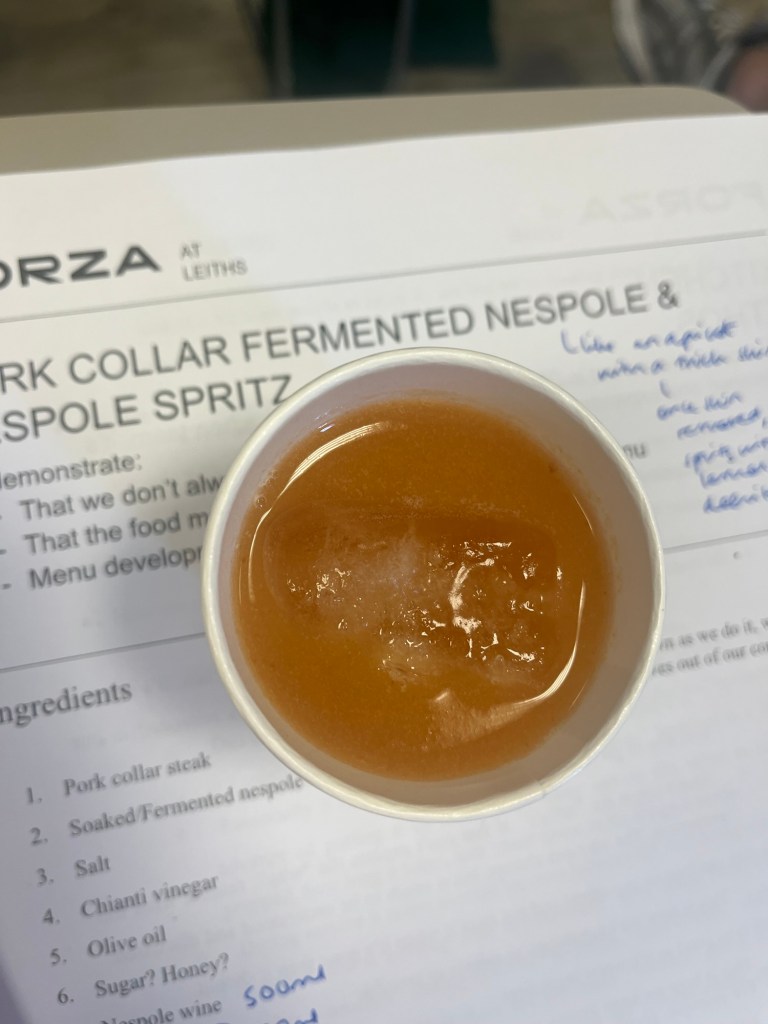
    More delicious lamb, and pork, came that afternoon with a thoroughly enjoyable and informative guest dem with Michael Lavery from Forza Wine. We knew the session was going to be excellent when it began with a serving of their trade-marked ‘Custardo’. A blindingly simple yet outstanding combo of custard and espresso. Less of a dessert than an affogato and more comforting than your basic post-dinner latte. Their lamb was BBQ’d and served with salsa etrusca (similar to a verde but with celery, parsley, rocket, pine nuts and red wine vinegar); and the pork with a Nespole chutney. Major nostalgia for me with the latter: one of the first dishes I made with my mum (for a Brownie badge) was an 80s Cordon Bleu classic of pork with apricots. Alongside the pork, they served a Nespole spritz cocktail made with Rum and a Nespole fruit syrup. Not surprisingly, our entire year group now wants a stage / job at Forza wine. They certainly know how to attract employees.

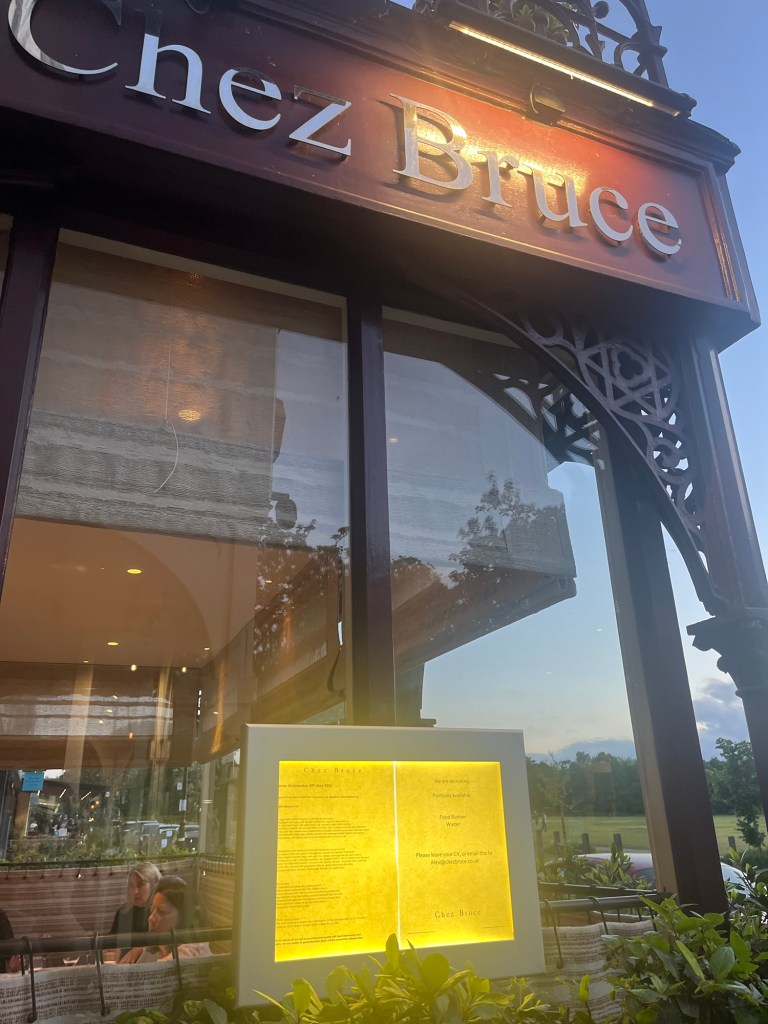
    All this plus a stage at Chez Bruce, the Michelin star restaurant next to Wandsworth Common. An absolute privilege to be in the kitchen observing and tasting the incredible food, as well as a nerve-wracking chance at plating a few starters for service. I was lucky enough to be there on a quiet night so the team of chefs were generous with their time and guidance; and I left having sampled nearly every dish on the menu 🙂

  • Some high highs this week: making croissants (successfully) for the first time and a shift at The River Cafe which threatens to break my resolve of not working in restaurants.

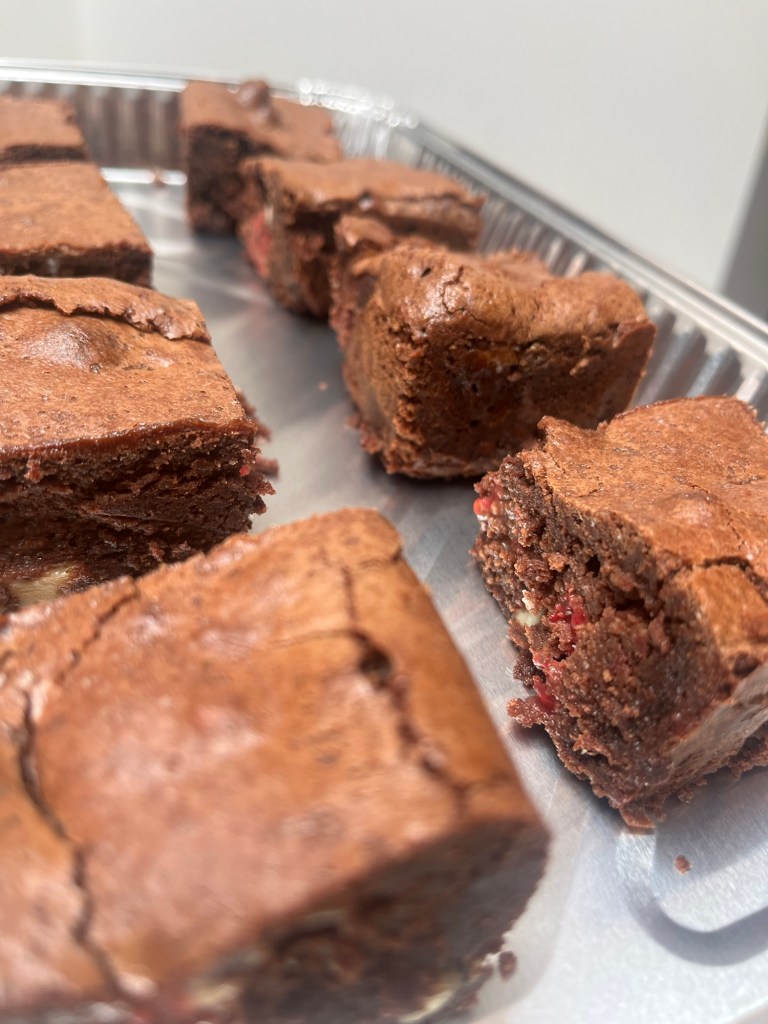
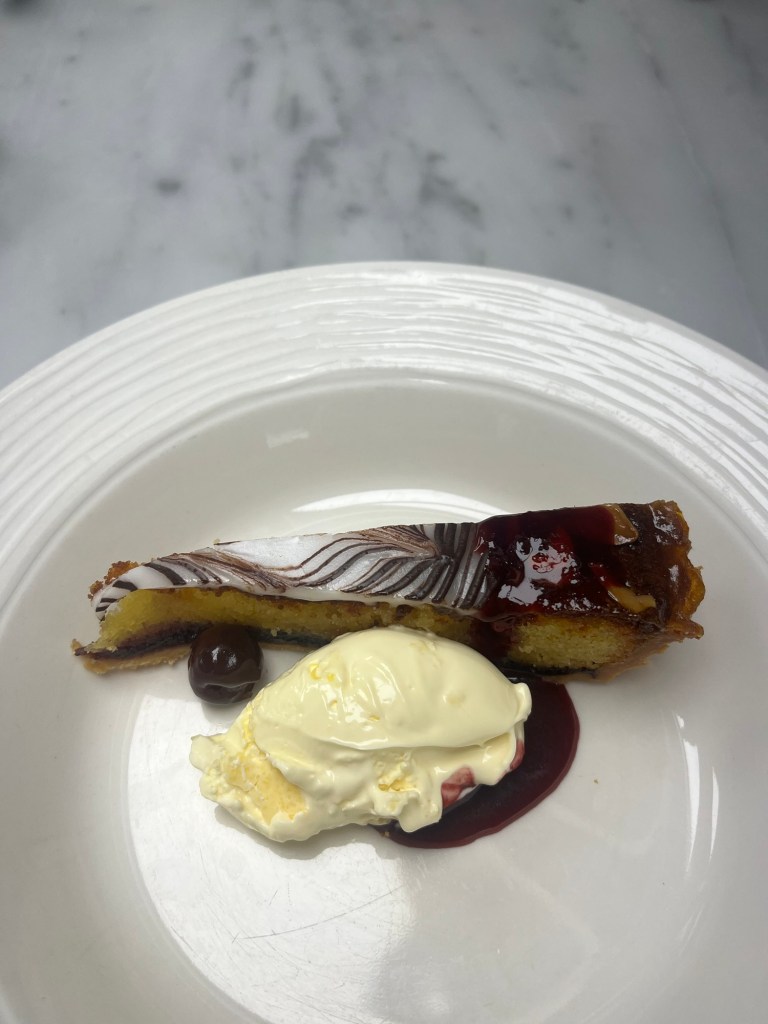
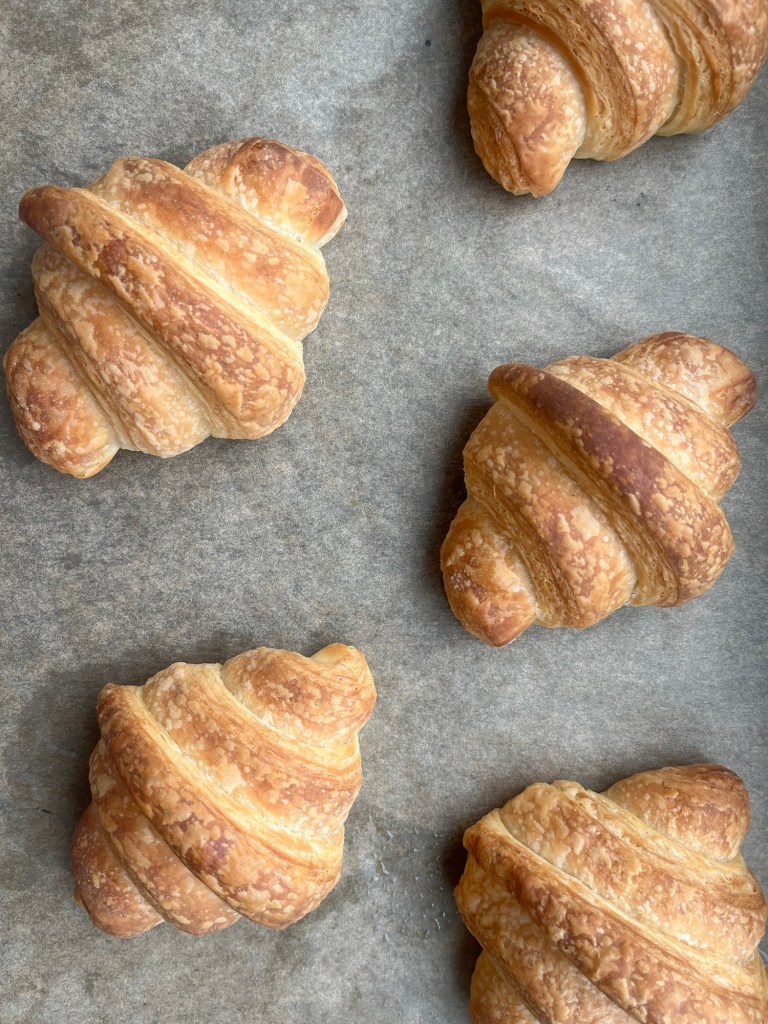
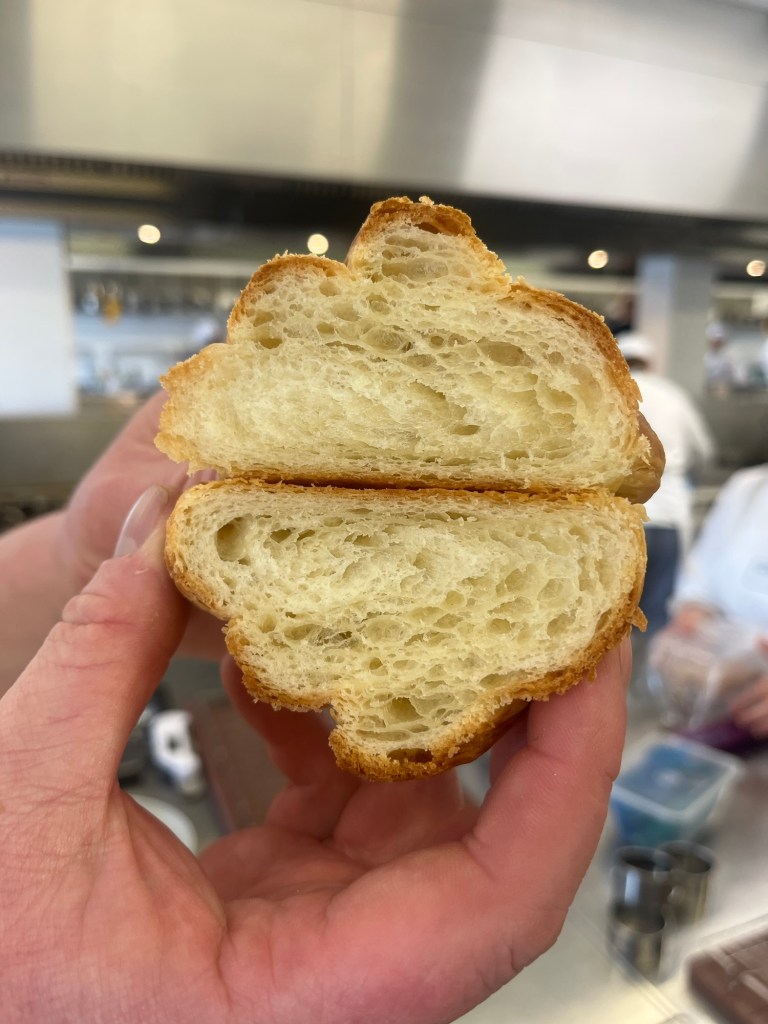
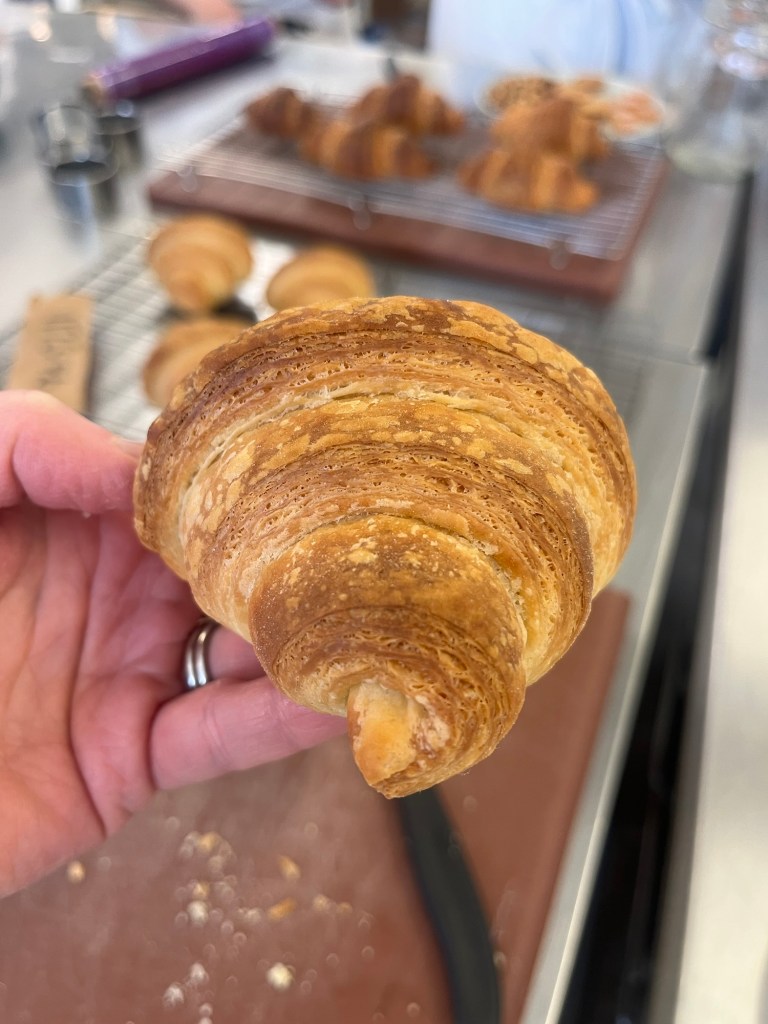
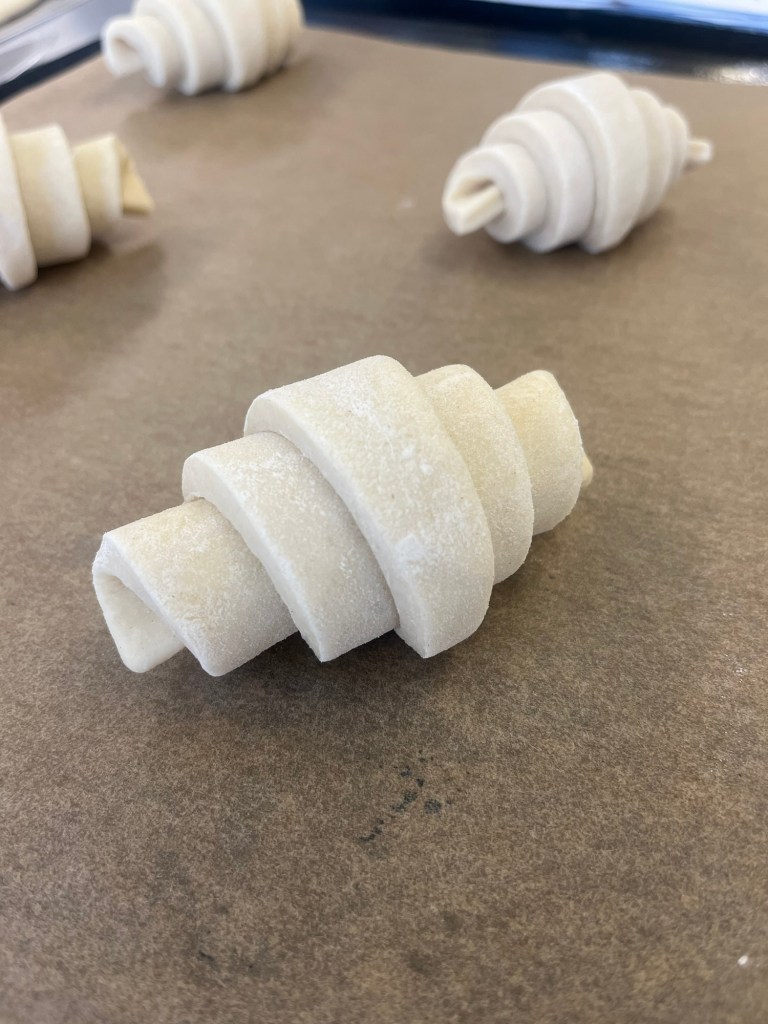
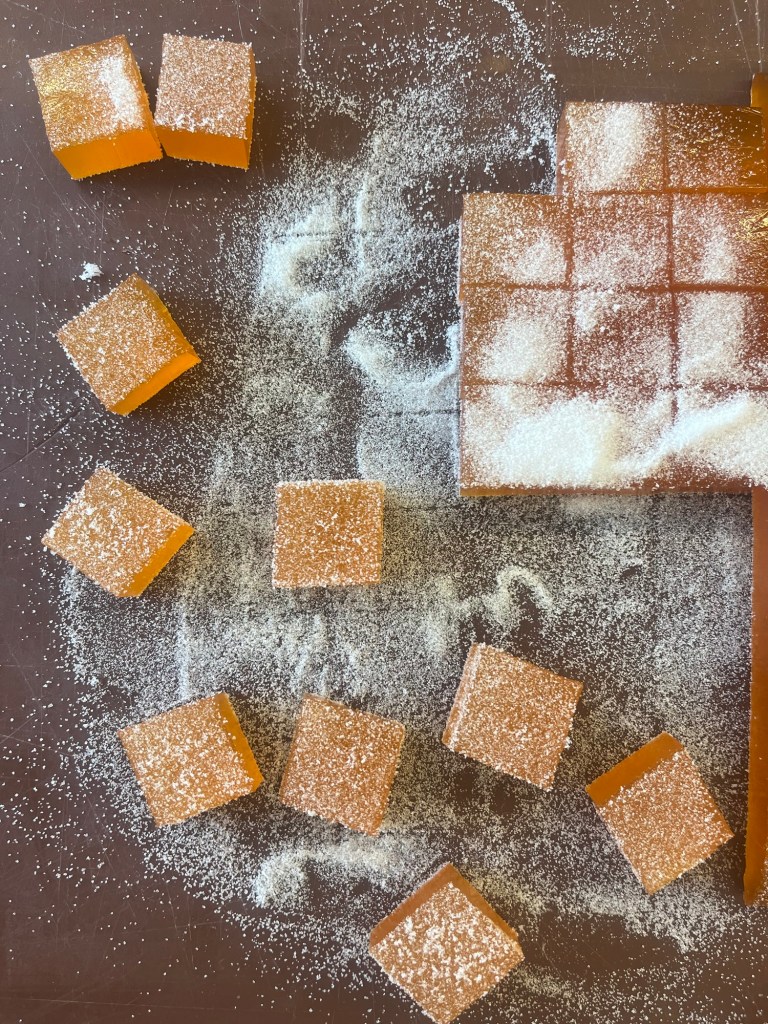
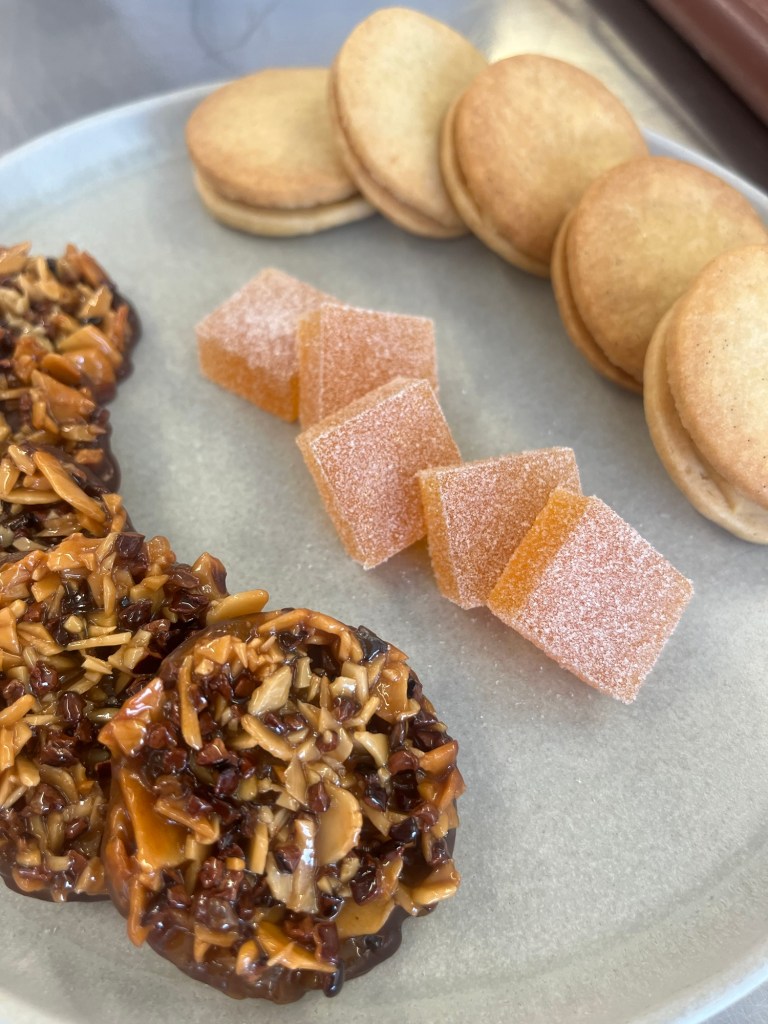
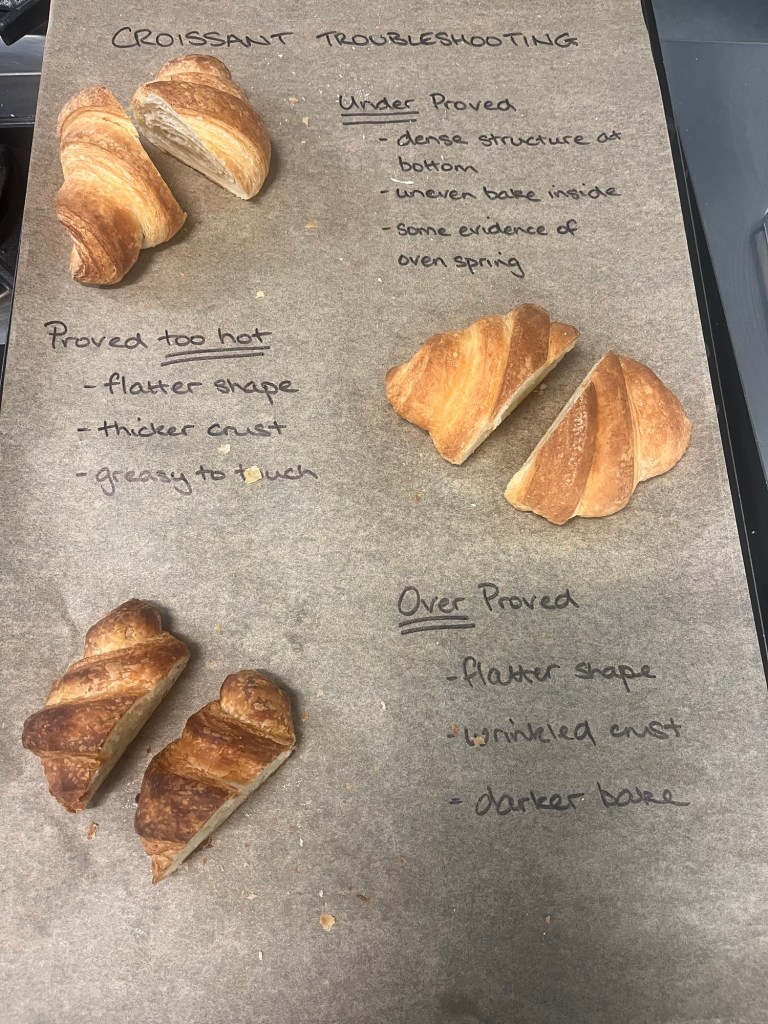
    The croissants were a 3 day labour of love. Day 1: make the detrempe and the butter block; day 2: laminate with four rolls and folds; day 3: shape, prove and bake (and, of course, eat, with lashings of Bonne Maman apricot jam). The final bake was part of an all day sweet cook which also involved Kouign Amann (made from the croissant scraps), passion fruit pate de fruit, dark chocolate florentines, and sable biscuits with caramelised white chocolate ganache. Quite the bounty to take home for the weekend. This was undoubtedly our most enjoyable all day cook. Paddling melting white chocolate as it increasingly became caramelised; baking delicate sable dough into thin, crisp biscuits for sandwiching, meditatively brushing melted chocolate on to the baked florentines. And such a pretty plate to present at the end of the day.

    Another highlight of the week was an early morning trip to Billingsgate fish market. Our guide was an incredibly knowledgable lady called CJ, who set up the seafood school at the market twenty years ago. What she doesn’t know about fish isn’t worth knowing. She also has excellent relationship with all the sellers so we got lots of insider info on prices and promises of deals should we wish to purchase for our businesses in the future. Many rounded off the trip with a Billingsgate cafe classic: the scallop and bacon bap. All I could face at that early hour was a hot chocolate.

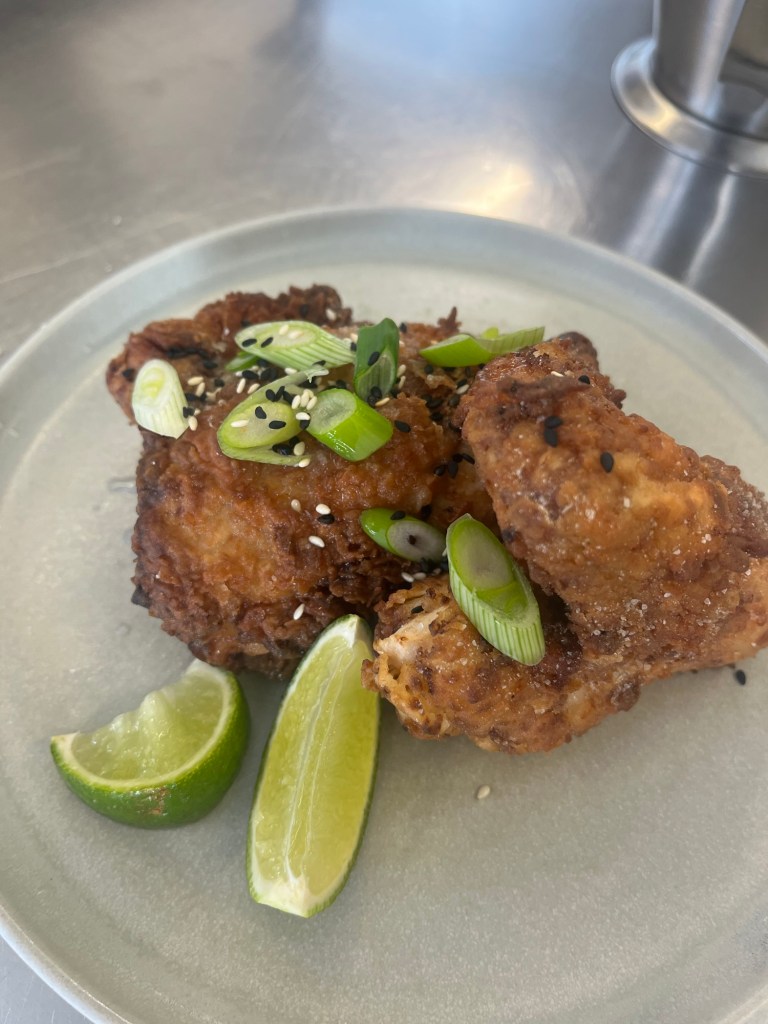
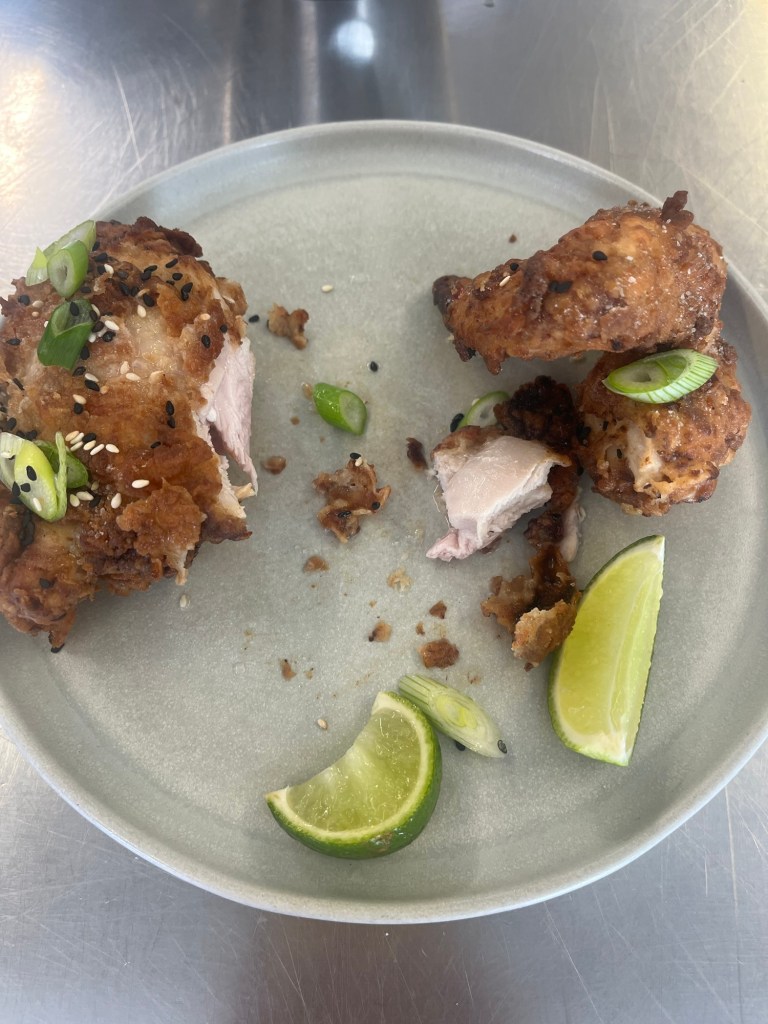
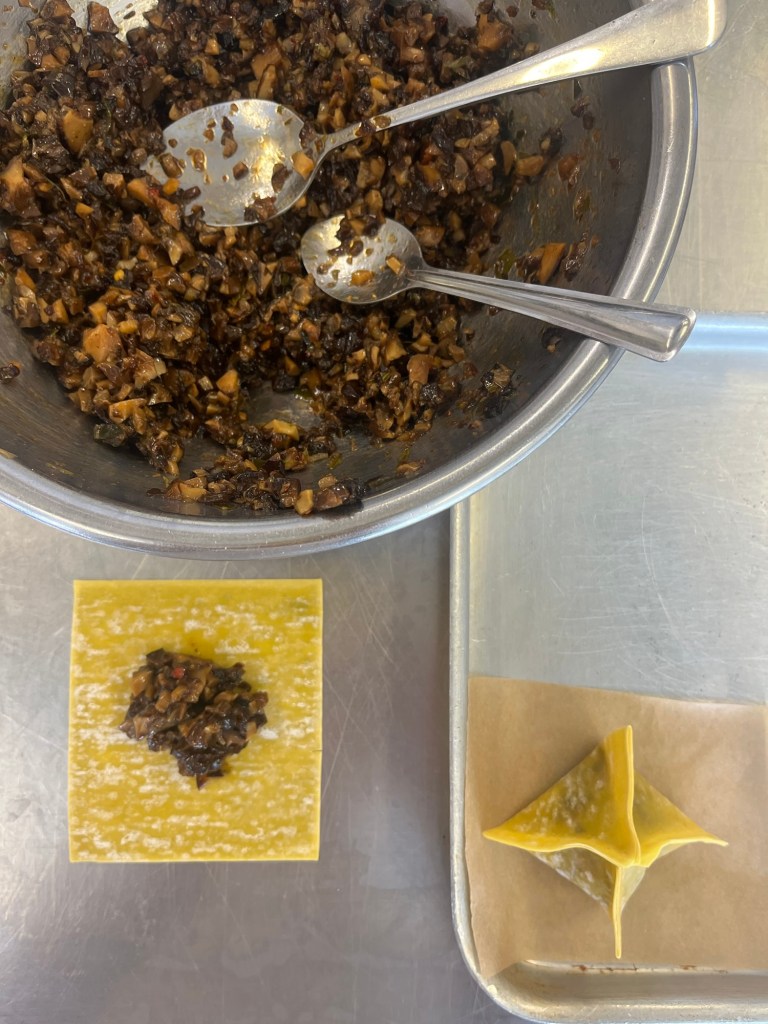
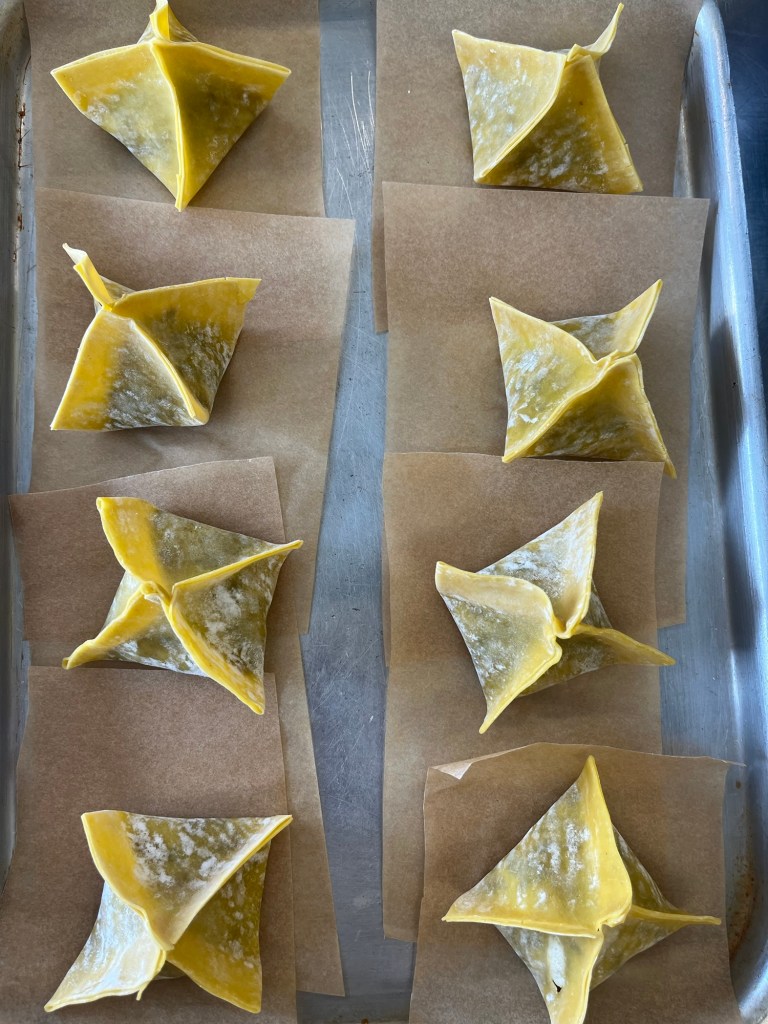
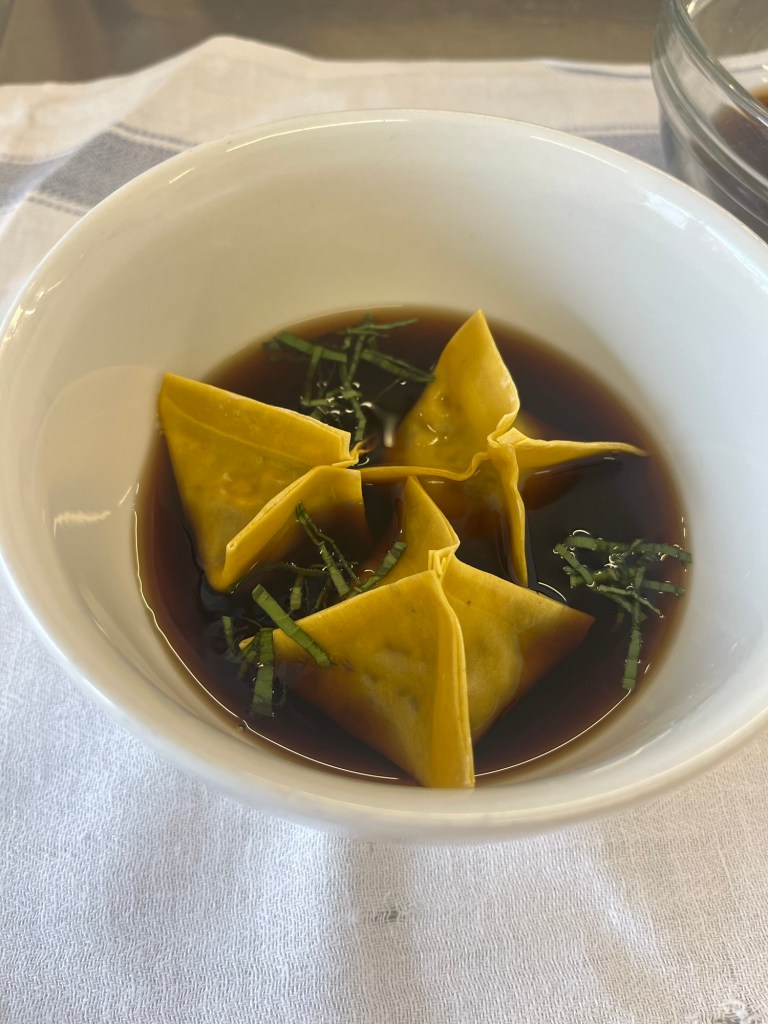
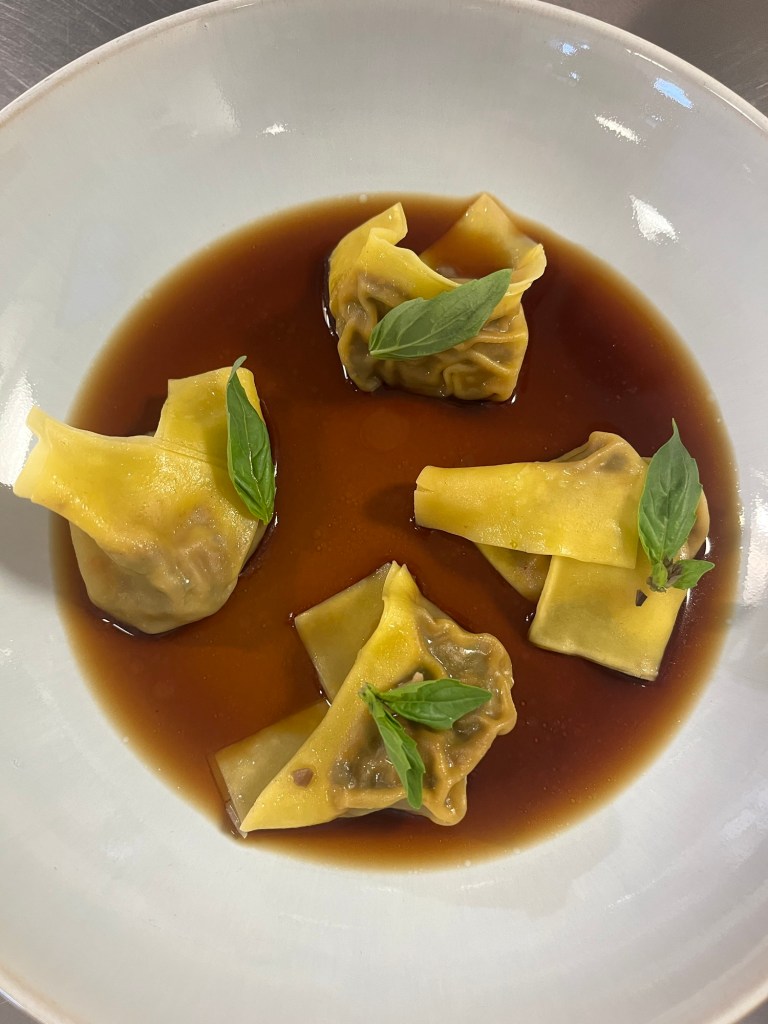
    Our sleepiness was given a further sugar injection with a petit four class later that morning covering everything for the all day cook plus a delightful little lemon meringue financier with a roasted lemon jam and Italian meringue. We had to dig deep to stay awake for the afternoon cooking session. The making of consommé (as described last week) could be considered as something of a faff. But when you see the results of your crystal clear yet deeply flavoured liquid adorned with delicate mushroom dumplings and Thai basil it almost seems worth it. Sadly, no takers for my efforts in my house as the mushroom is vegetable non grata. In a throwback to foundation term, we also jointed a chicken, slathering the components in a buttermilk dressing to marinate ahead of deep fat frying later in the week.

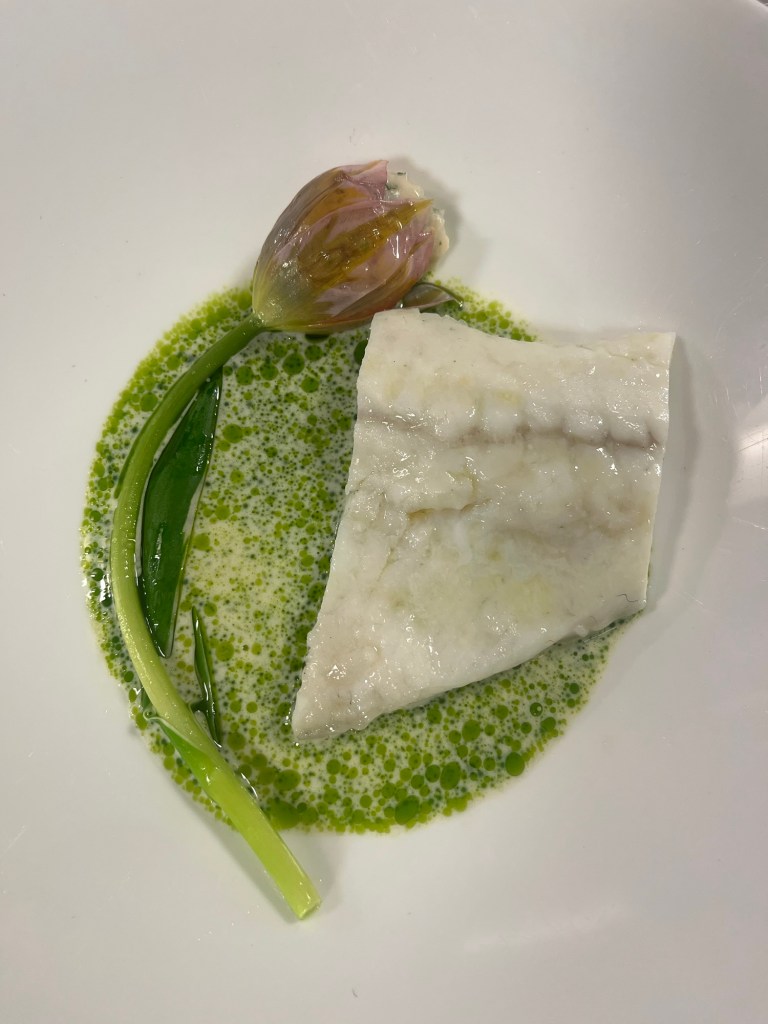
    Our guests this week were Ollie Dabbous of Hide fame and Ruby Bell, founder of By Ruby frozen meals. Ollie was a chef to behold. Each element of his dish prepared with such precision and consideration; the resulting plate an absolutely joy to behold and taste, including the steamed tulip filled with crab and scallop mousse. Ruby was an inspiration for any of us considering setting up our own business – she shared her learnings generously and challenged us to pitch a food business idea for her to critique.

    Another throughly enjoyable week with new and old muscles flexed and honed, and ever more delicious food devoured.

  • I end week three with brain and belly full. So much to learn and eat and so little time. Our sessions in the kitchen this term are intense with multiple techniques to master and deliver within ever shortening service windows. In the classroom, new techniques and ideas abound. We end the day at capacity only to come home to prepare for the following day: creating time plans, watching skills videos and revising theory. I couldn’t love it more; I just wish it would all slow down so I could keep up with the pace and revel in my enjoyment.

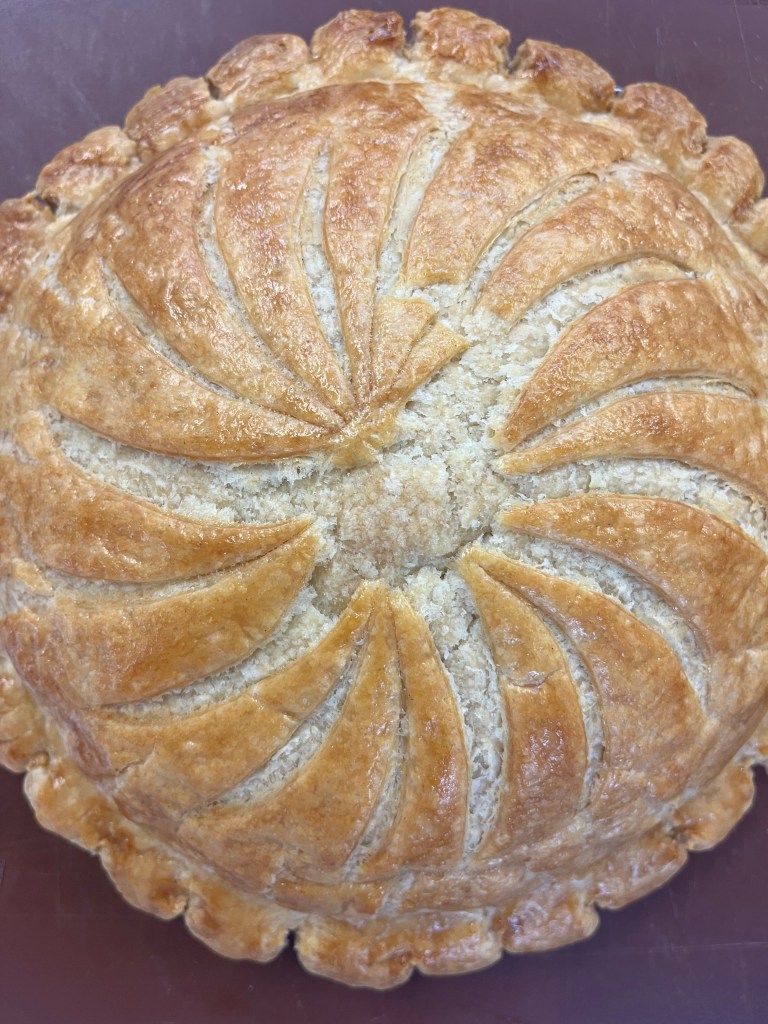
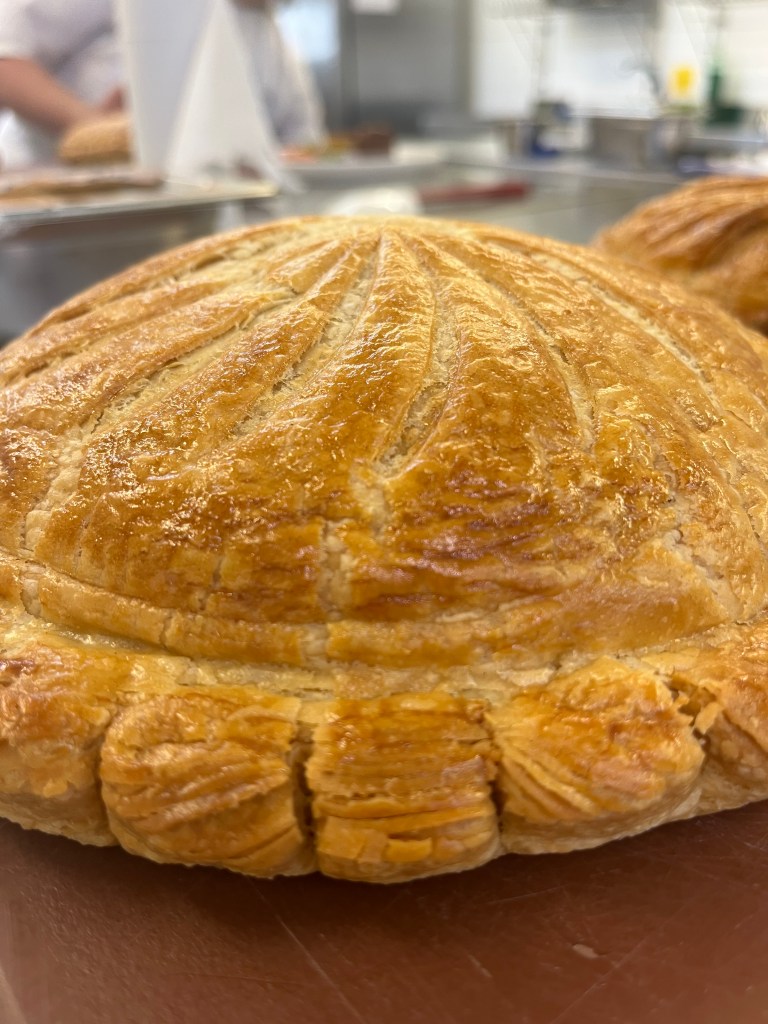
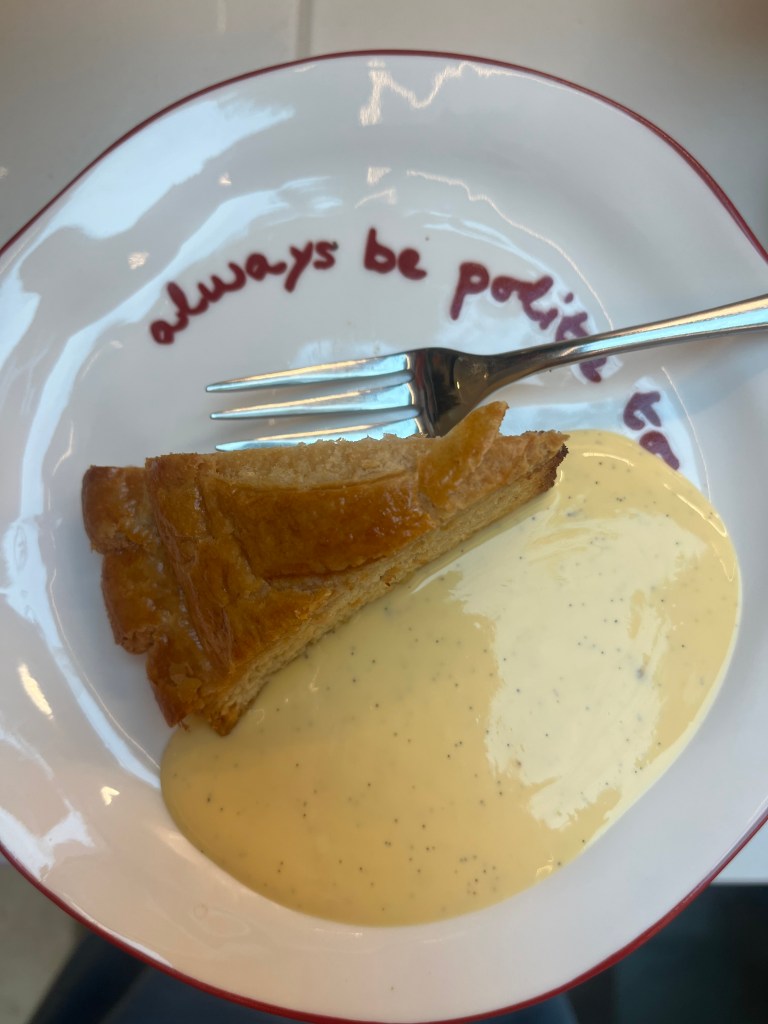
    Following a busy Bank holiday weekend, I was grateful for mise en place kitchen sessions on Tuesday and Wednesday. Both of which were building up to what was to be an epic cook on Thursday. But before that, the calm precision and efficiency of making puff pastry, a frangipane ‘puck’ and creme anglais. (You know you’ve been at culinary school too long when your 8 year old daughter calls custard ‘creme anglais’ and comments on its quality.) On Wednesday, we continued with the puff and frangipane, assembling them into a beautifully scored and scalloped gateaux pithivier. Next we carefully mandolined potatoes before coating them in thyme-infused butter and layering them tightly in a loaf tin. After baking, we topped the tin with weights to ensure a perfectly pressed terrine. We also began a Malbec and bone marrow jus. Browning the meat trim and veg to achieve the right level of caramelisation for maximum flavour; then monitoring the bubble in the pan to ensure enough movement so it’s not stagnant but not so much that you risk a cloudy result. Painstaking skimming of fat and impurities is also essential for the three c’s of a jus: clarity, concentration and consistency.

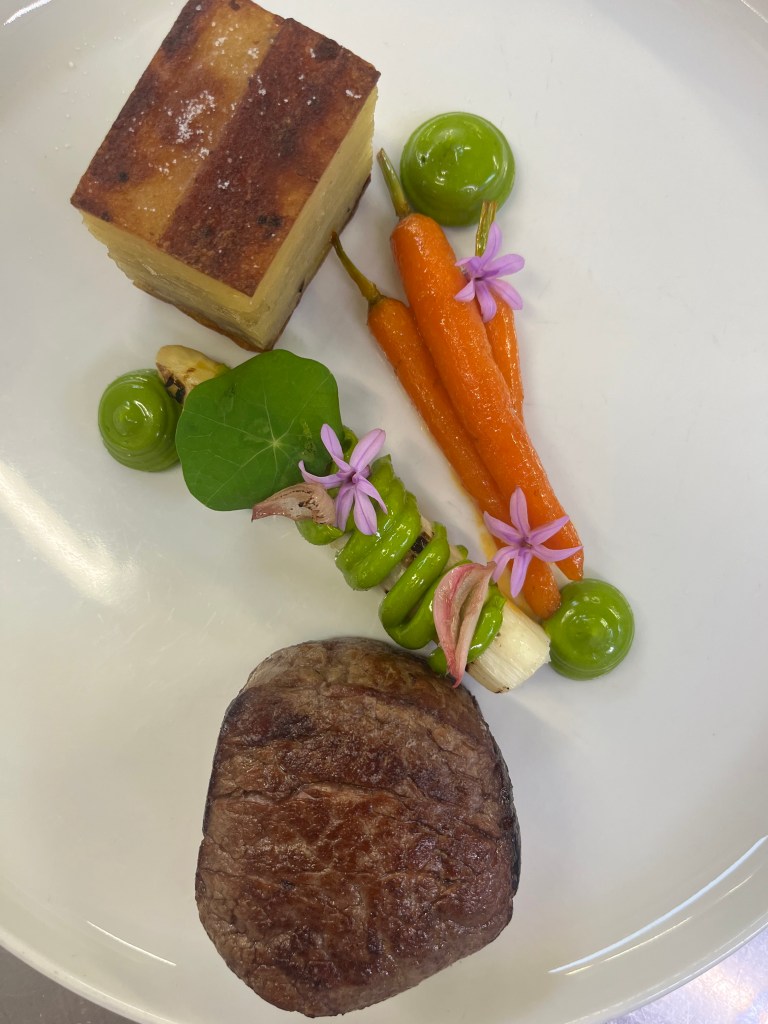
    This dedication was all worth it the following day when Ryan (Leith’s master of jus) concluded I had ‘nailed it’. I couldn’t have been more delighted. The feedback followed an incredibly intense kitchen session. We kept being told it was all revision of skills but, more accurately, it was simultaneous revision of about ten skills with even more elements to perfect and plate than last week’s celeriac dish. A beef fillet, cooked anywhere between medium and rare. The catch: we had to serve it whole and state how we had cooked it in advance of the teacher cutting into it. Potato terrine, sectioned into appropriate size portions and pan-fried for caramelisation top and bottom. There’s not much you can do about the seasoning of a terrine once assembled so that was another element we were serving somewhat blind (I hedged my bets with an extra sprinkling of the salt on top). A wild garlic emulsion – the wild garlic oil made first in the Thermomix and then drizzled slowly into the egg yolks in a magi mix before tasting and adjusting the seasoning. Baby vegetables in the form of carrots and white asparagus. Both required refined preparation and presentation and absolutely no over-cooking. Tender but still al dente was the aim. The carrots were sautéed in butter and then blanched in a carrot juice which was then reduced to a viscose shiny glaze. The asparagus, blanched and then chargrilled for service. Shallots, petals separated and doused in pickling liquor before blow-torching. And finally some micro herbs and flowers for attractive plating. All this whilst being reminded to keep on top of the mountains of washing up and the countdown to service time. I was really proud of my plating and feedback, but absolutely shattered!

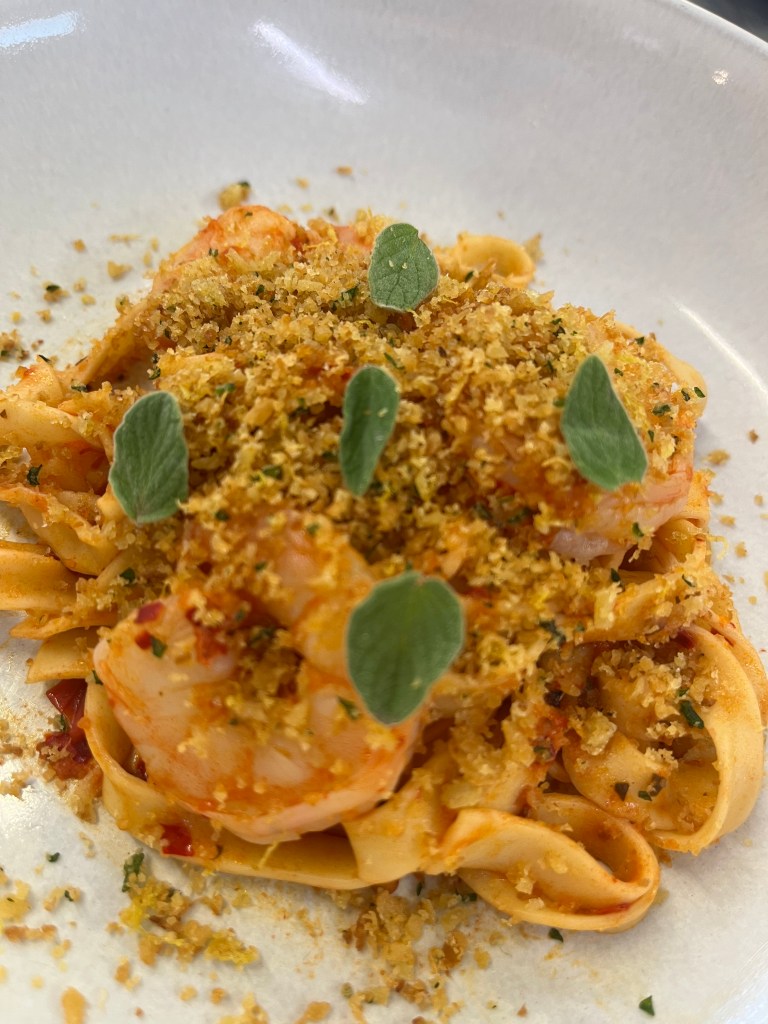
    That afternoon we were taught how to make croissants and kouign amann. Having only had 15 minutes for lunch when I woofed half the beef fillet dish, I found all the precise learning points a little overwhelming. Thankfully Caz always keeps things lively and entertaining including a hands-on go at rolling the croissant dough and finishing with tasters fresh from the oven. That evening I could have easily crashed out on the sofa but the following day was ‘creative pasta challenge’ so instead I revised pasta dough making, cutting and shaping and searched for pasta recipe inspiration. It is rare that we are given free rein in the kitchen so we were all a little nervous ahead of the session. In the end it turned out to be great fun and we were all clamouring for more similar opportunities. As we entered the kitchen, we were greeted with one of two trays containing four ingredients. My tray comprised ndjua, raw prawns, vine tomatoes and half a fennel. The other had peas, broad beans, ricotta and half a courgette. There was also a selection of larder ingredients and basics in the fridge. We had ten minutes to do some planning and then 90 minutes to cook, plate and serve. I made a nduja tomato sauce with prawns and oregano and a crumb from sourdough, garlic, lemon zest and oregano. A great end to the week and a delicious lunch for one.

    In addition to the yeasted layered pastries dem, we were also taught about making consommé. It is fascinating. Another one of those processes that you can’t fathom how someone came up with the idea. It involves creating a ‘raft’ of egg whites and shells with which to ‘clear’ a cloudy broth of its impurities to reveal a crystal clear highly flavoured liquid which you can show off in an appropriate bowl or cup and magnify and define ingredients suspended within it e.g. herbs, enoki, wontons etc. Absolutely stunning, but quite the faff!

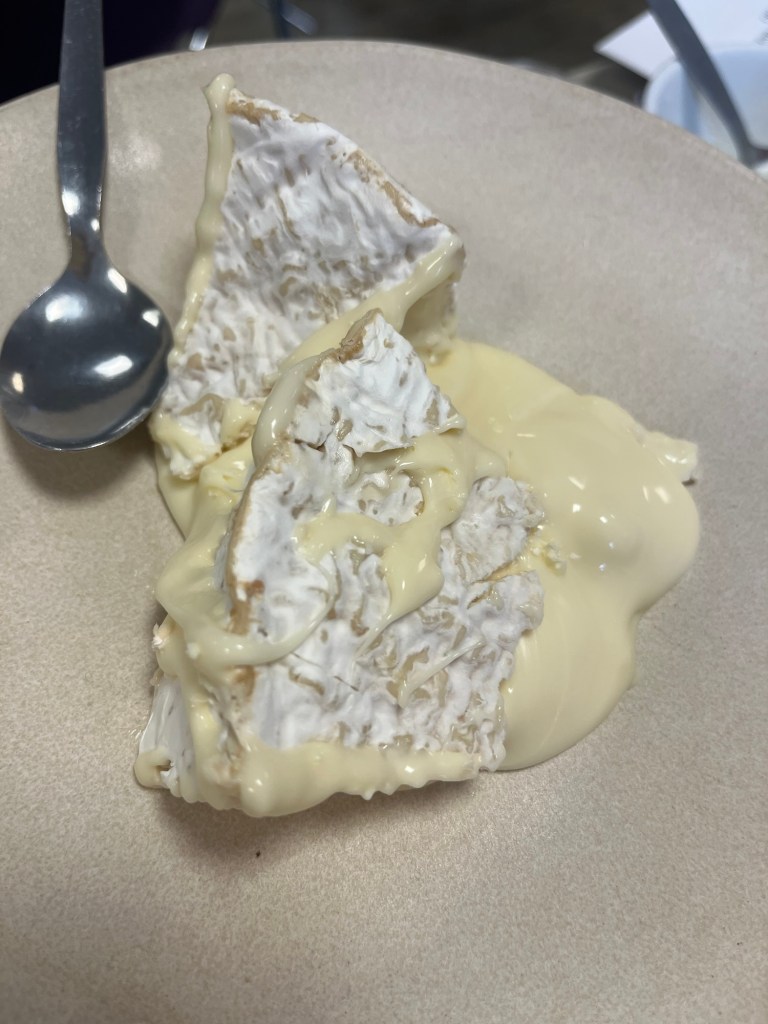
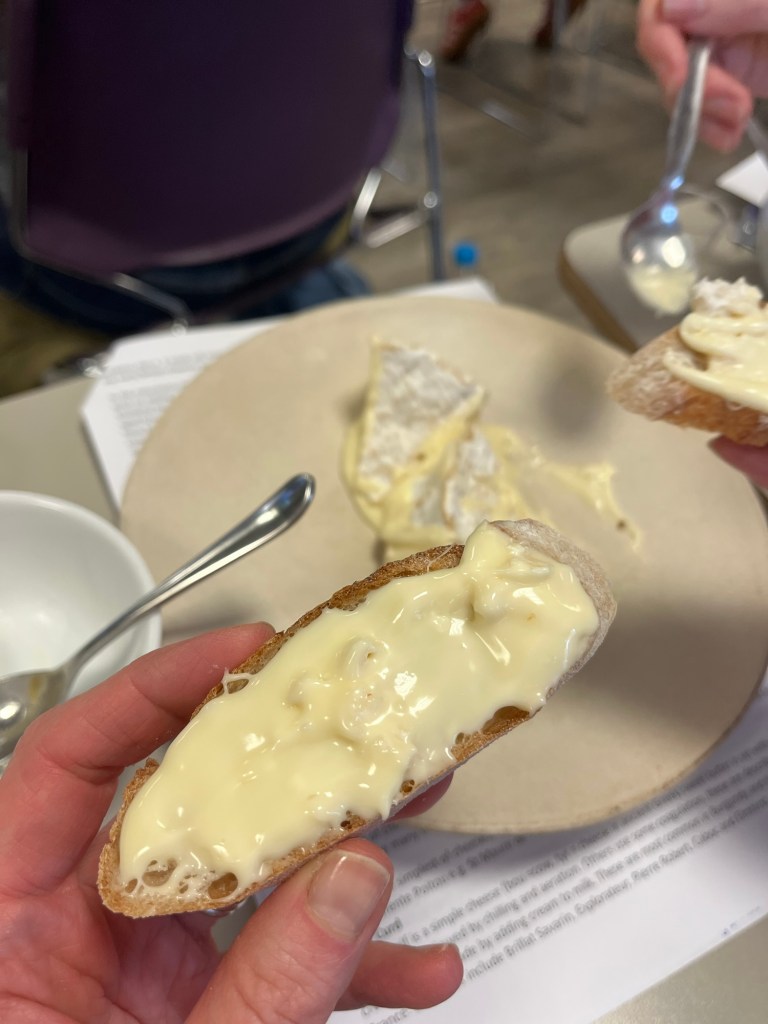
    We also had two excellent guest speakers this week: cheese expert, Tom Badcock and Natalia Middleton, Leith’s alumnus and now Head of Food Education at Food Behind Bars (FBB). Tom was absolutely fascinating, not just on cheese and how it is made but also its history. Thoroughly entertaining and some rather delicious cheeses to sample including a couple he made before our eyes. Food Behind Bars is a charity dedicated to transforming the food served in British prisons. Natalia provided us with an eye-opening insight into prison food. It is truly shocking that the budget per person in prison for all three meals in a day is just £3.12. It is mostly processed stodgy carbs being served at slightly odd times of day. Dinner is at around 4.30pm, at which the breakfast box for the following day is also dispatched. With such an early dinner time, many eat the breakfast box later that evening and then have to wait until 11/11.30 the following day for their next (stodgy carb) meal. FBB believe that nutritious and delicious food can make a difference in the knowledge, skills and wellbeing of prisoners and equip them to achieve a good quality of life on the outside together with easing some of the chronic issues on the inside.

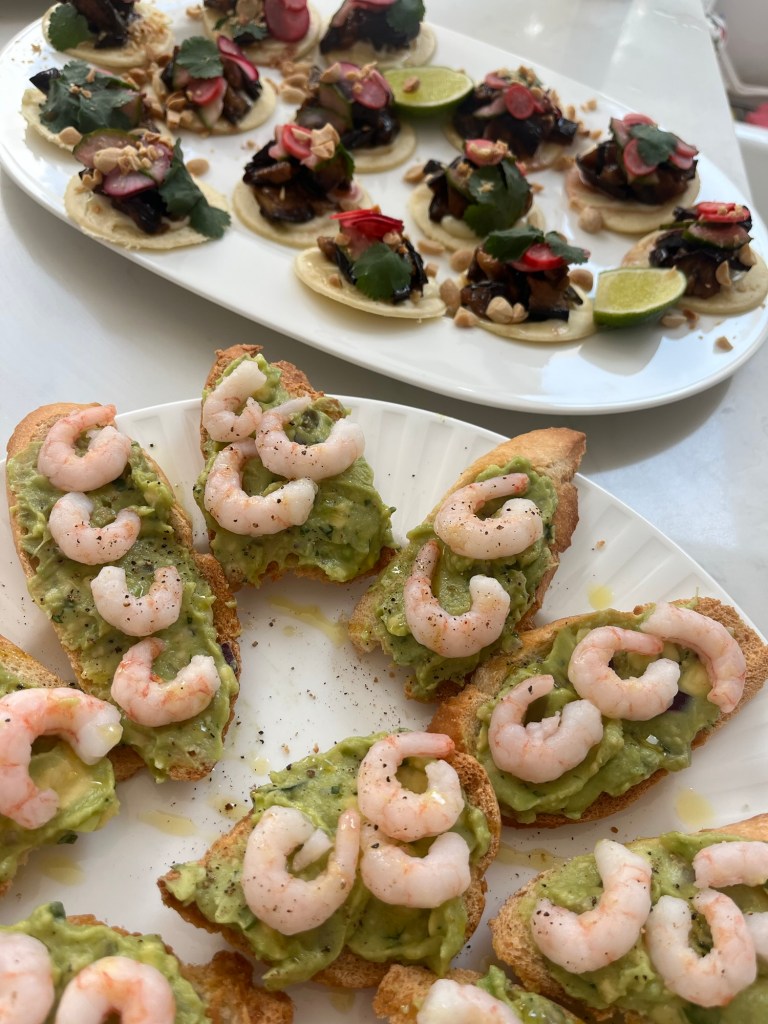
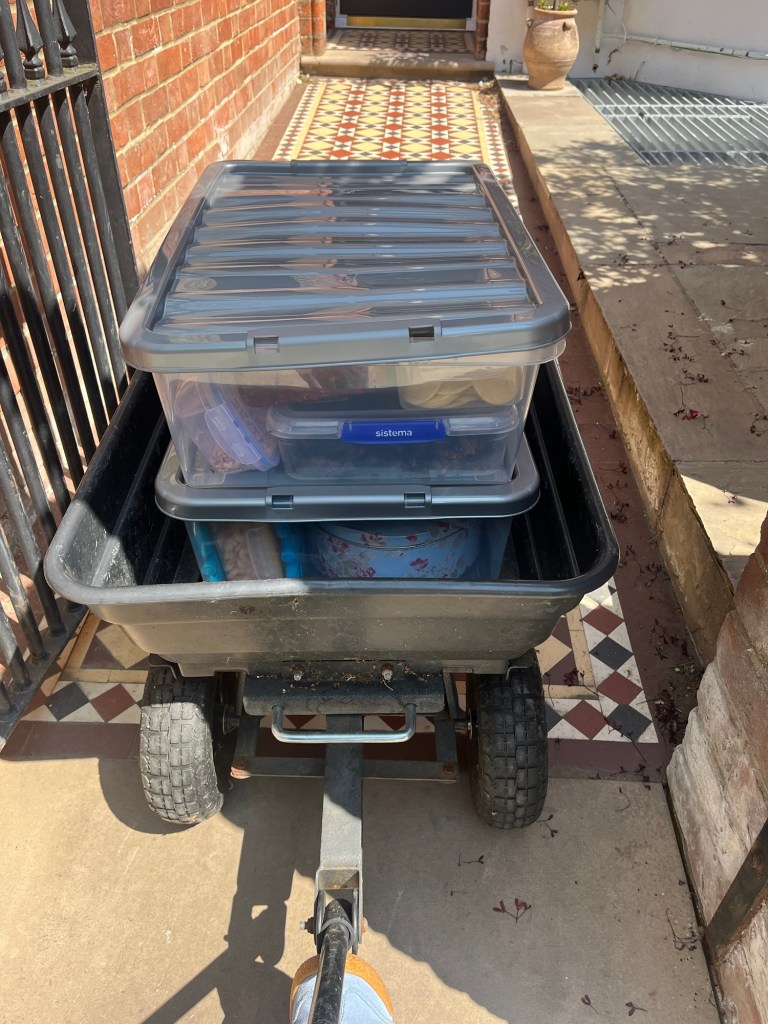
    Another truly varied week of eating, cooking and learning 🙂 And straight into a weekend of cooking canapés for a new client. Great fun – including delivering the food by trolley!

  • Necessity, arising from the tube strike, combined with a burst of beautiful spring sunshine has led me to change my commute to and from Leith’s. So long slow chug on the District line, hello bright and breezy walk along the Northcote Road, quick stint on the Mildmay line, and a final characterful trot through Shepherd’s Bush. I find the walk has a similar effect on me as swimming: it provides a space to think and dream making me feel full of hope and inspired. As I approach my last official day on Bank of England books, I continue to consider the sequence of events that has brought me to embarking on a ‘second life’ a somewhat hard-won blessing. Exactly what that new life will look like isn’t completely clear as yet but there’s an excitement in the opportunity of the unknown. Meanwhile, I still have 8 full and challenging weeks at Leith’s in which to stay grounded, fully harness my culinary skills and push myself in this safe little bubble.

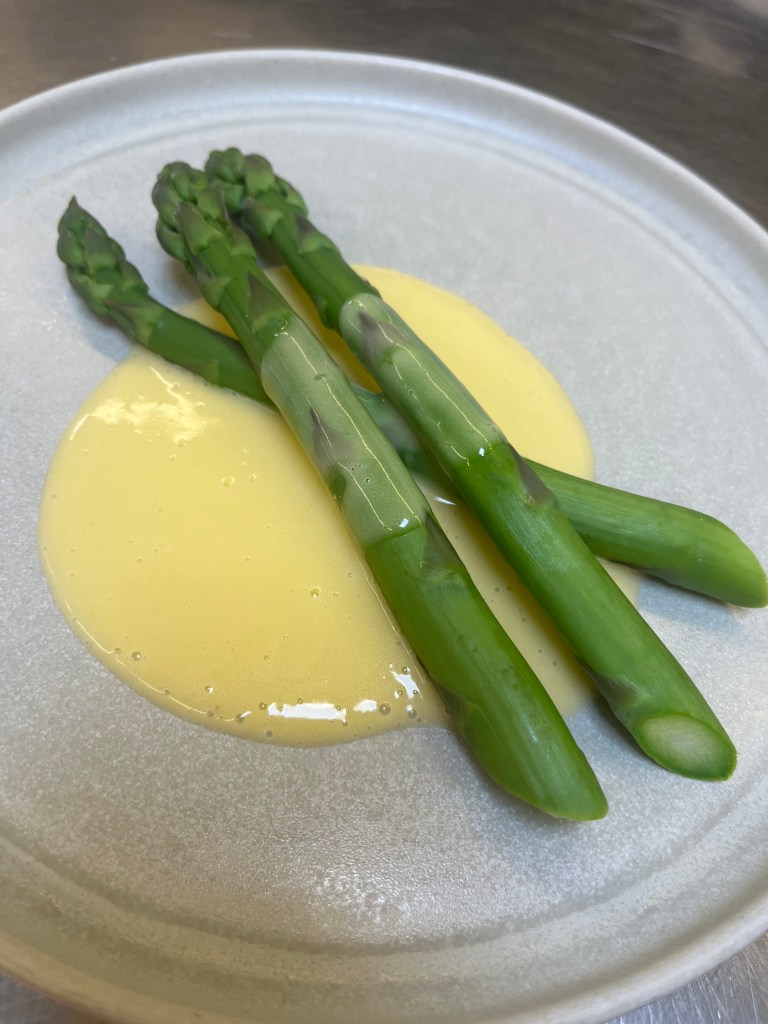
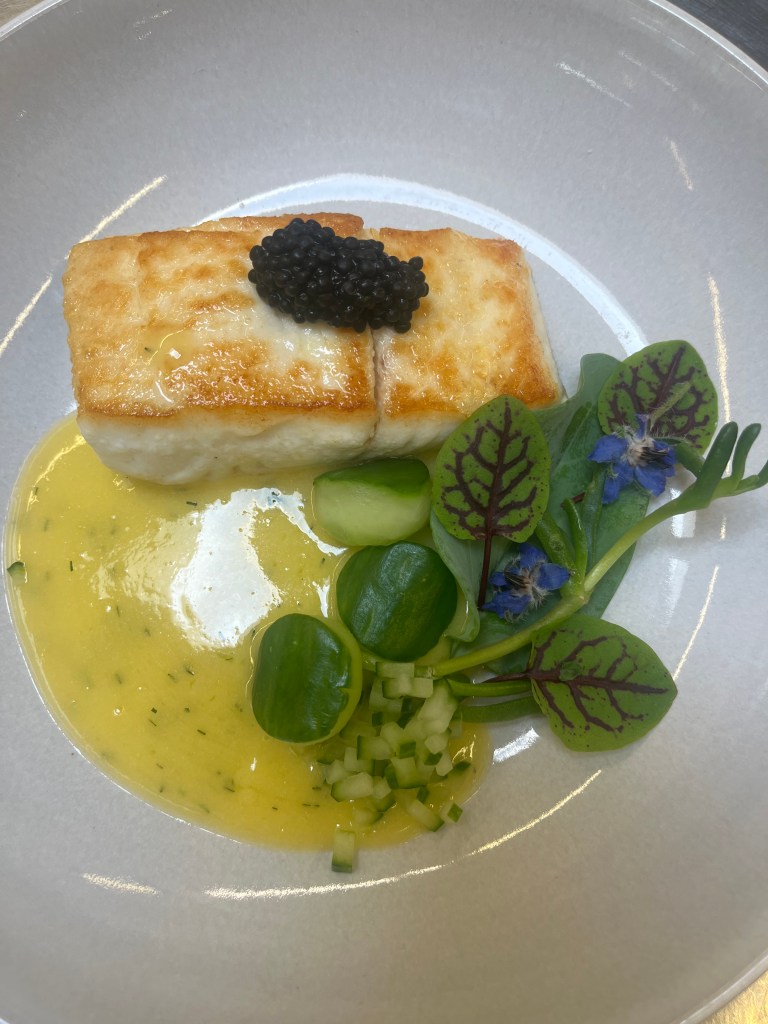
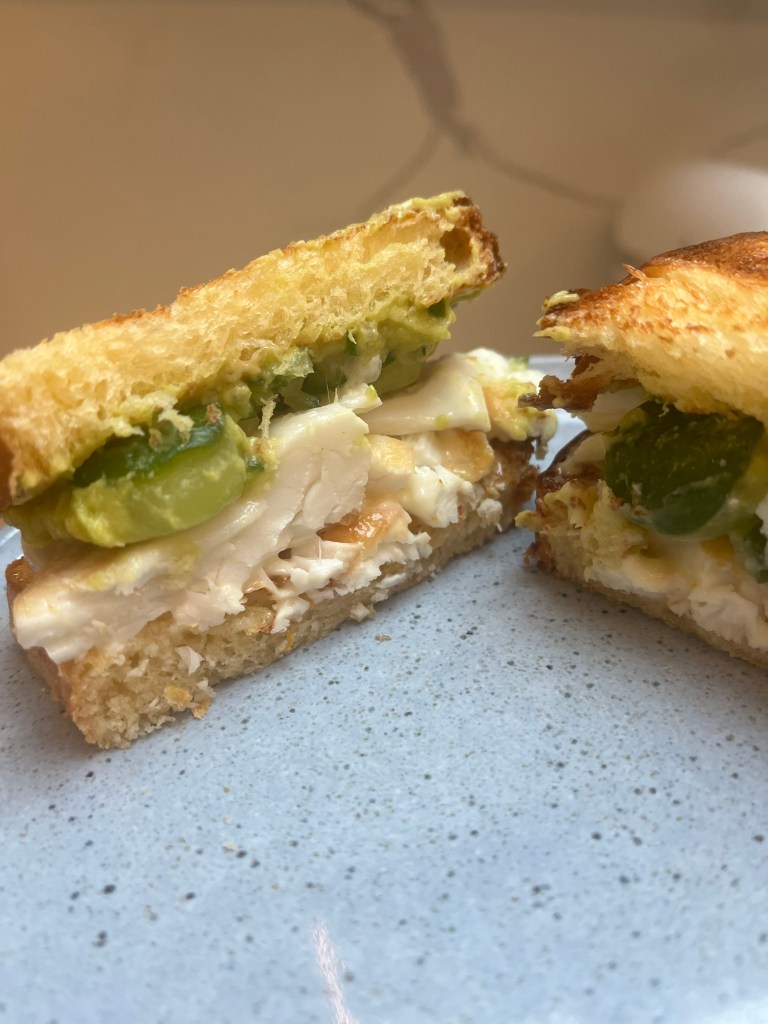
    Week 2 was certainly stretching with plenty of kitchen-based arm workouts and our first all day cook of the term. The week was book-ended by learning to make the perfect, un-split, non-greasy, well-seasoned beurre blanc. On the emulsion arm work-out scale, this one is probably the least offensive next to Hollandaise and mayonnaise. We made it twice on Monday, once for practice and second to serve with asparagus spears blanched to al dente. At the end of the week, we made a version flavoured delicately with cucumber seeds and served with a pan-fried halibut fillet – juicy, yet crisp – cucumber Parisienne (little globes) and petit brunoise, micro-herbs and caviar. Dinner that evening was the left-overs stuffed into two slices of the brioche we made on Tuesday – a rather upmarket fish (finger) sarnie.

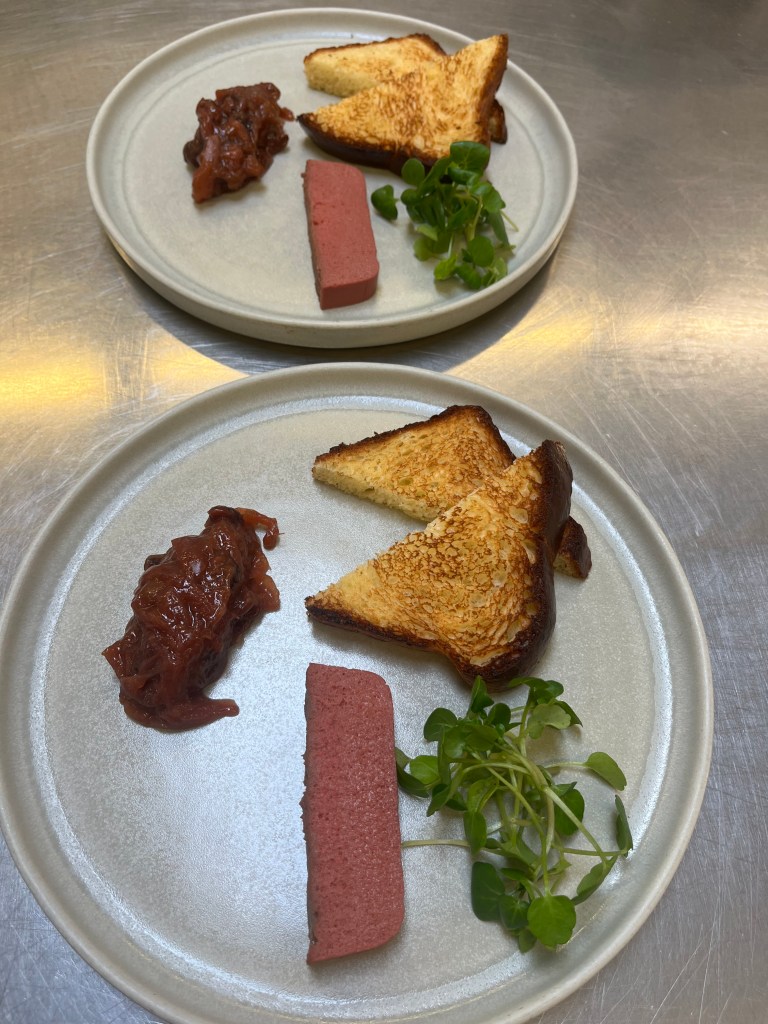
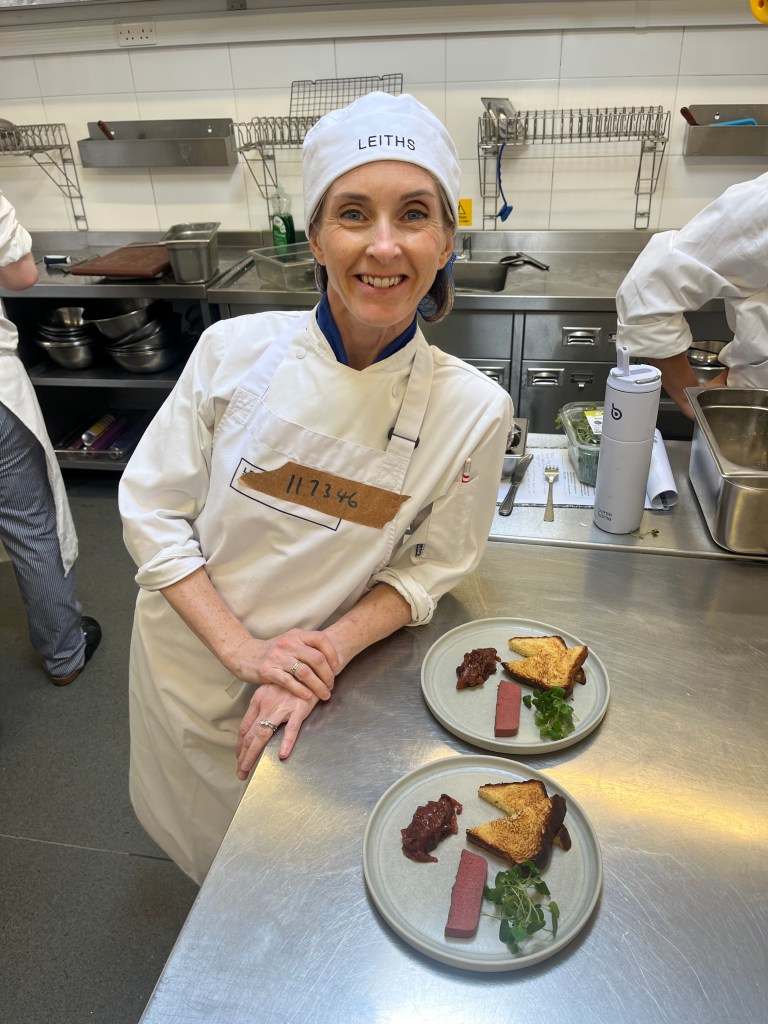
    Tuesday was a mise en place day i.e. prepping parts of recipes for later in the week. It was relatively chilled all be it contained the main arm work-out of the week: the making of the dough for the aforementioned brioche. This ‘fun’ little dough is made by using your fingers to continuously pound and pull the dough until you can stretch it up to your armpit before adding cubes of cold, yet pliable, butter one by one with a similar technique. The whole thing takes at least 25 minutes. But, of course, definitely worth it for the buttery, light, sweet and shiny loaf. We also prepared a chicken liver parfait and a gooseberry and raisin chutney: a classic trio which we would serve together the following day. Whizzing chicken livers in a Thermonix and dribbling in lashings of melted butter is not for the faint-hearted. Indeed, it certainly might affect your enjoyment of the finished article having been up close and personal with the process.

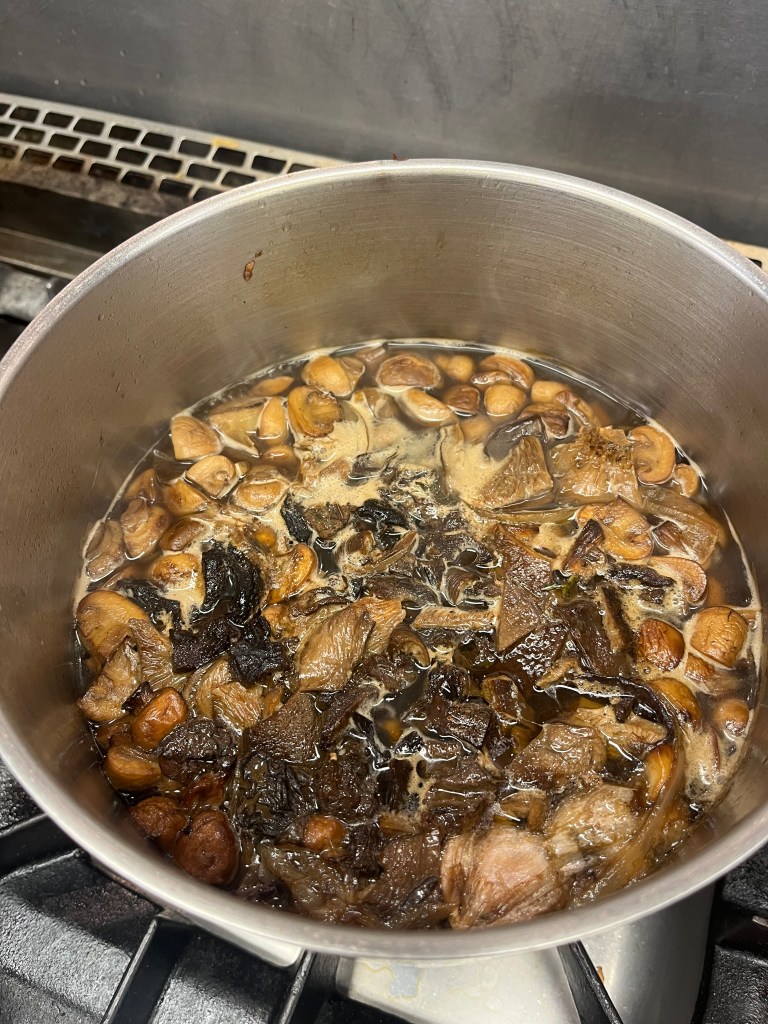
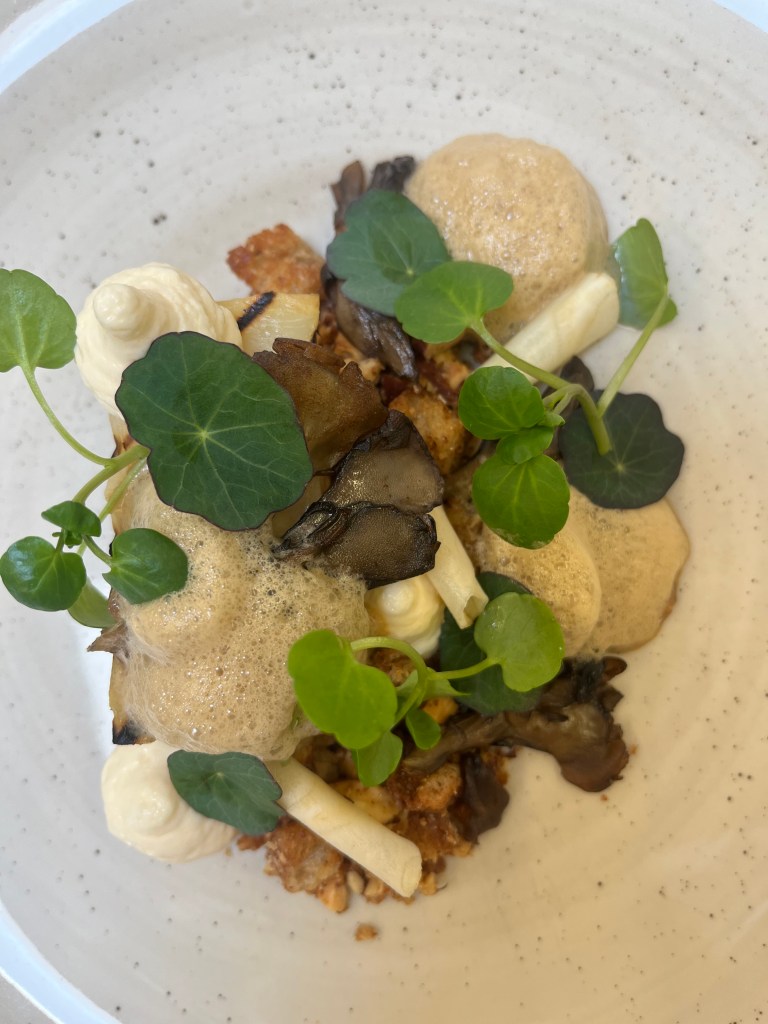
    Thursday marked our first all day cook of the term. As usual for an all day event, we had a lot on our literal plates. The show-stopper was a recipe we will keep in the vegan section of our culinary arsenal. Salt-baked celeriac, hen of the woods, smoked emulsion, mushroom foam and smoked almond migas. Lots of tasks and plenty of washing up. First up was caramelising 1kg of mushrooms across four pans ahead of assembling the stock for the foam. Then, on to forming a quick salt dough within which to encase our celeriac for baking. Migas is essentially a fancy word for a crumb. This one containing whole smoked almonds and cubes of sourdough fried in butter and roughly chopped for the textured element of the dish. A vegan emulsion is a dream to make compared to its egg-based cousin, mayonnaise. Oil and soy milk in a jug, insert a stick blender and boom you’ve made an emulsion. This one was made delicious by the inclusion of smoked oil. Once the mushrooms had cooked for a couple of hours, we reduced the strained liquid to create a deeply umami ‘jus’. When cool, we added soy milk, applied the stick blender, this time to create a foam. The final two elements were a pickled celeriac and pan-fried hen of the woods mushrooms. Just prior to service, a rectangle of the baked celeriac was placed on a hot griddle and carefully turned to achieve continuous char marks. Along with the various micro-herbs, I think this is the highest number of things we’ve had to present on a plate. Not surprising then that I called service having forgotten the pickle – I had to roll it up like a mini cigar to squeeze it on.

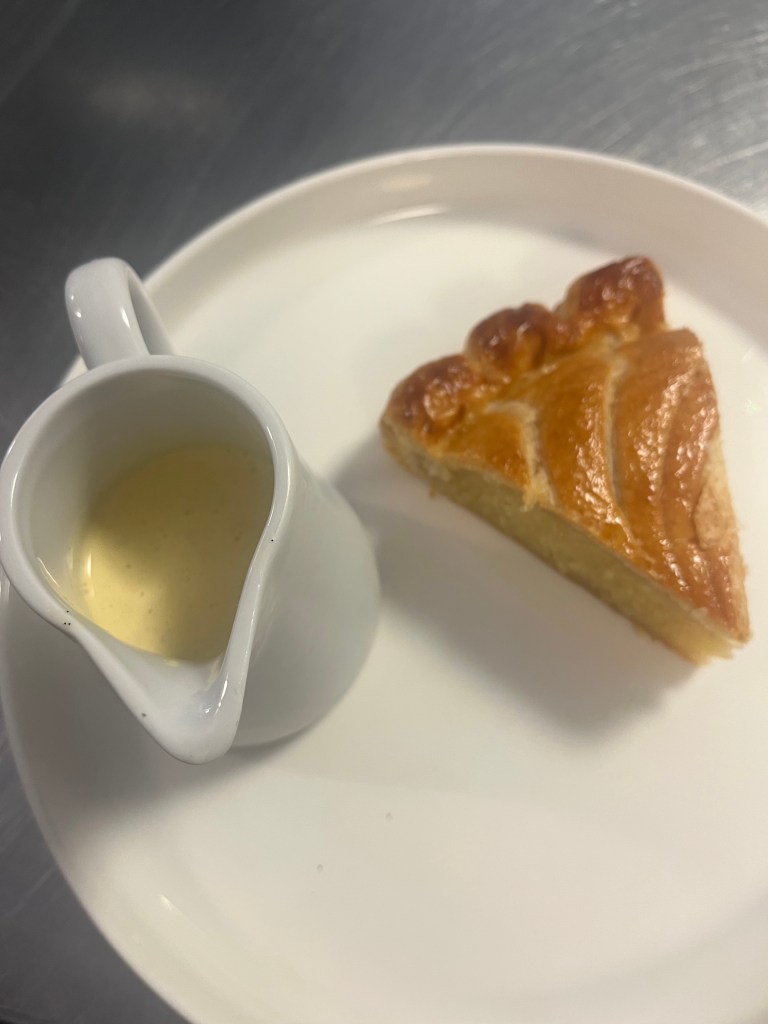
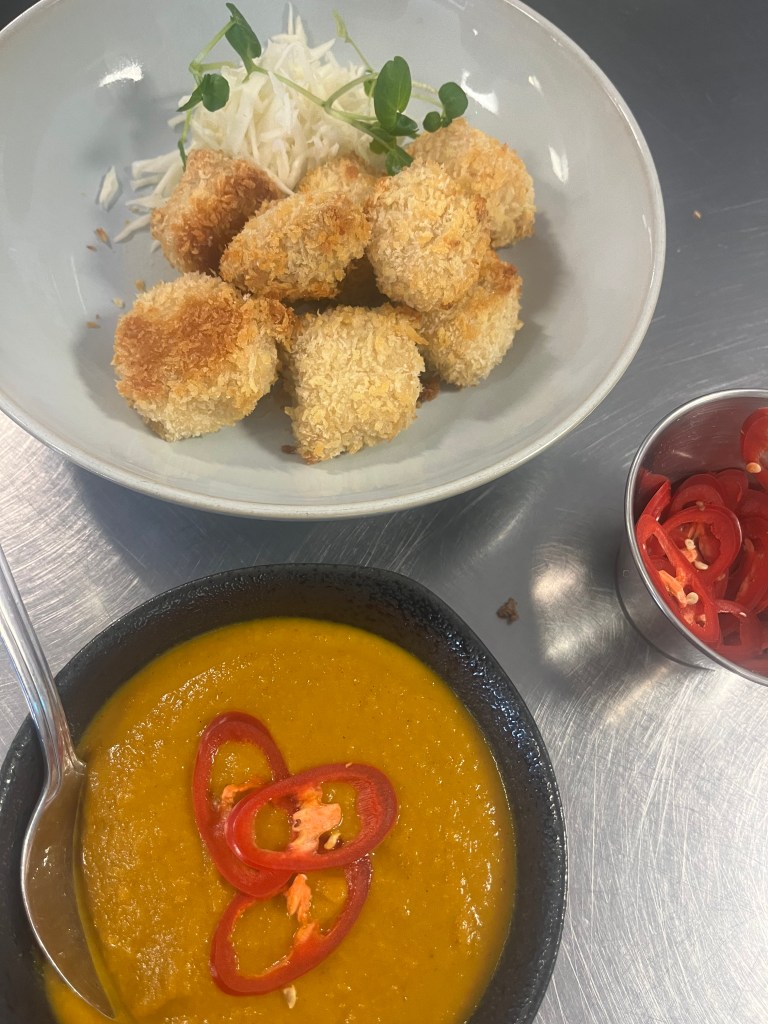
    Alongside pates and confit, and our last fish dem of the course, the two stand-out dems of the week were: puff pastry technique and the making of Gateaux Pithivier (a melt in the mouth combination of puff pastry and almond frangipane) served with little jugs of creme anglais to drizzle or douse depending on taste (and greed!). And second, Leith’s alumni Craig Morrison who has become an instagram sensation for his flexitarian eating approach and creative highly flavourful vegan food. He imparted tons of useful advice about recipe writing, success on instagram and filming content. Plus cooked up some delicious vegan dishes including a katsu curry with tofu, crispy mushroom dumplings with a crispy skirt (look it up!) and my personal favourite, smoky red pepper butter beans with leeks and grapenuts.

    Another brilliant week done! The new walking regime is lovely, but alongside standing in the kitchen for at least 3 hours every day, is rather tiring. Early nights for me for the foreseeable, and no doubt I’ll be dreaming of food 🙂
  • Two words to describe advanced term at the end of week one: complexity, refinement. The tone was set by the head of school on our first day back: the final term will require all our energy, commitment and focus if we are to achieve our potential. In the kitchens, the complexity of the recipes has ramped up with a considerable number of skills both newly and previously learnt to be executed with precision. Alongside the ratcheting up in difficulty, the teachers are pushing for us to work more quickly and efficiently with punchier service times. And to add to the vibe of producing fine dining restaurant quality food, the kitchens have been completely rearranged over the Easter break so they are more akin to a professional kitchen. Gone are our own drawers with the utensils close to hand, and the bowls, jugs and juicers within easy reach under our benches. Everything has a new home somewhere in the kitchen. Every day is like a treasure hunt as we figure out the new configuration.

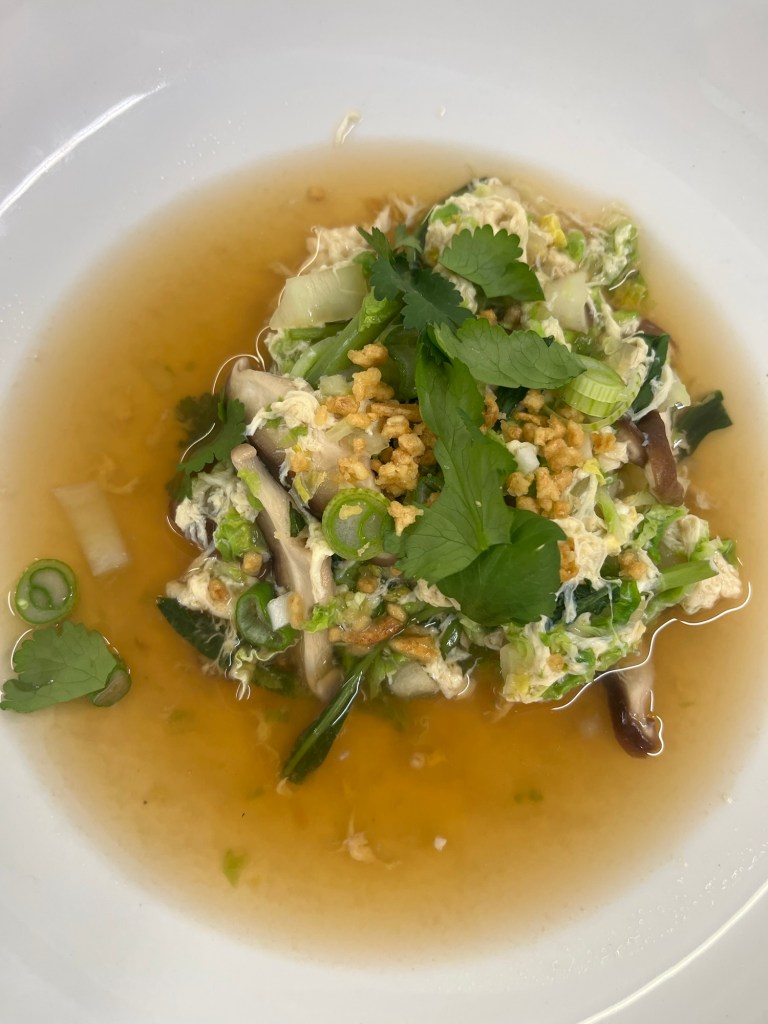
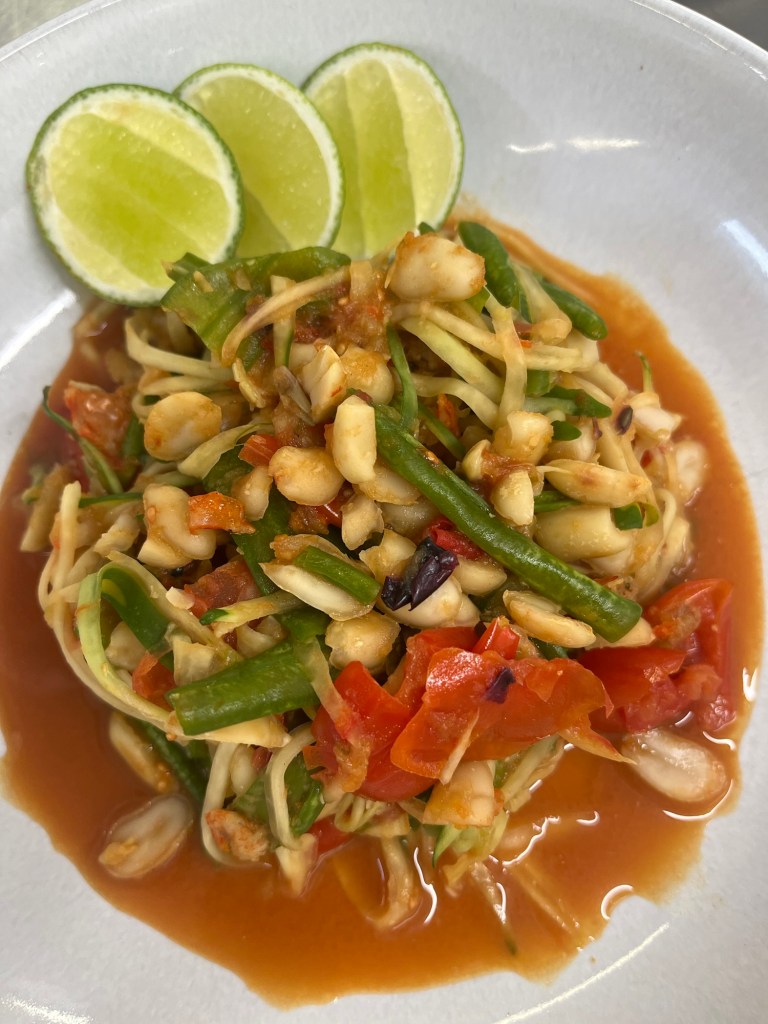
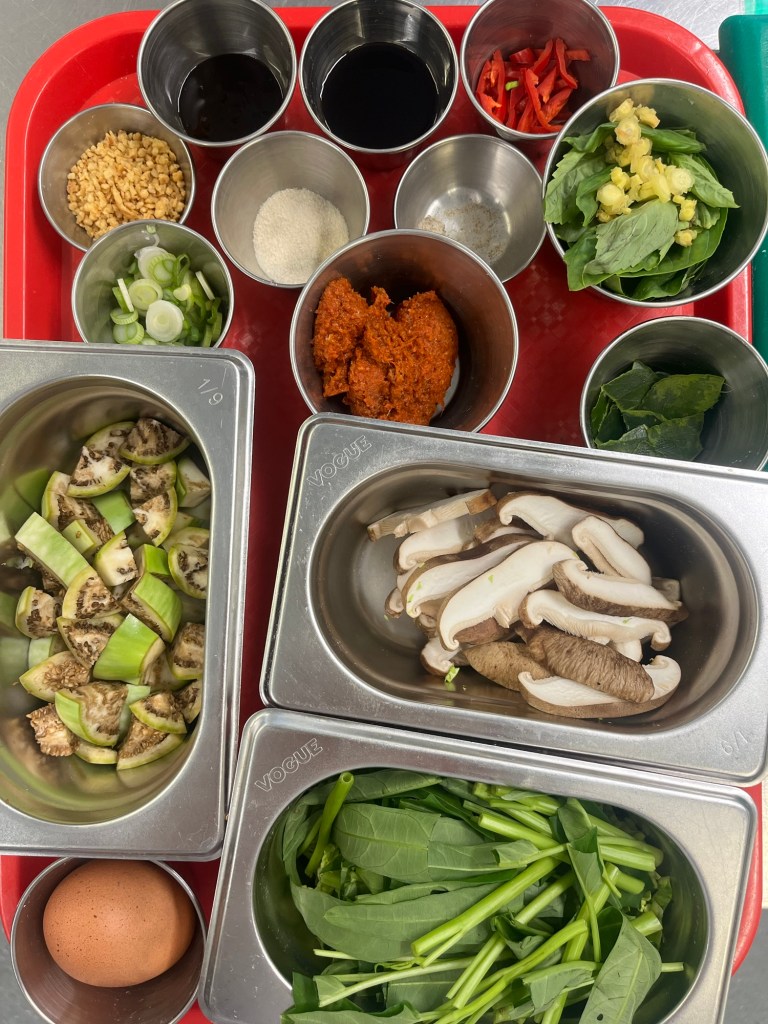
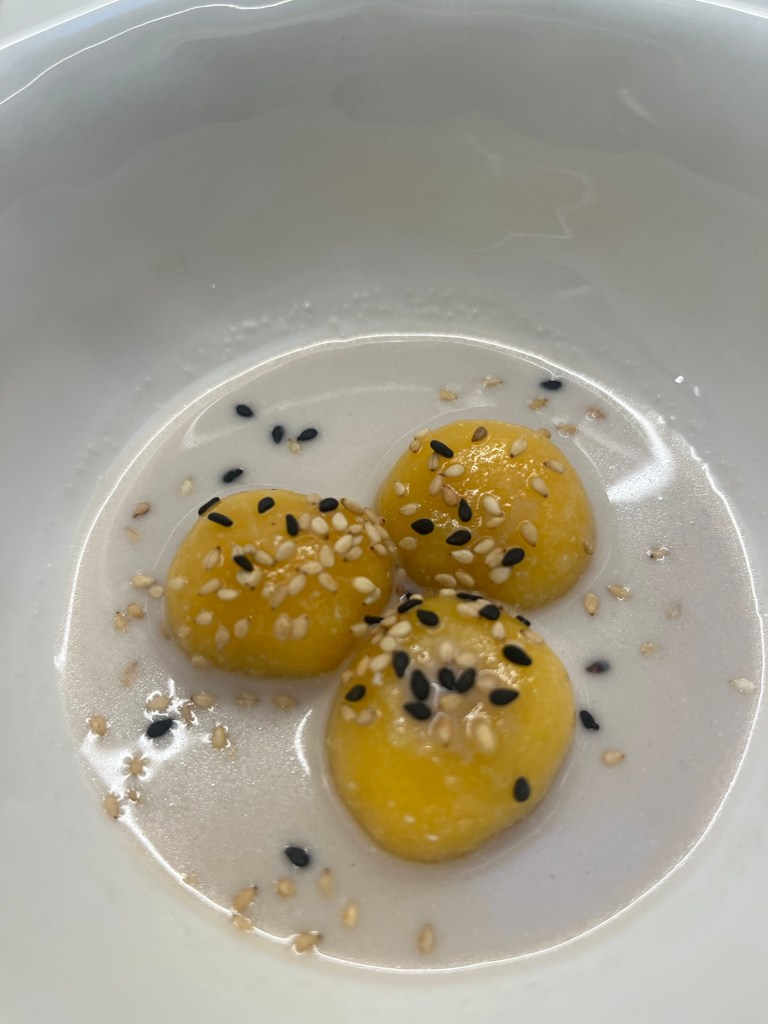
    But what about the food, I hear you ask! For week one there were a range of delicious recipes and cuisines starting with Thai. Day one was an all day group cooking exercise recreating dishes shown to us by Andy Oliver from Som Saa at the end of last term. A simple soup of greens and shiitake with an egg dropped in just as the soup boils to create strings of cooked egg amongst the clear broth. Incredibly comforting – this is what you need at the end of a tough day. Next, a green papaya salad Bangkok style. This was prepared in a Thai pestle and mortar – high-sided and deep with a rolling pin sized pestle with which to muddle and bruise. For main course, Som Saa’s famous crispy fish green curry with Thai aubergines and wild ginger. Served with jasmine rice, it was the perfect balance of salty, sweet, spicy and tangy. We made the base of the curry from our own coconut cream which required some muscle work to crack into coconuts and separate the flesh from the hairy shell. To finish, we created delicious baby dumplings from a squash purée dough, poached in water with a pandan leaf and then warmed through and served with more of the coconut cream flavoured with sea salt and sugar. Each dumpling encase a surprise nugget of palm sugar which oozed into the cream on eating.
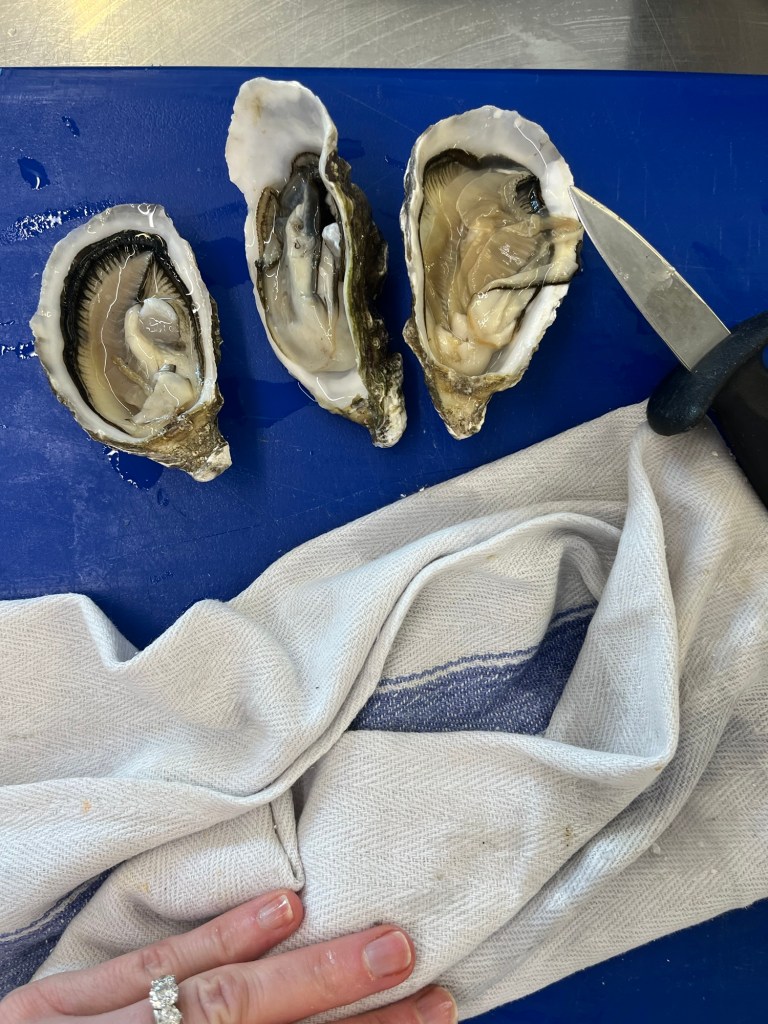
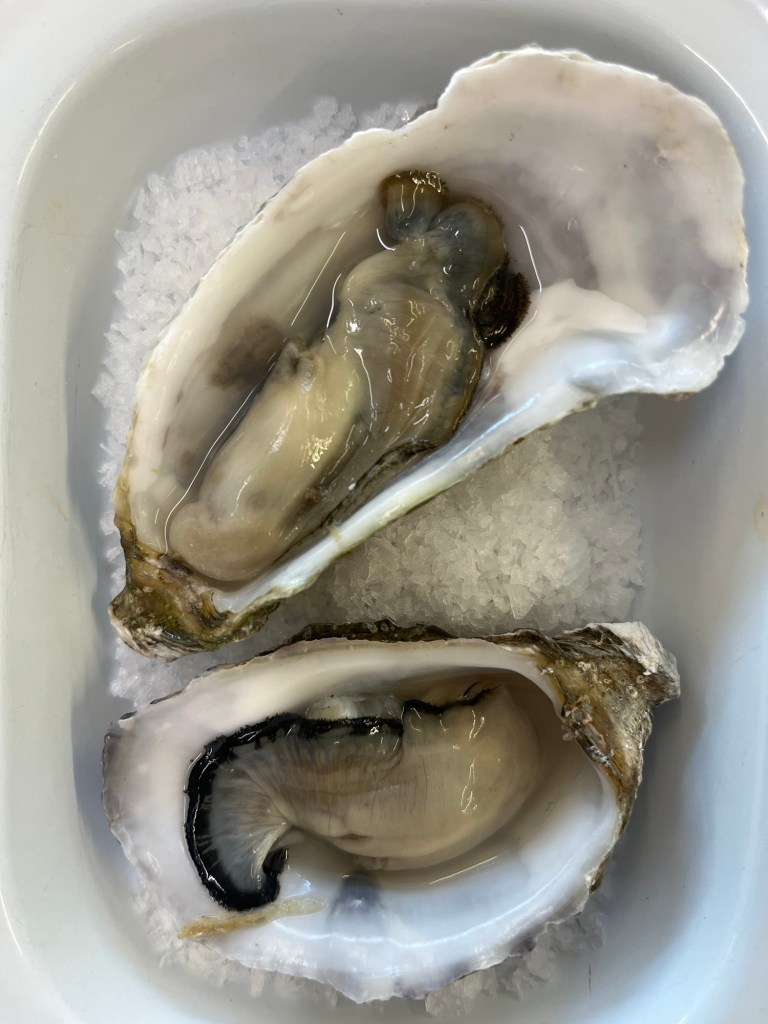
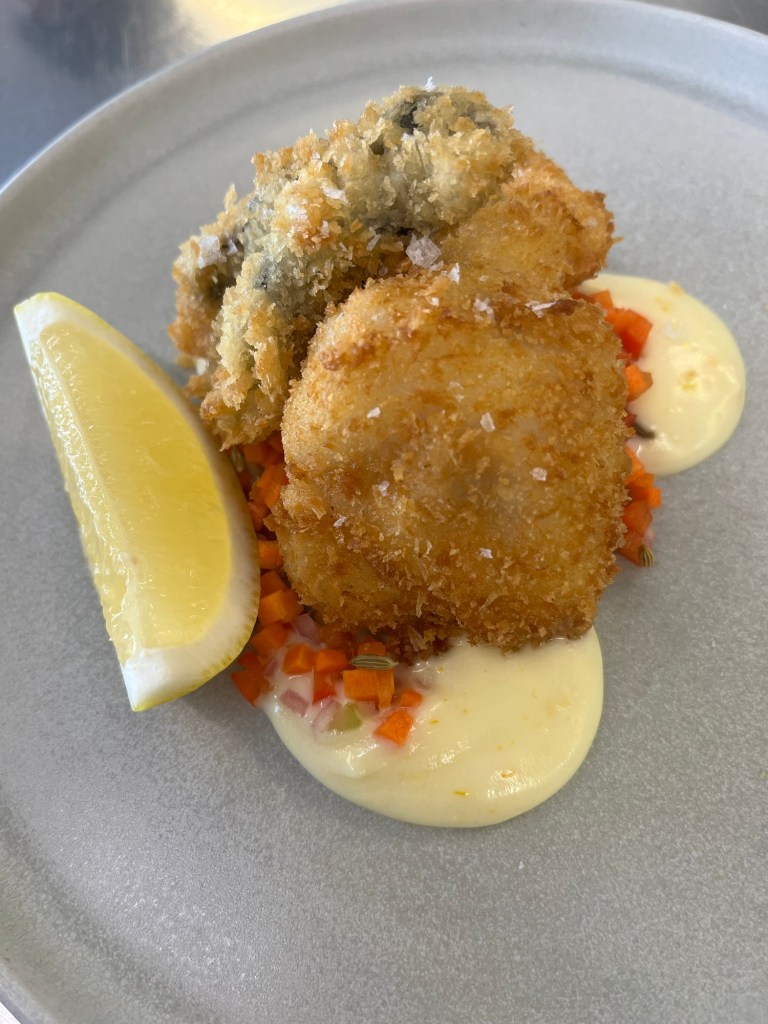
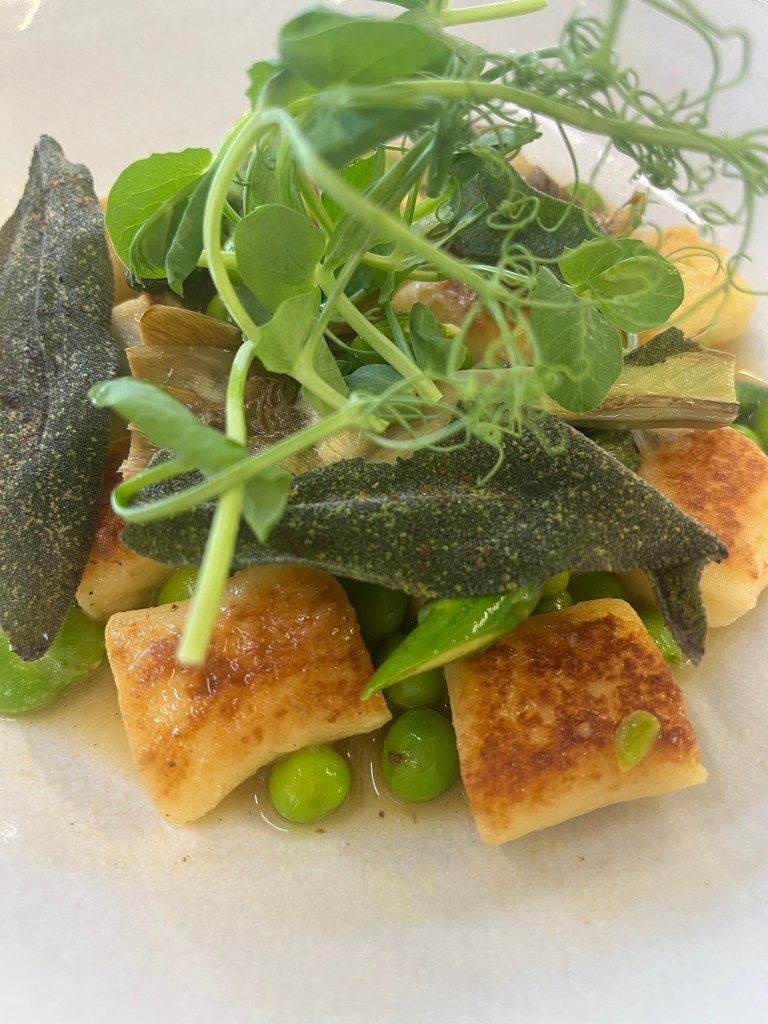
    On day two we got to grips with oyster shucking. An instructive in-kitchen dem and we were away serving them on a deep bed of sea salt and a twist of lemon. But, of course, this wasn’t all we had to do. We also prepared cod cheeks, pane’d and deep-fried them. They were served alongside a citrus mayonnaise (made by machine, not hand, woohoo!) and a sharp and crunchy pickled veg salad with fennel and chilli. It made for a holiday-worthy lunch in the spring sunshine. In the afternoon, we had a ‘vegetable-led’ dem. Grace cooked us pillowy soft and light potato gnocchi with braised artichokes, asparagus and freshly podded peas and broad beans: spring on a plate. The following day we recreated it ourselves including braising the artichokes. Quite a bit of effort is required to get to the tasty heart of the flower and ensure they don’t lose their vibrant colour (acidulated water is a must).

    The most complex dems of the week were the salt-baked celeriac, with hen of the woods, smoked emulsion, mushroom foam and smoked almond migas; and the beef fillet with red wine jus, potato terrine, wild garlic emulsion, baby carrots and white asparagus. An abundance of technical skills and it was these recipes which really gave me the signal of the change in level for advanced term. We’ll be taking our turn at the celeriac and accompanying foams and emulsions next week. But before that, our final cook of week one was a very beige dish of sweetbreads (the pancreas of a veal), Madeira jus and pommes purée. The latter is more refined than simple mash. The French-named version is made by scooping out the flesh of baked potatoes (rather than boiled), passing through a sieve before emulsifying with warm butter, cream and milk. The baked potato can absorb more of the unctuous dairy mix than boiled potatoes resulting in a richer, smoother finish. Sweetbreads aren’t my cup of tea but it was good to learn how to prepare and cook them; plus continue to elevate our jus-making skills with a Marco Pierre-White recipe.

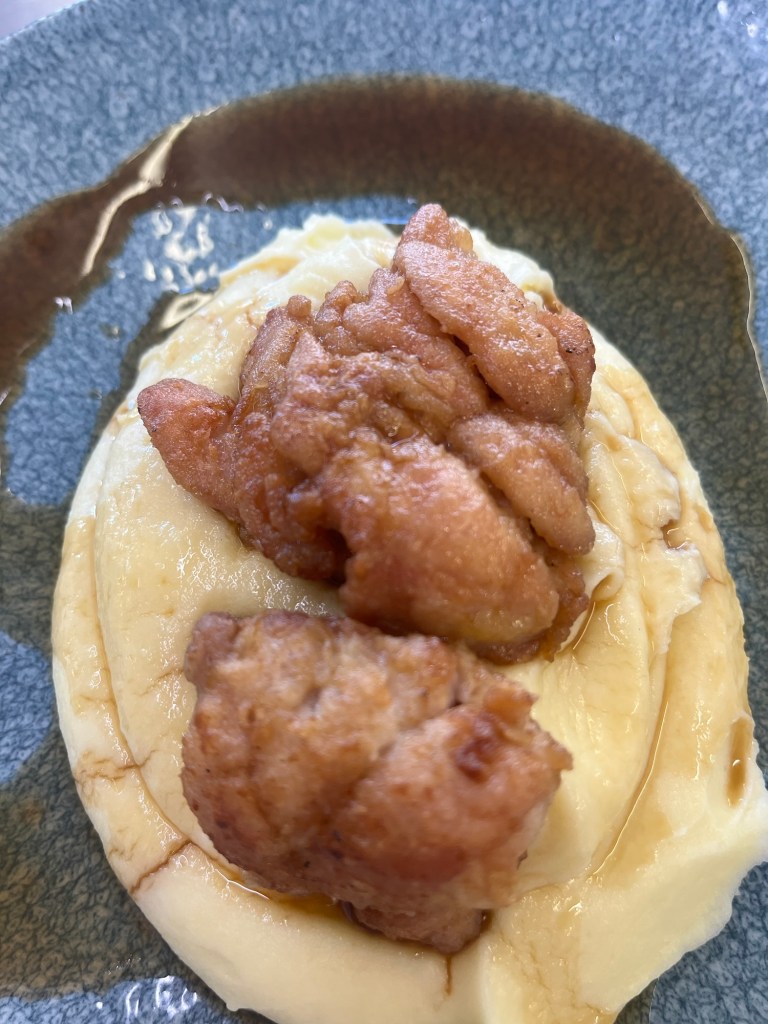
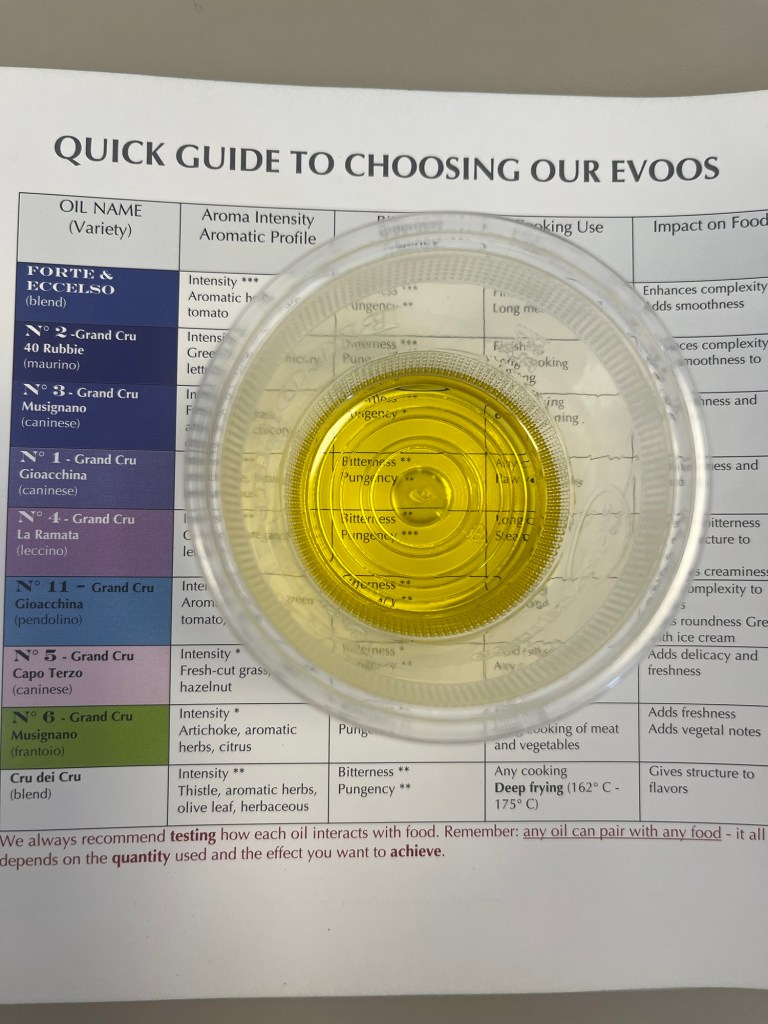
    The week ended with an extra virgin olive oil tasting. Our guide, Paolo, was a delight and an inspiration. Having been a consultant corporate strategist all his life, he and his wife chose to retire to Italy in a Roman villa of their own design and making. The grounds of said villa were blessed with olive trees and at some point those trees became acres and a big business. Sadly, his wife died but the memory of her is kept alive in the name of the business: I&P – Ianna (her name) and Paolo (his). Paolo taught us how to make olive oil by hissing through our teeth to ensure even distribution across our taste buds. Much coughing ensured but not enough to mar the fruity, peppery flavour. Paolo informed us he was somewhere between 80 and 90. He looked fantastic which he assured us was down to drinking a spoonful of extra virgin every day on waking. Simple as that! Remove your bottle from the kitchen and pop it on your bedside table for a long and prosperous life.